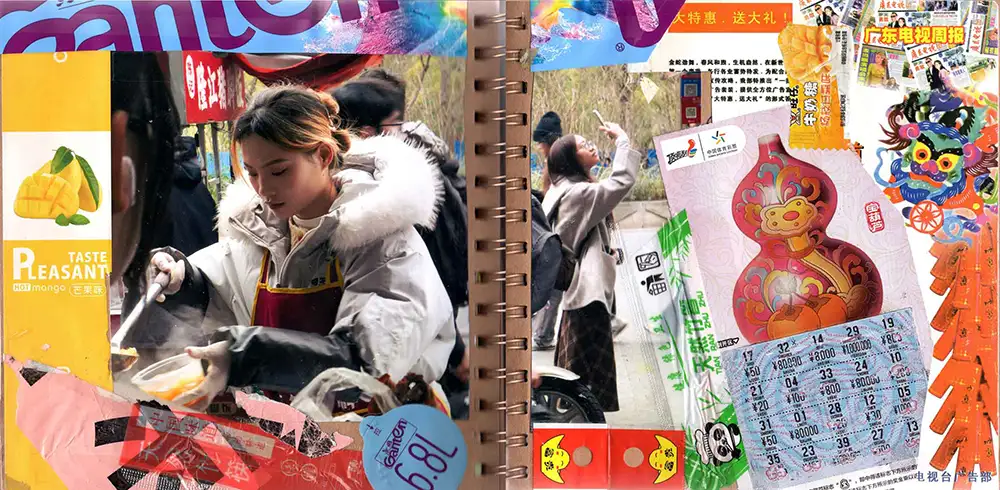
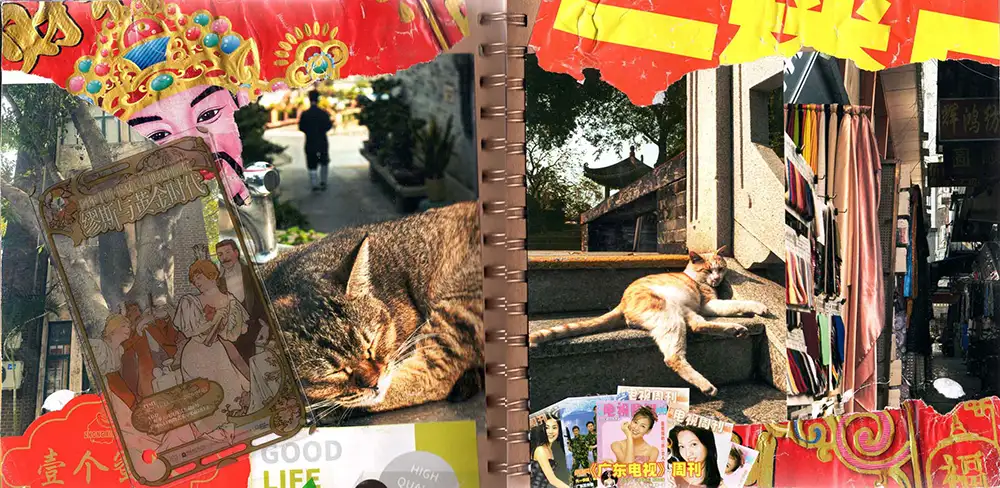
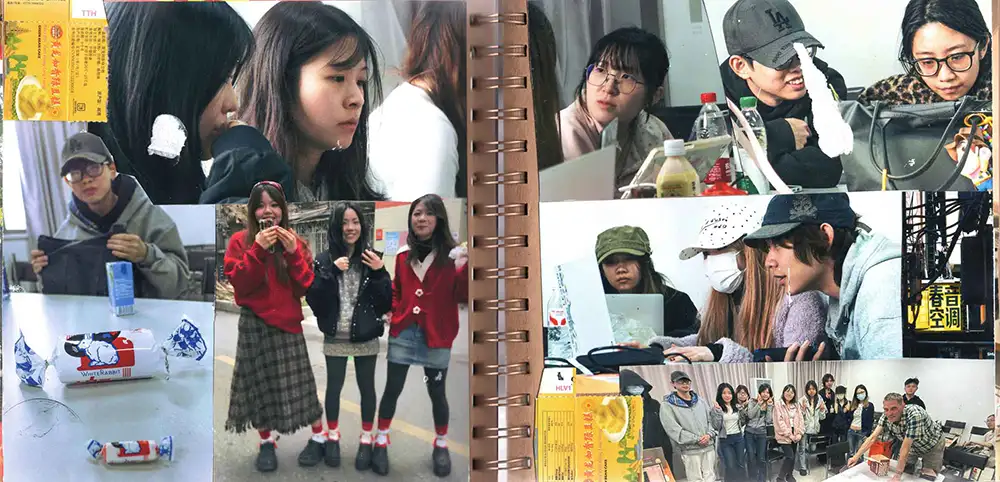
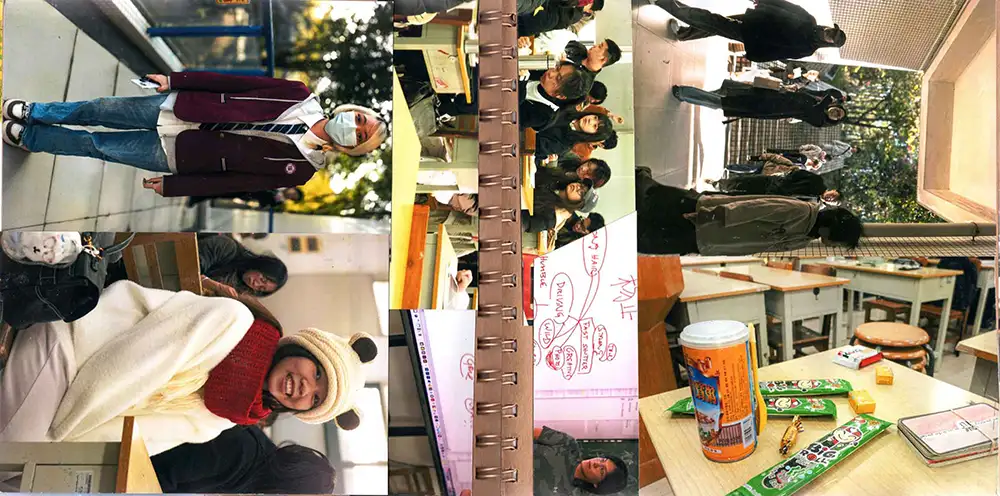
In this job as a graphic designer, I usually spend my day solving problems that aren’t mine until they become mine. My clients come to me for how I solve their problems: consistently, dependably, with experience. I am a Kraut ticking off all German clichés: uncanny, honest but efficient, ruthlessly on time, dryly unfunny.
I wonder sometimes if this is really my work, or am I just executing my client’s vision? You hired me for my time and skill, and you wanted my judgment. Yet, if I’m reduced to being just your fixer, if a client says, “do this, it’s your job,” or, as a cringe-worthy intern’s resume once put it, “Photoshop warrior”, I’d feel underappreciated and walk away.
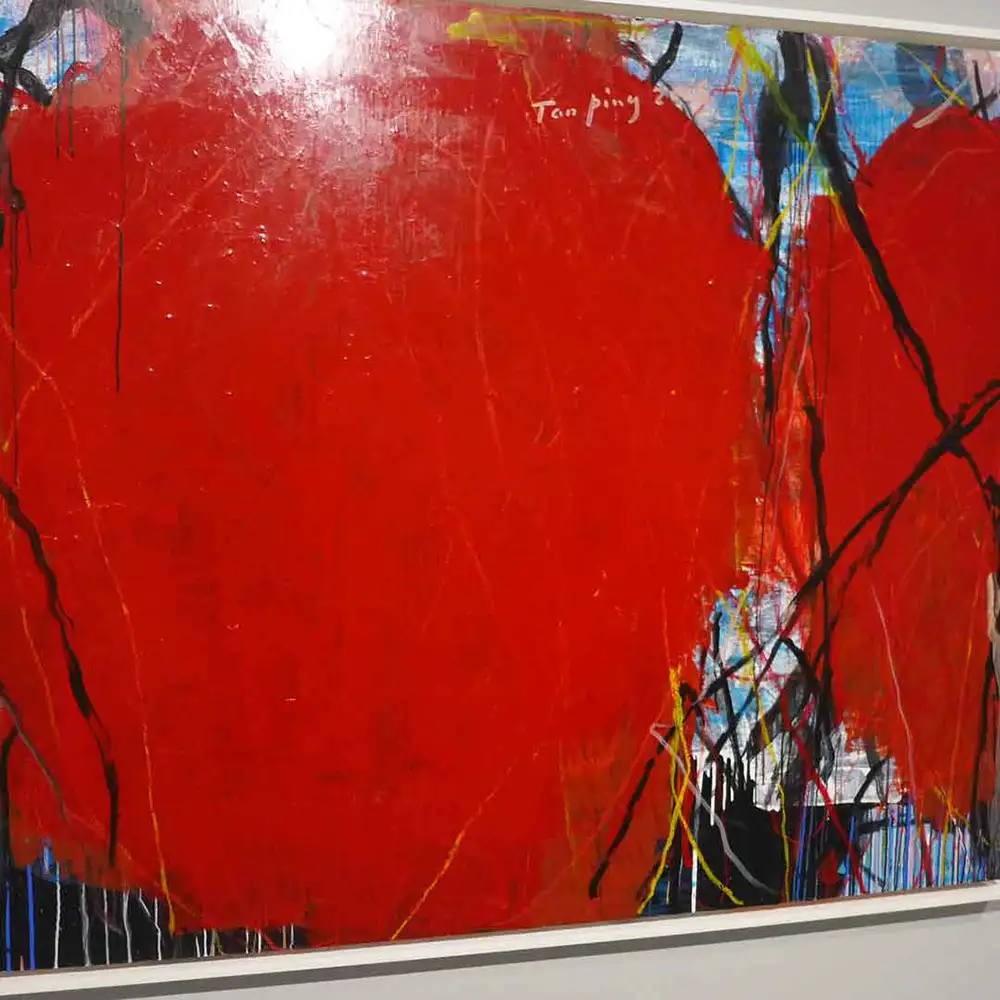
Maybe graphic design is a service? A slicker version of a copy shop, in the lineage of Renaissance masters who hired apprentices to finish their paintings in series, or silkscreened soup cans in a ‘Factory’, are we artists, artisans, or laborers? Somewhere in there, designers get caught in a perpetual reproduction machine of style guides, remixing the signs of our times.
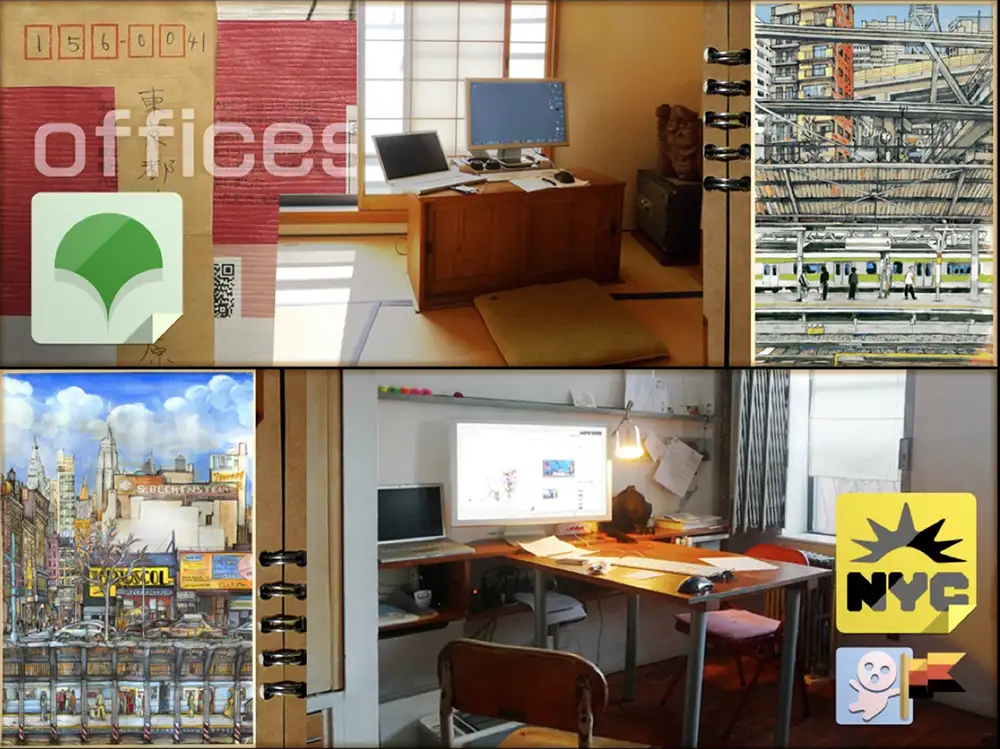
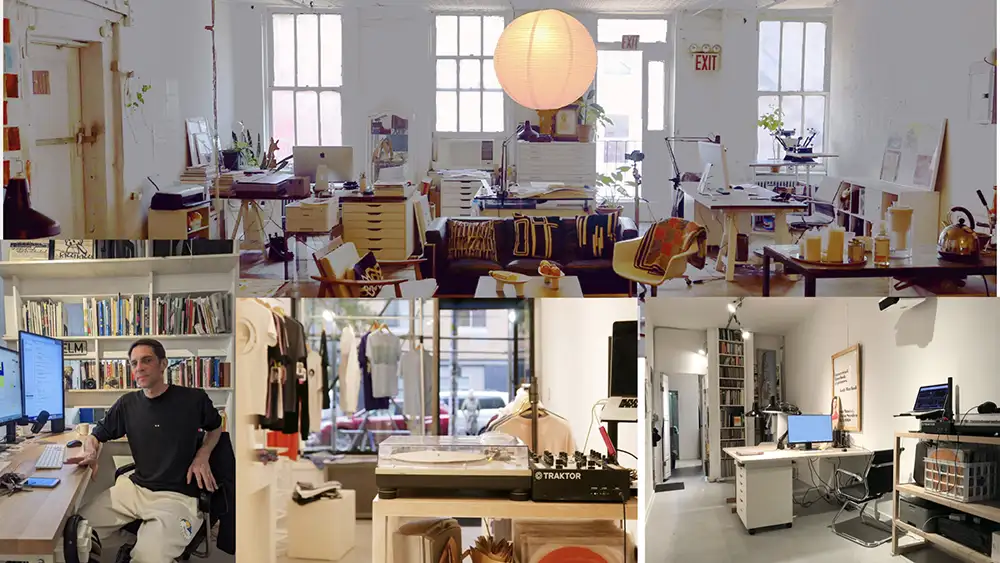
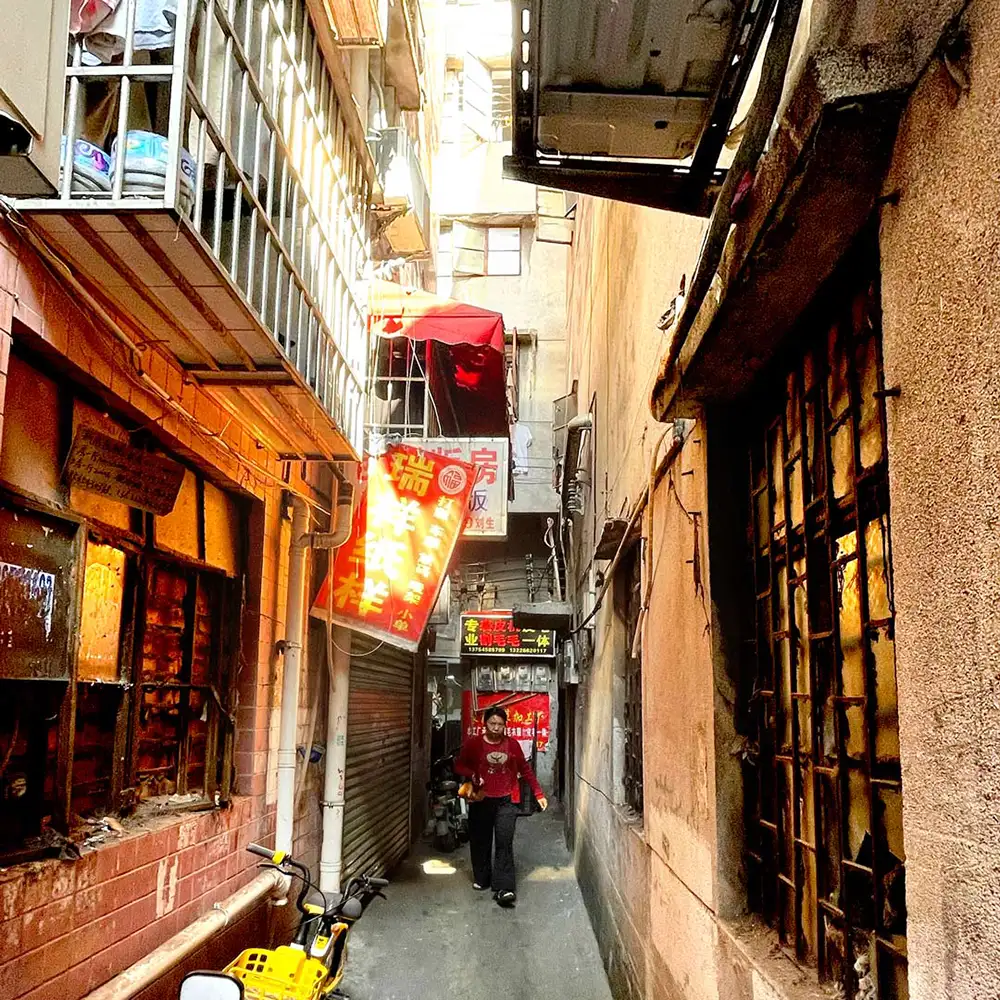
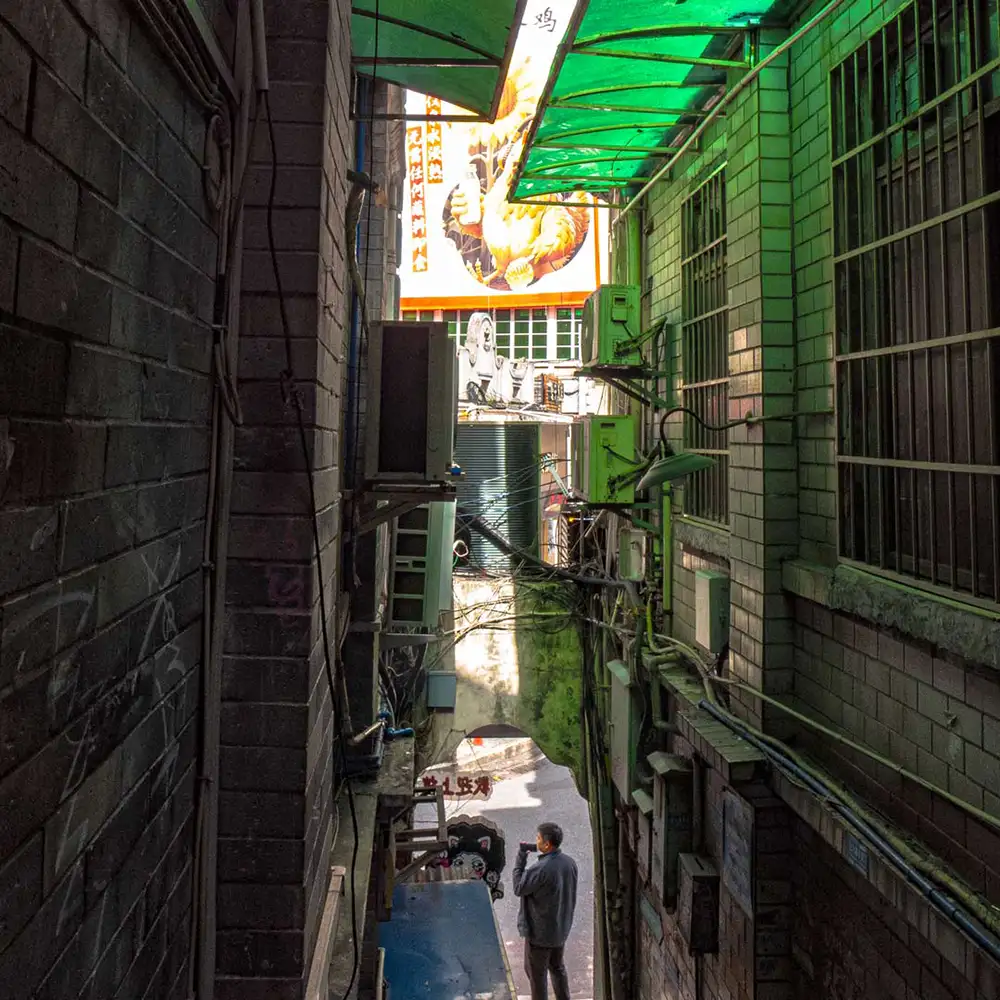
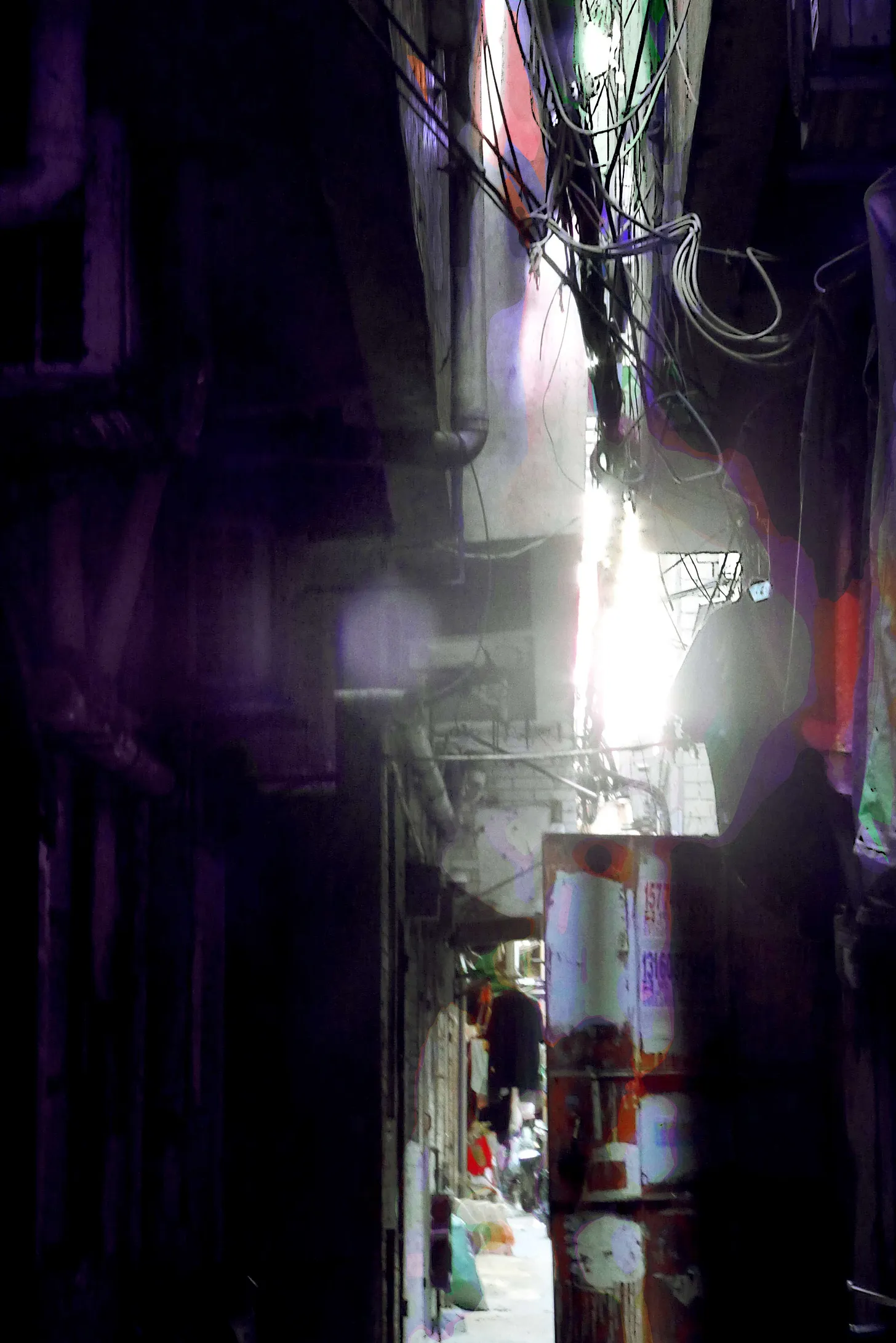
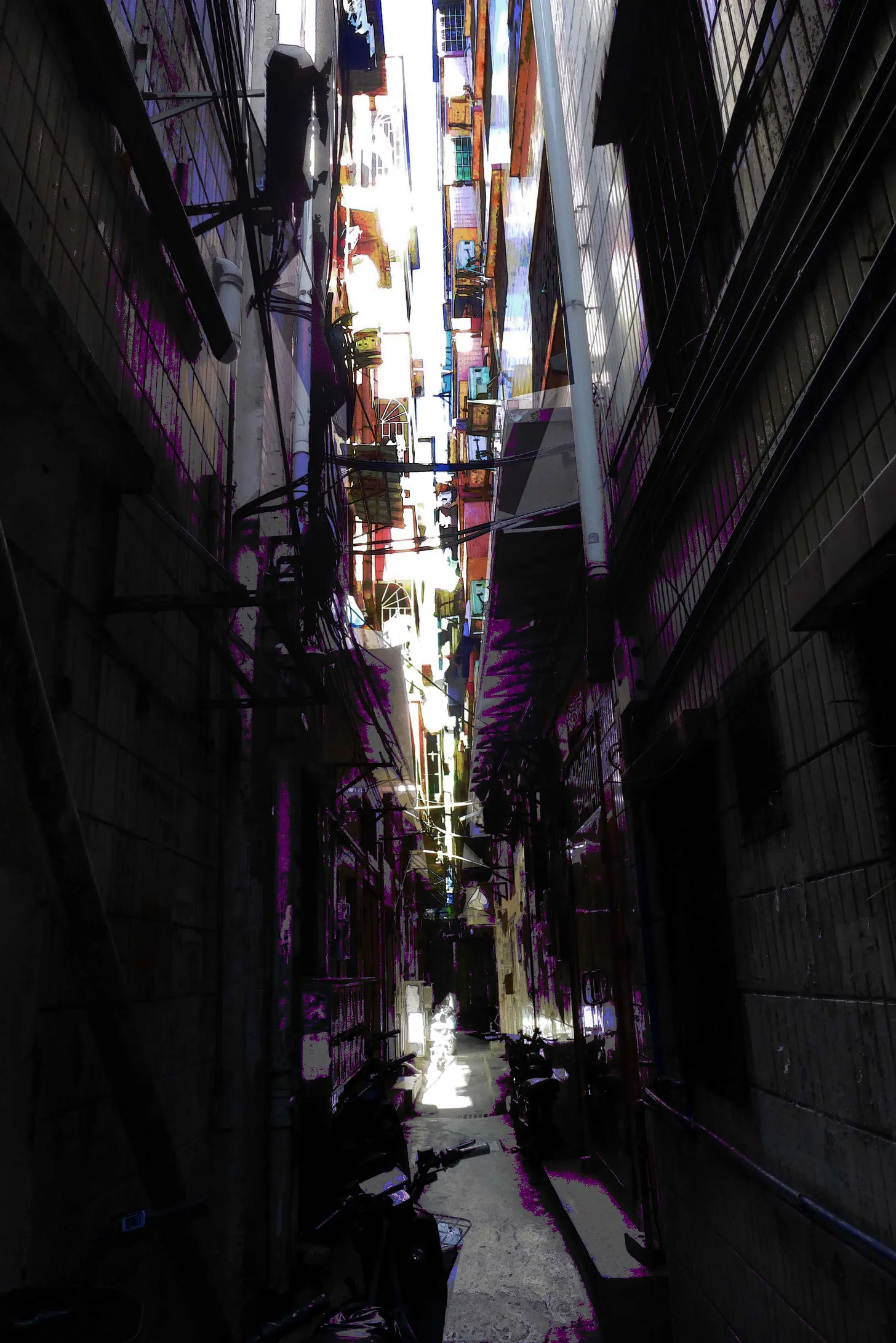
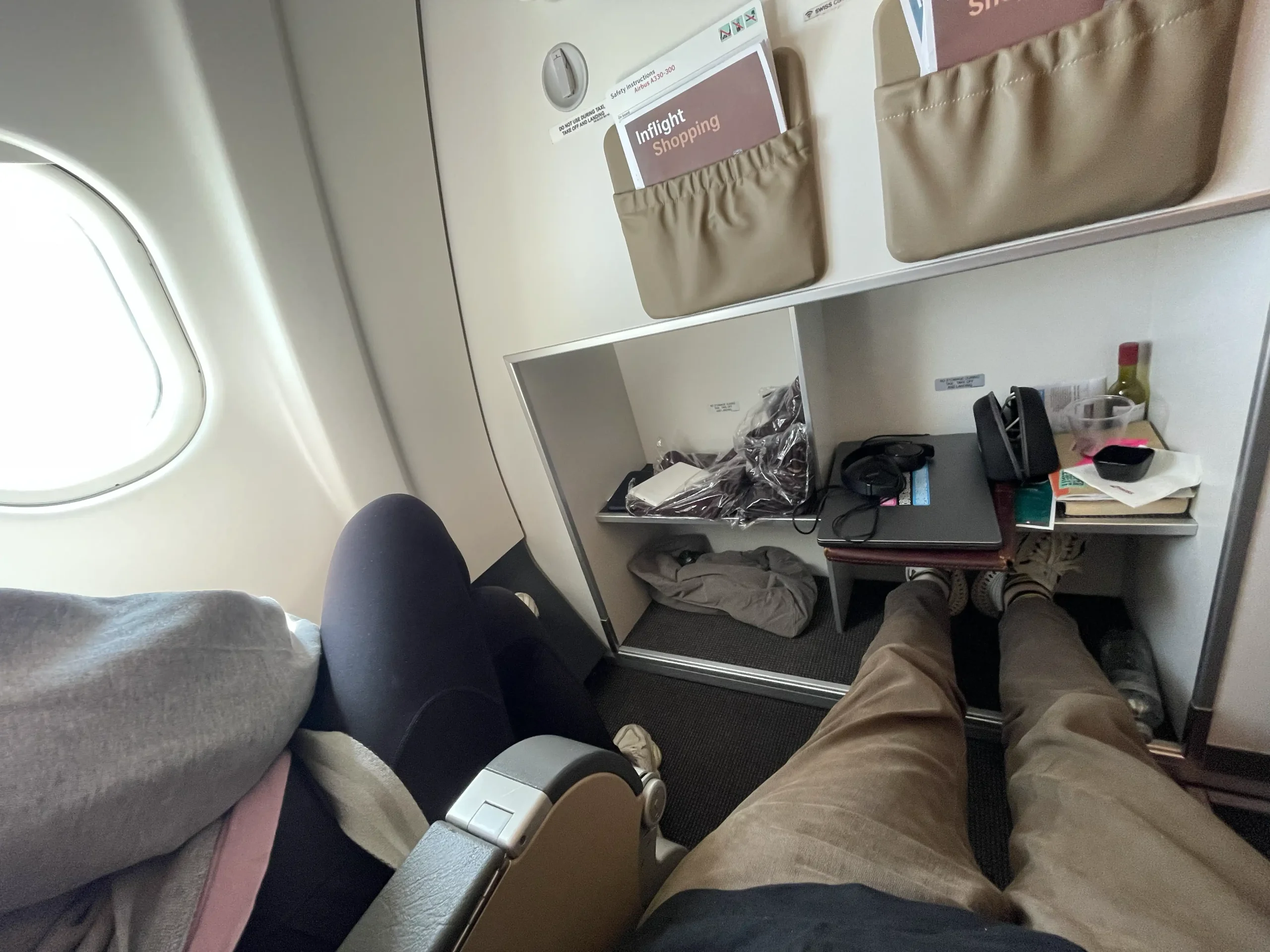
Top: Tatami office in Shimokitazawa, Tokyo,
Bottom: Tenement apartment office on Ave B, New York
two:
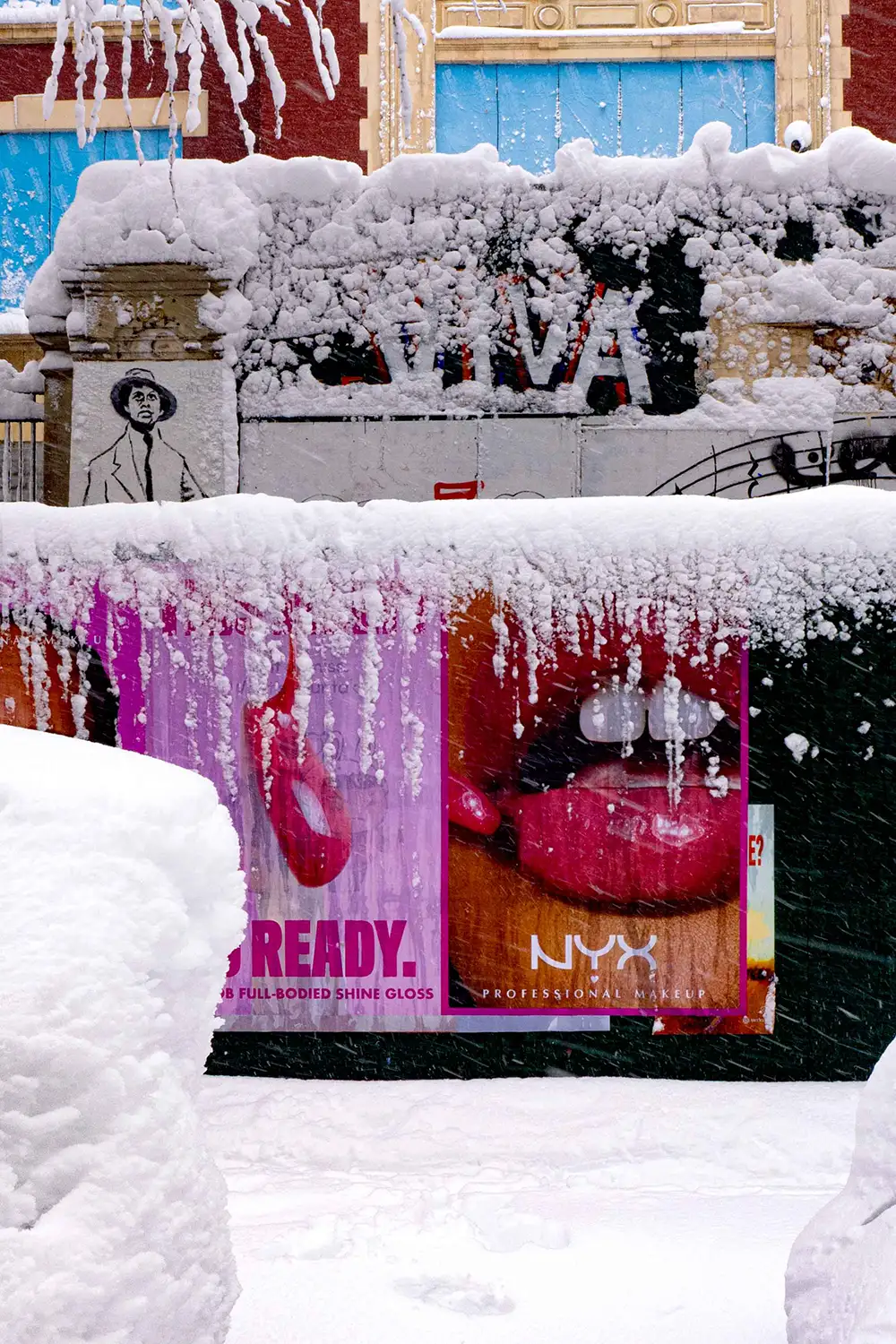
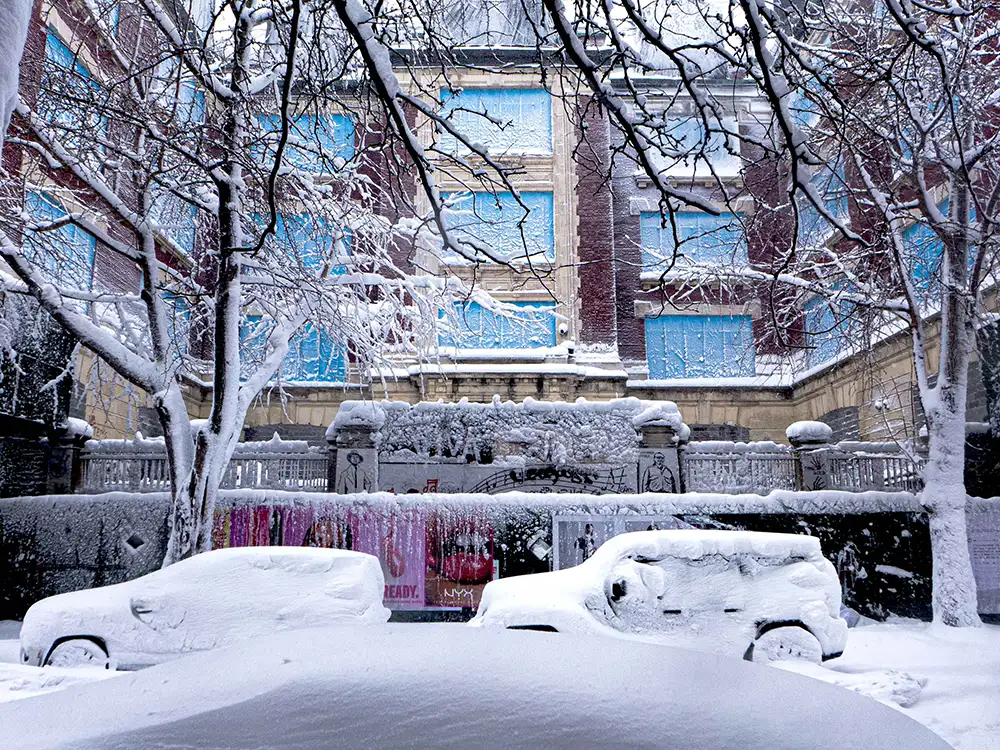
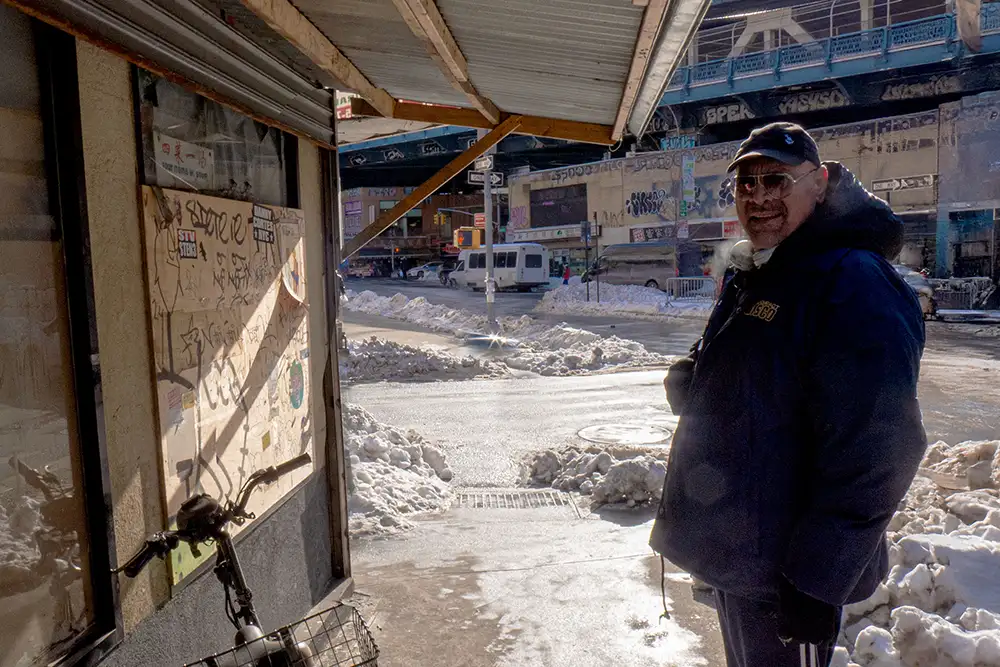
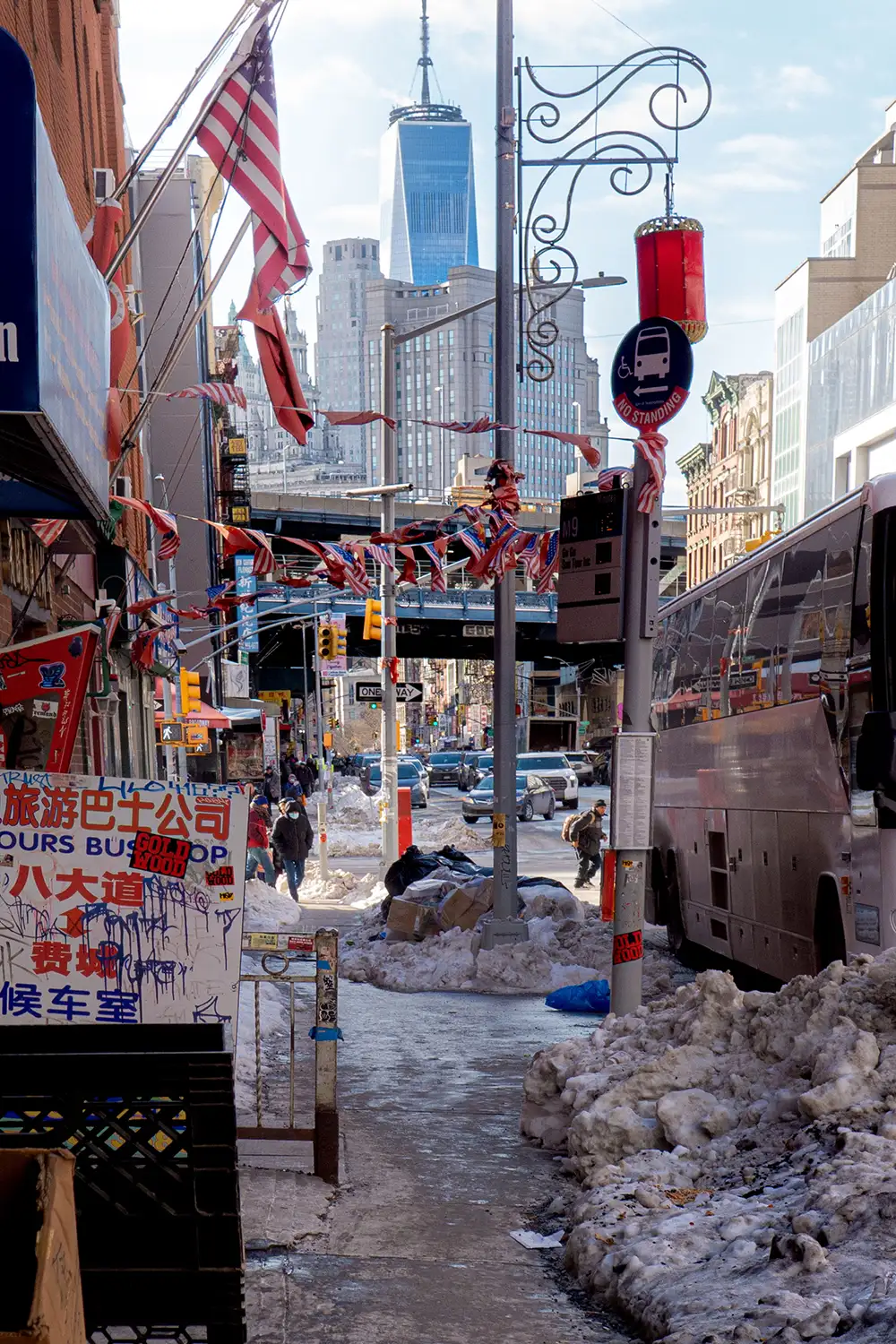
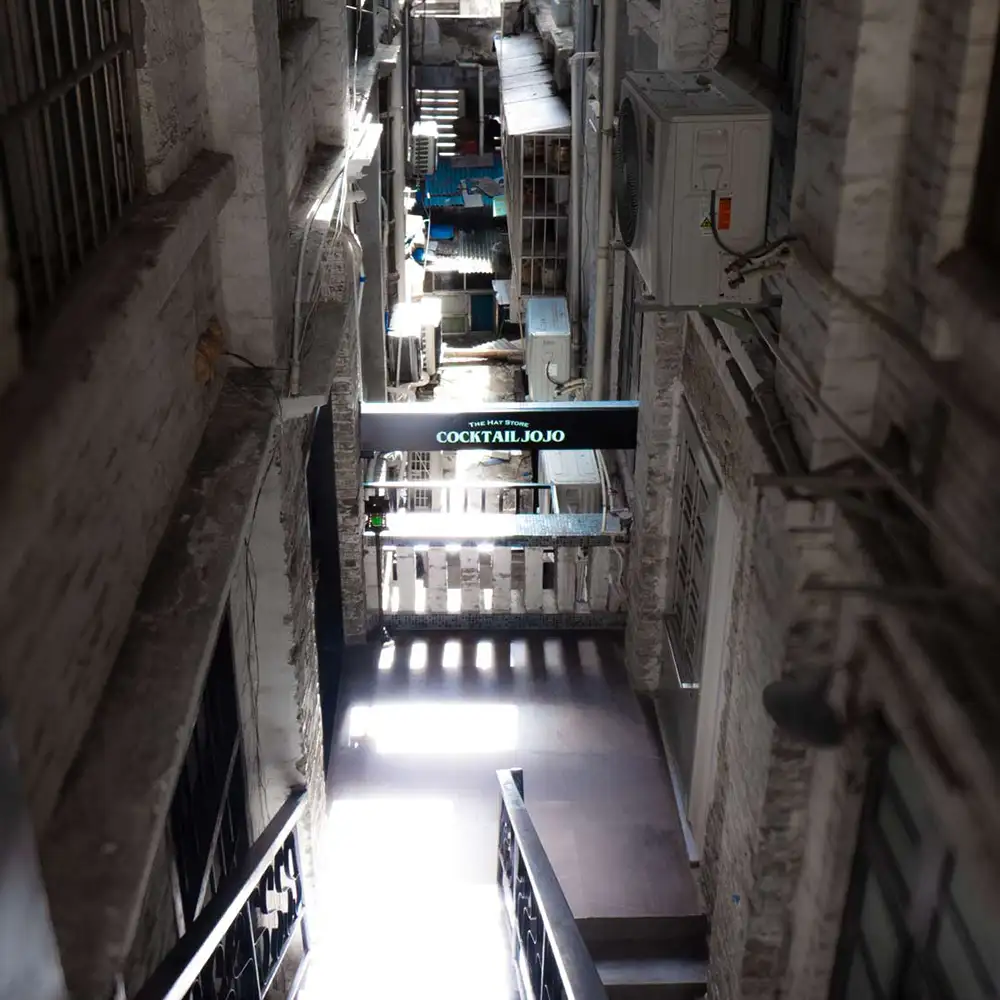
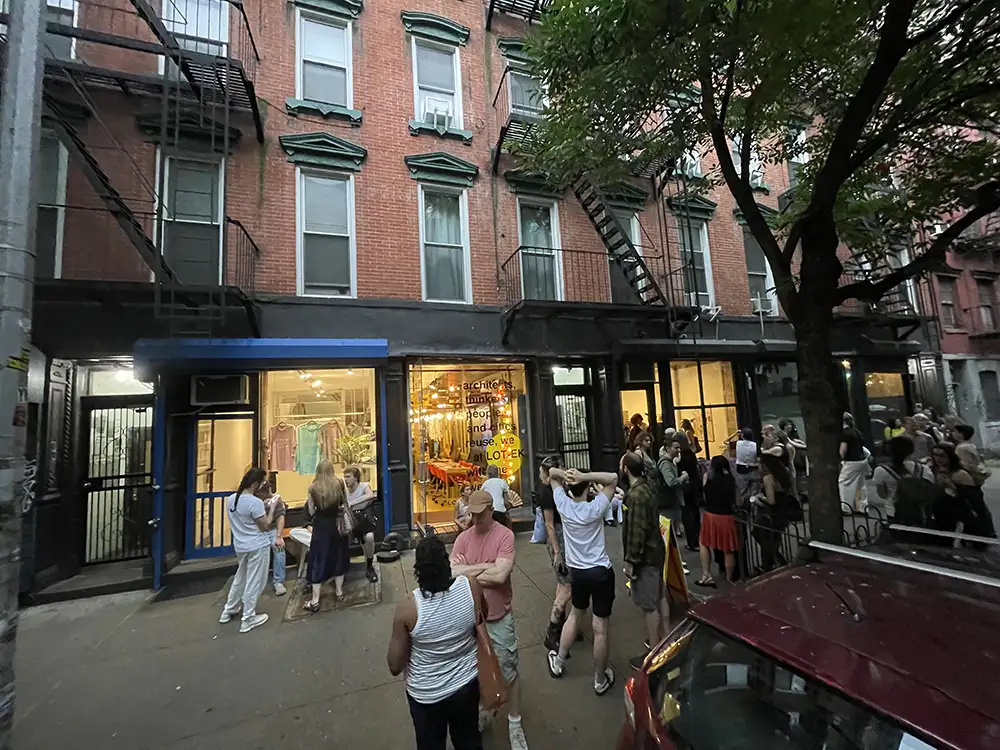
Top: Grand Street
Bottom: 618 E 9 st
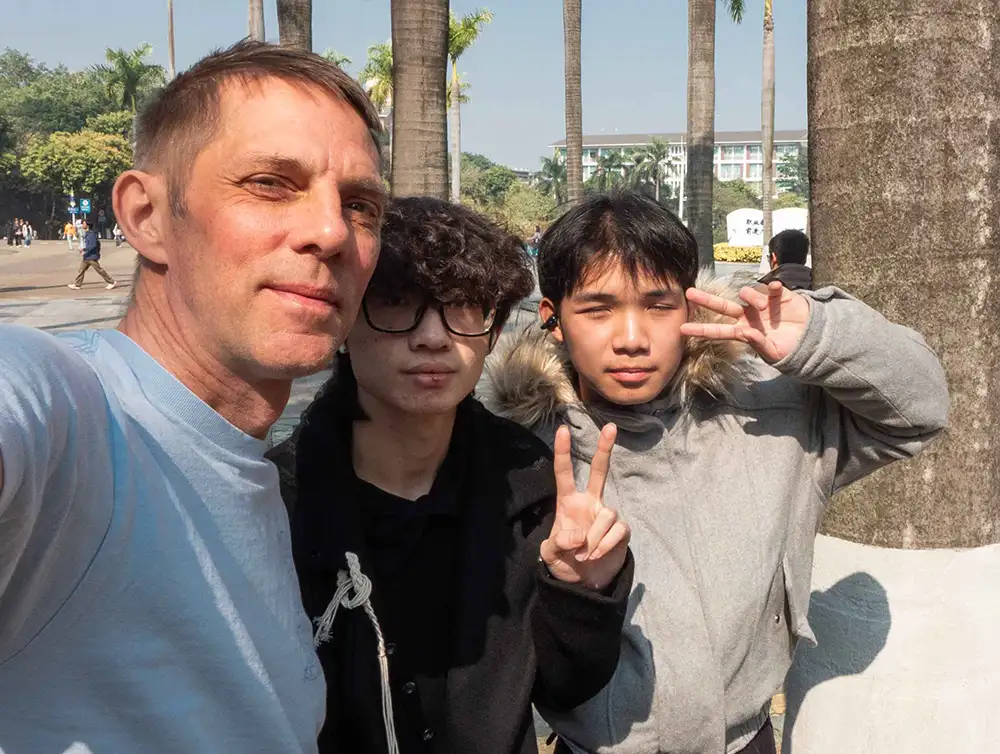
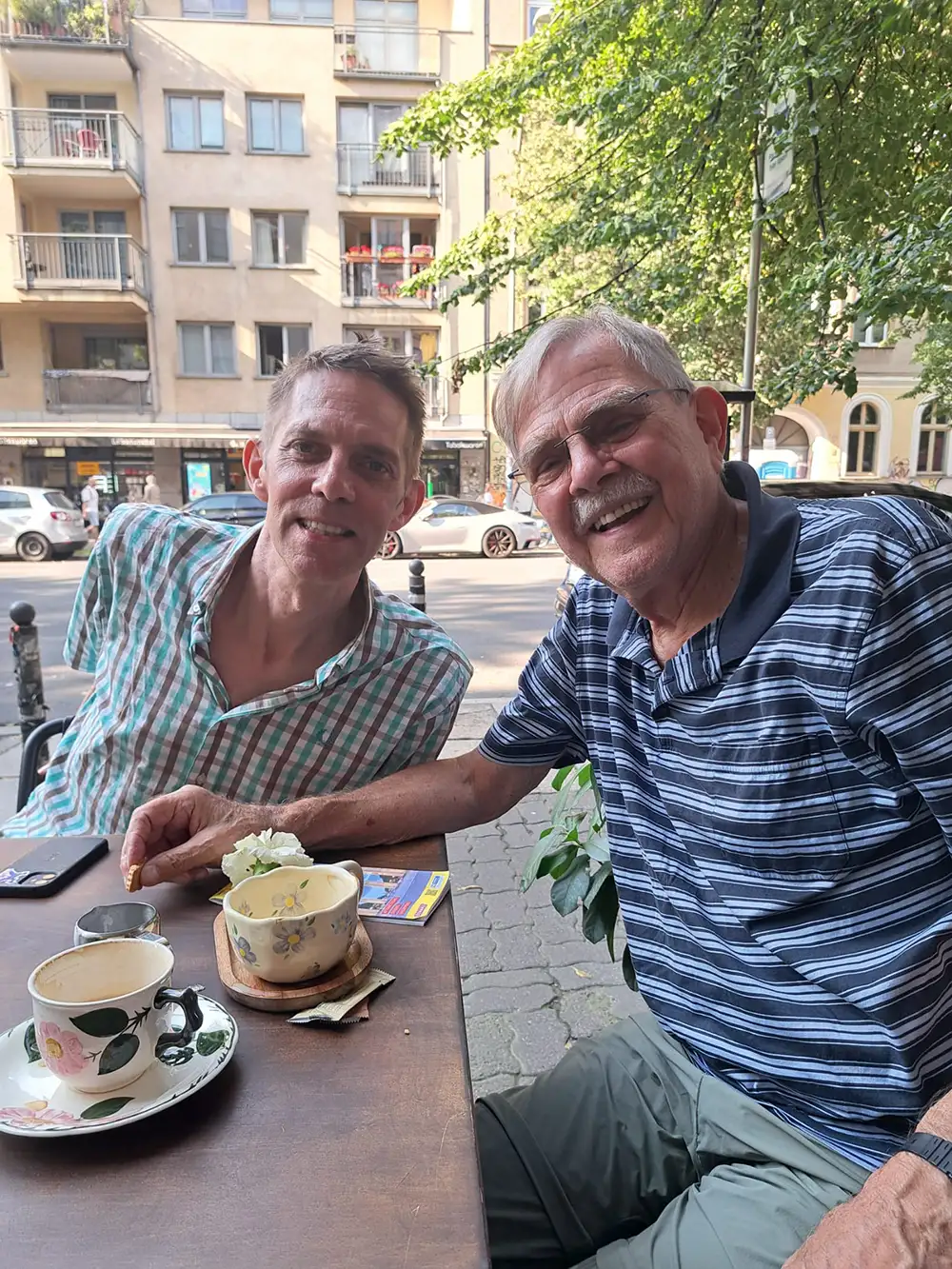
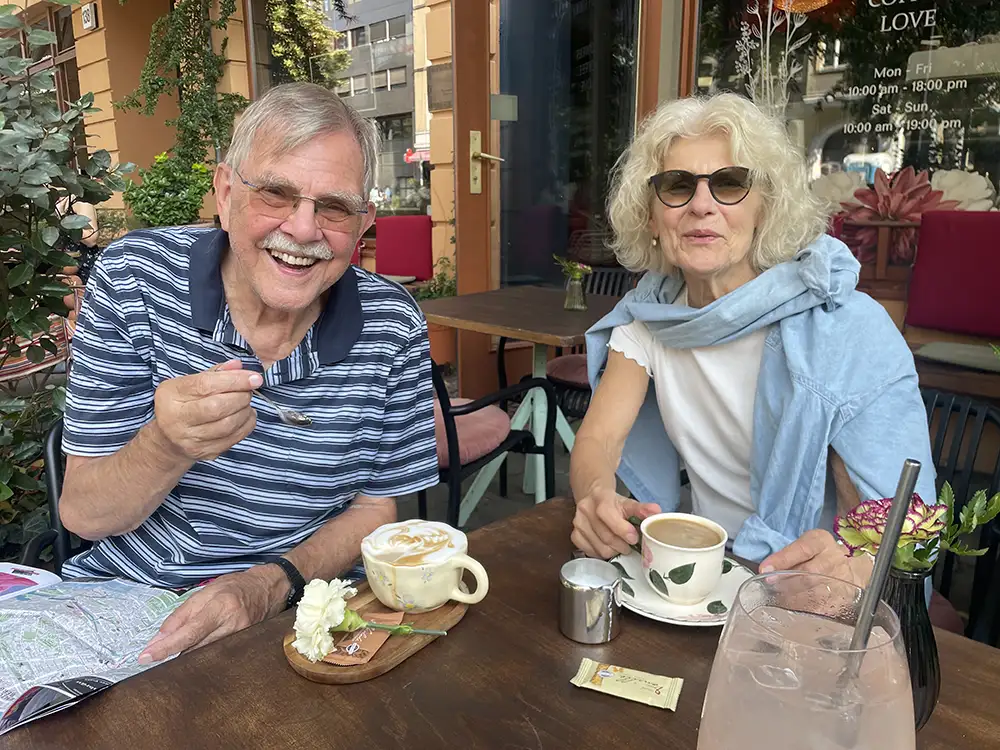
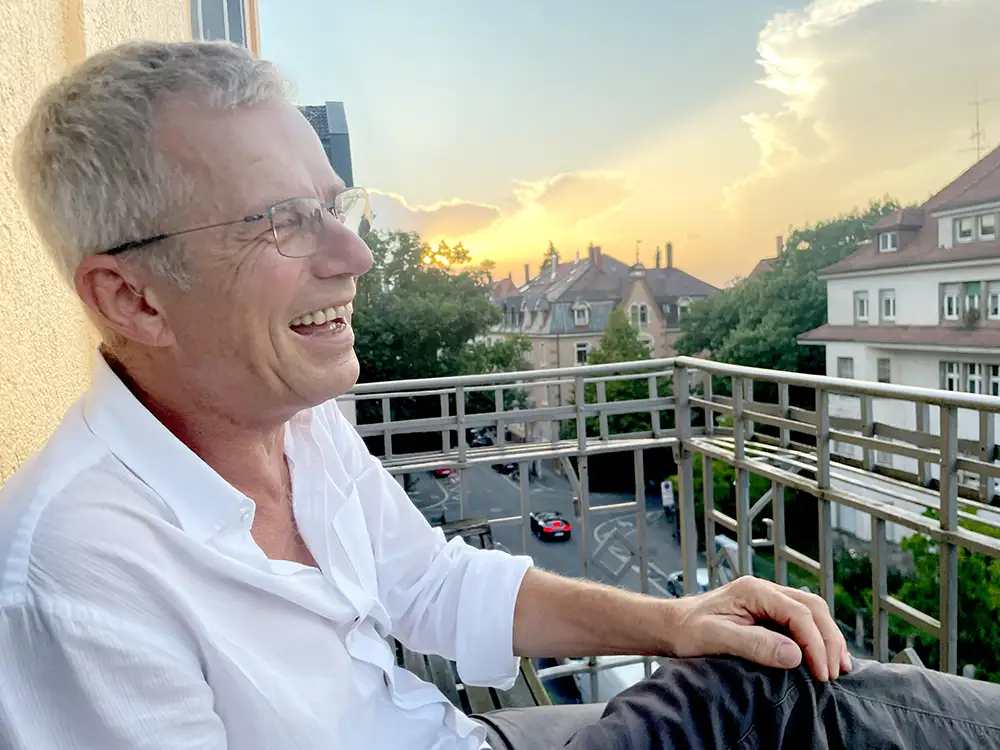
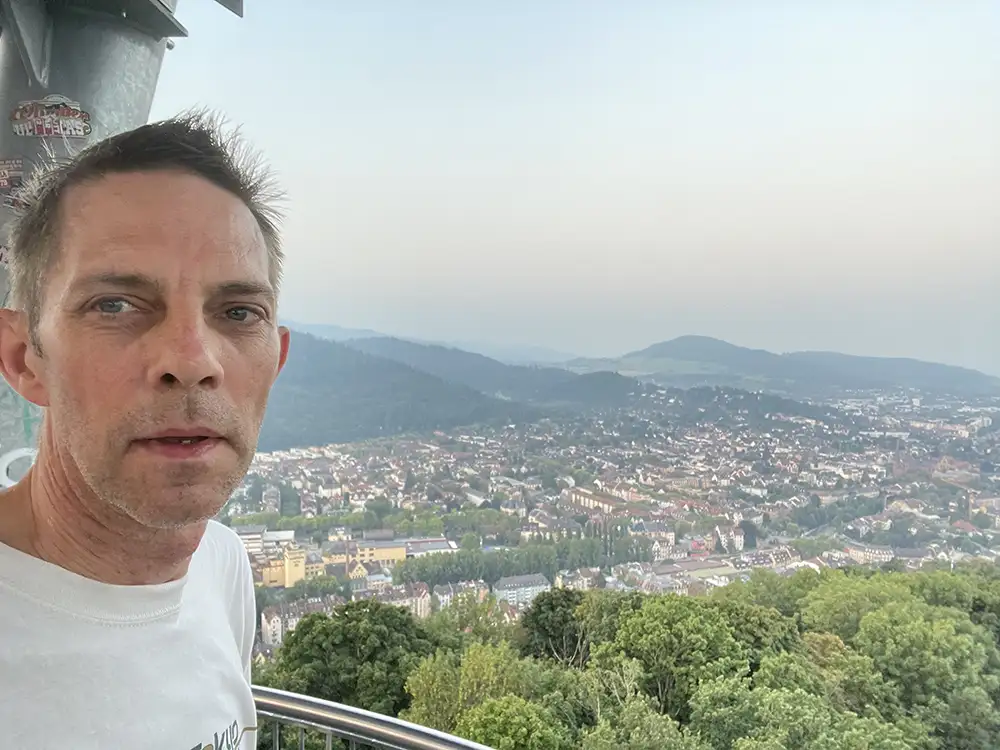
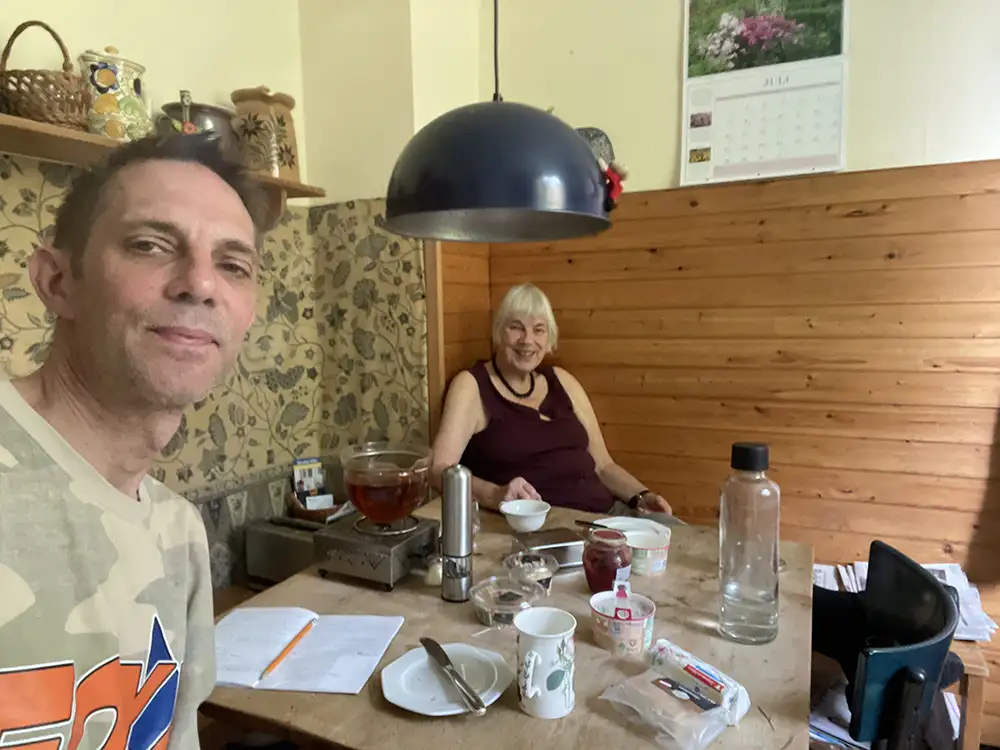
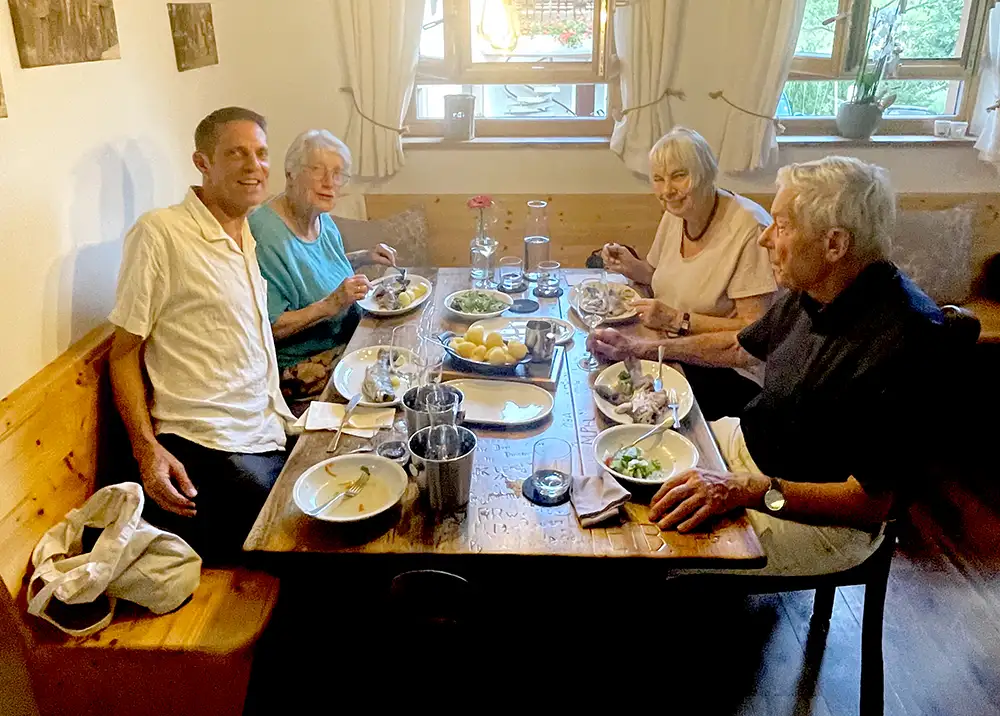
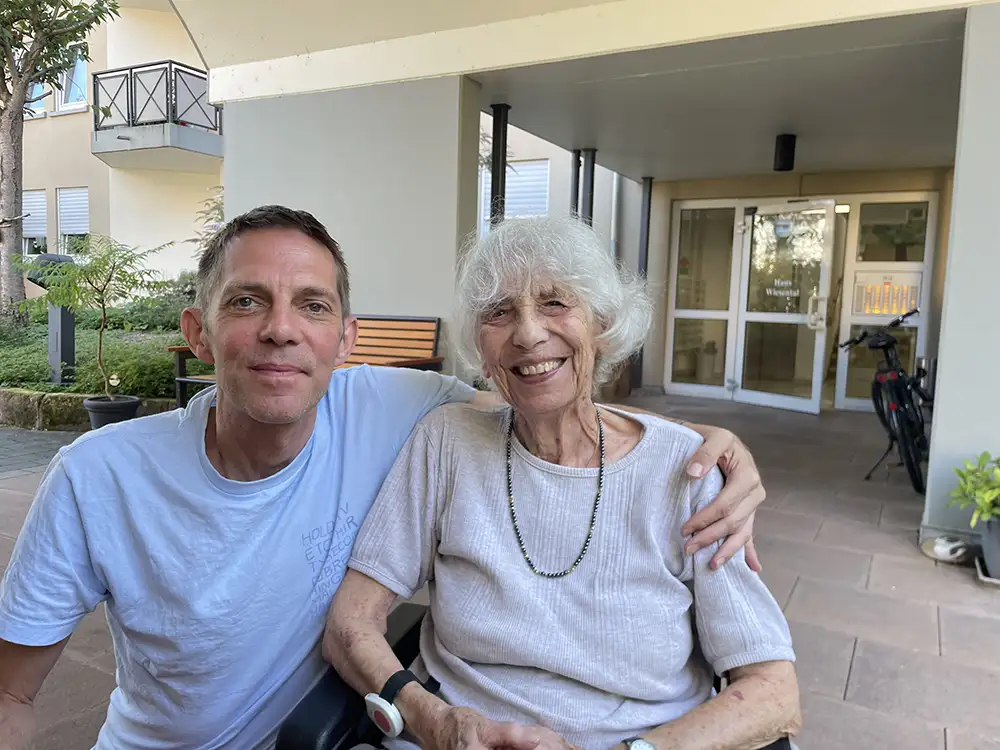
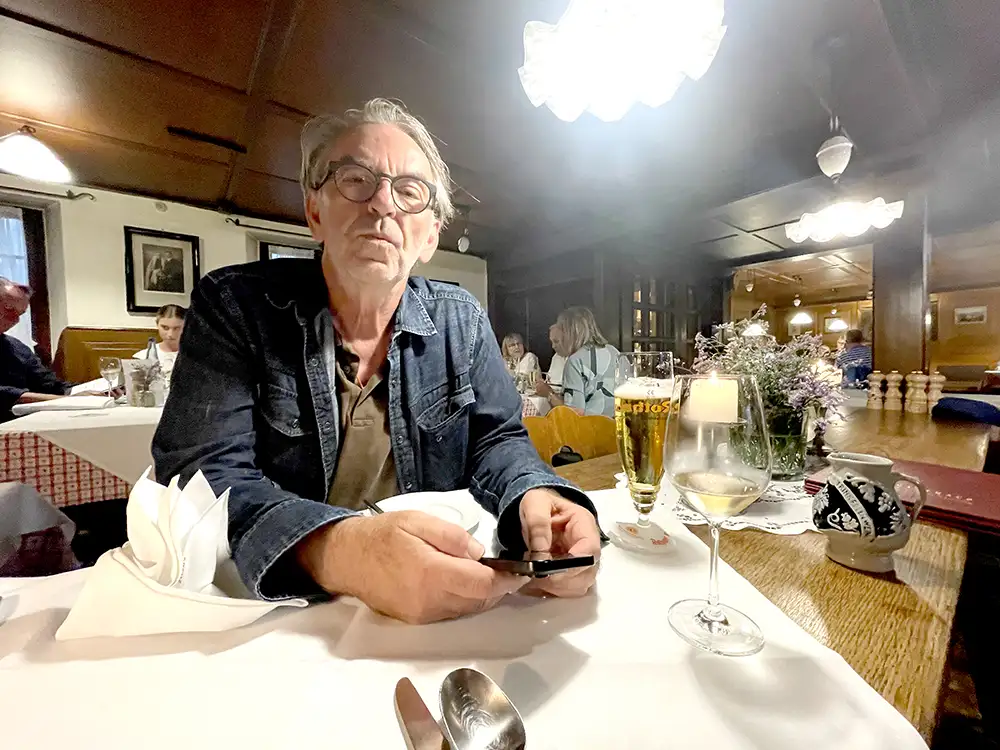
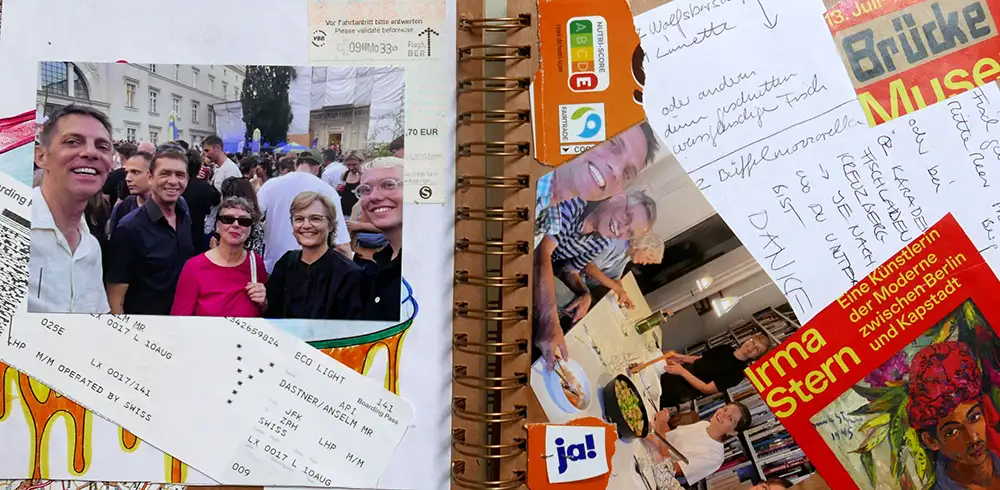
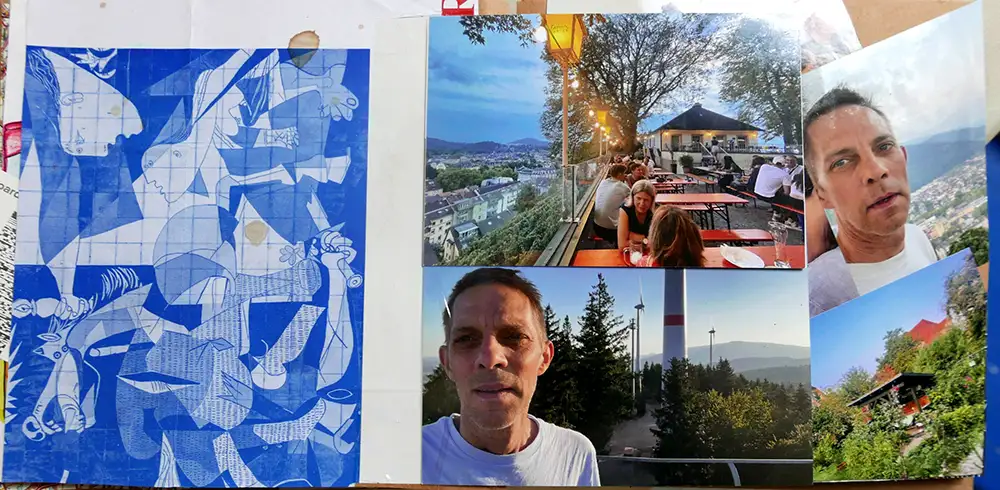
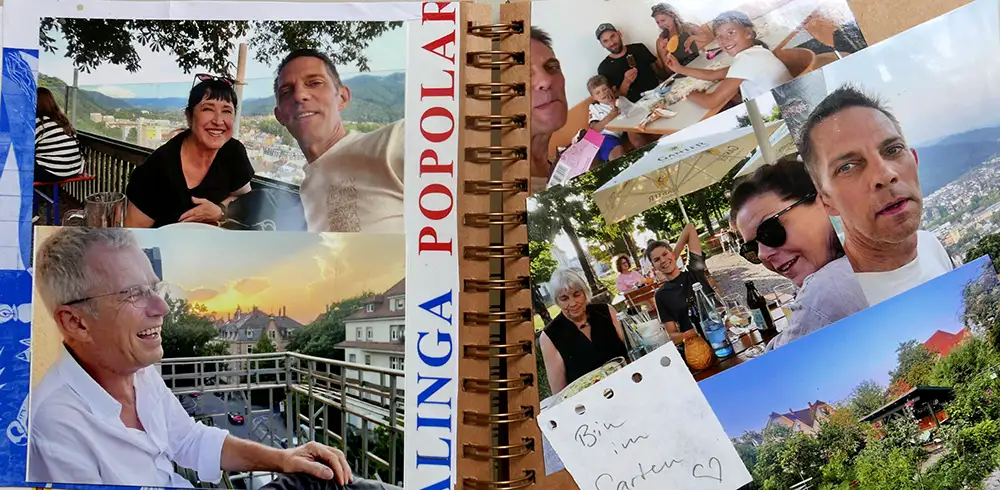
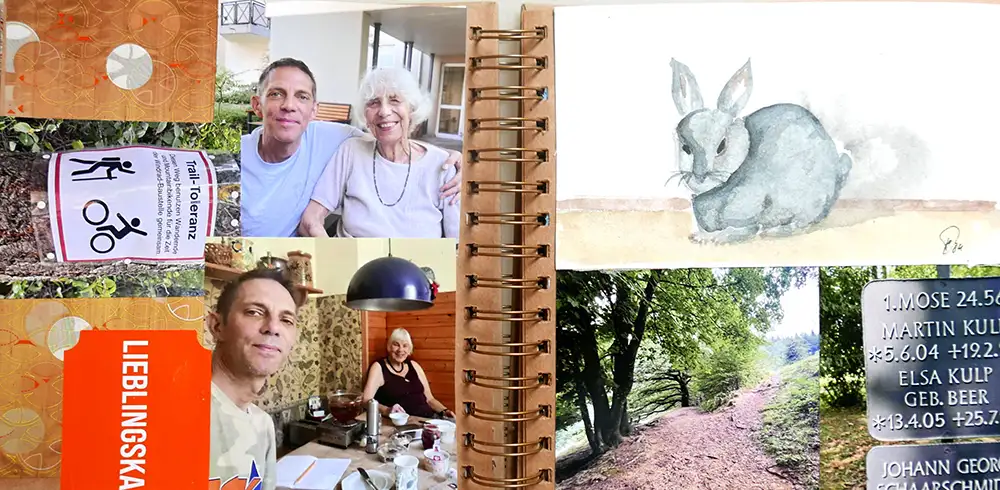
When I visit my dad, Wolfgang, once or twice a year, if it’s possible, it’s far, and it’s always so good, so warm to be back; he keeps asking me if I still do art.
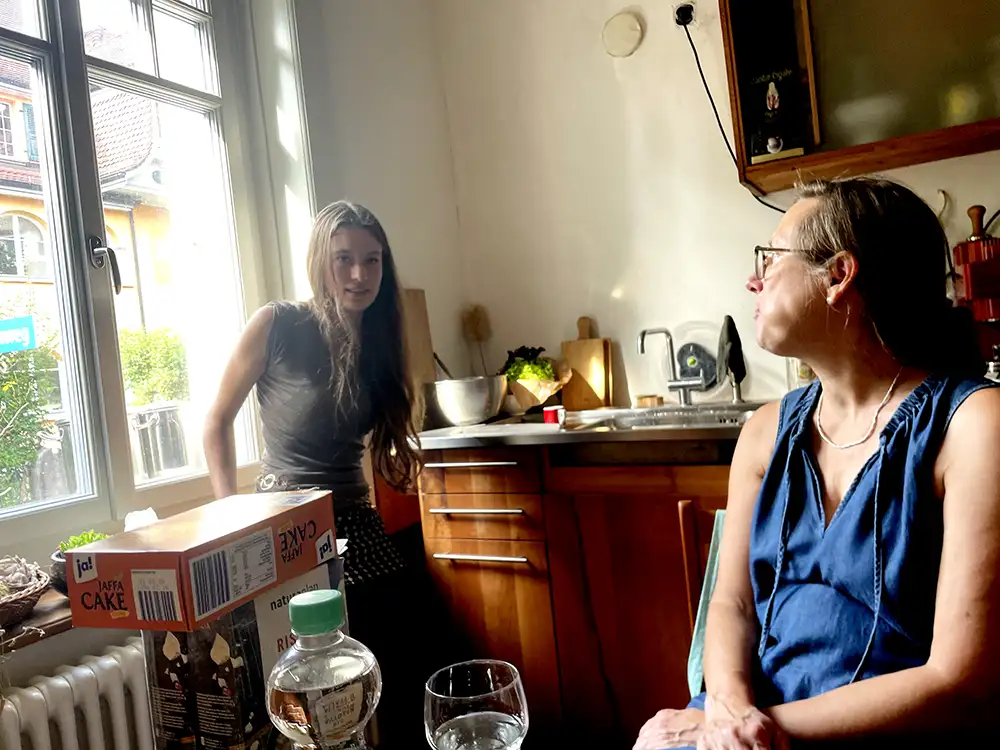
At my gasping, I need to pause for an answer. He breaks the silence, reminiscing that the service sector could be considered ‘Art’. Lilly, my 2nd mom, steps in; she sees my frustration. I think choosing the right typefaces is an art; he doesn’t. He says he could pick up the program to the Philharmonic and the typeface isn’t important. I’d say I could teach a 15-week course on why. The great type master Adrian Frutiger said it’s like the spoon you used for breakfast; you shouldn’t remember it. That’s true: type shouldn’t take over the main content, but I do remember a well-designed spoon. I have some spoons that are better and bring us joy.
I come equipped with accumulated technical knowledge, plus negotiation tactics for clients, editors, writers, photographers, developers, and printers.
When I first landed in NYC, I checked out some galleries because I was still enrolled as a painter in college. Seeing the gallery world, market resale prices make art more valuable. Me, getting less naïve, couldn’t figure out how anyone would pay enough for my art to afford NY. Meanwhile, when I made flyers for the nightclubs (to get in for free), I understood that if x-amount more people showed up because of a dope flyer, I should be entitled to a cut of the profits. Art is a lot more commercial in that way. And that is to say that Art creates problems.
Yet, “Graphic Design is not a static practice; it morphs with culture and marches forward with technology,” says Erik Carter in his book Design Harder.
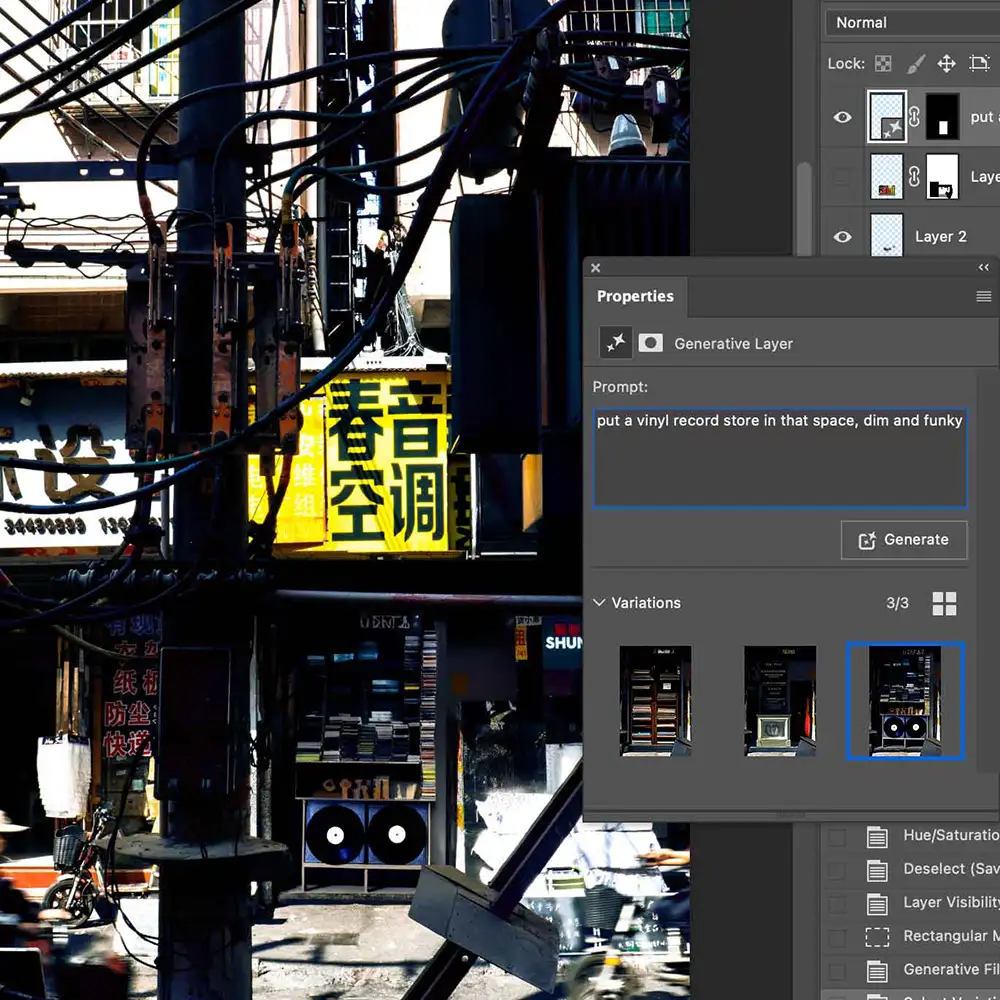
Obviously, tech always informs styles and shapes how a piece can be produced, but its soul, the feeling, the sign of the times, the pulse, that’s what a designer examines and adds to the chain. So, it’s my pulse. And I absolutely don’t feel like chiming into the oversaturated, regurgitated discussion of whether AI can do this —AI and I? Please don’t call me to be a vibe-code janitor.
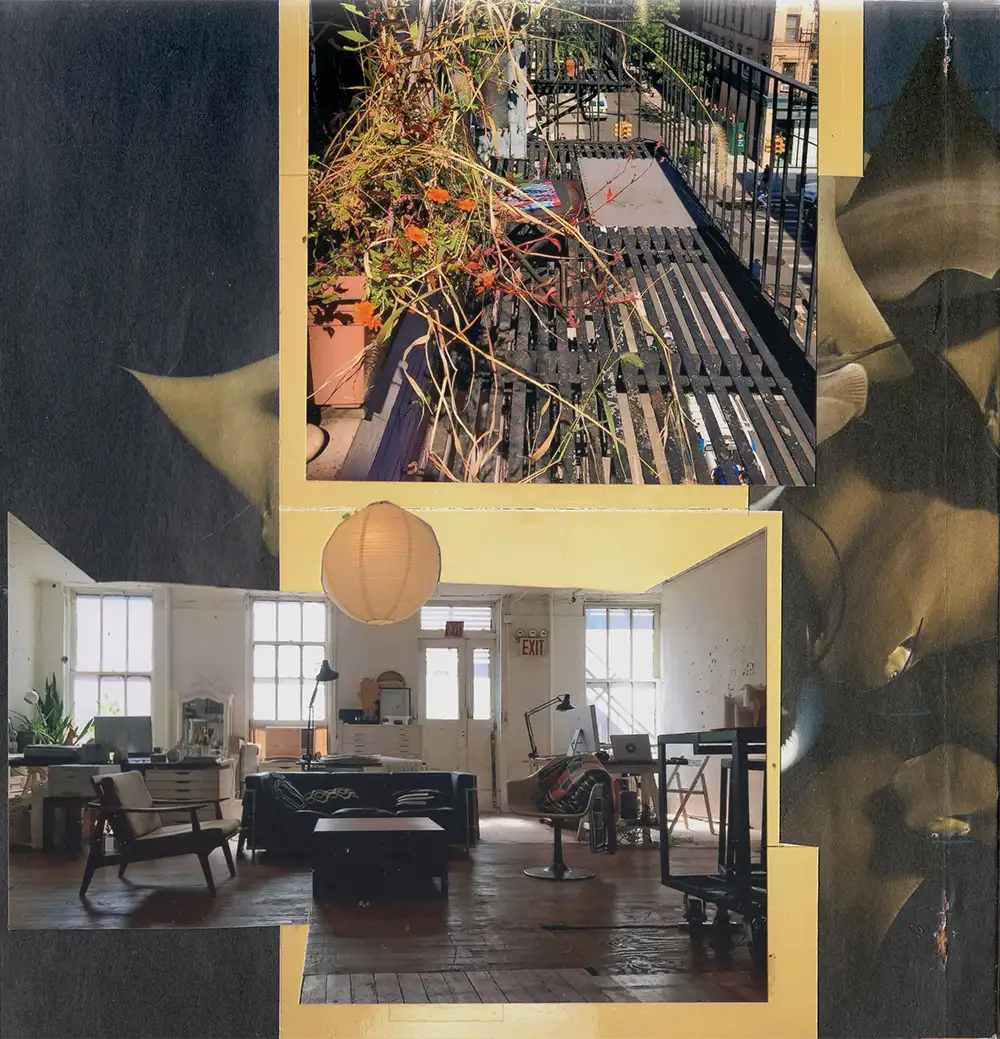
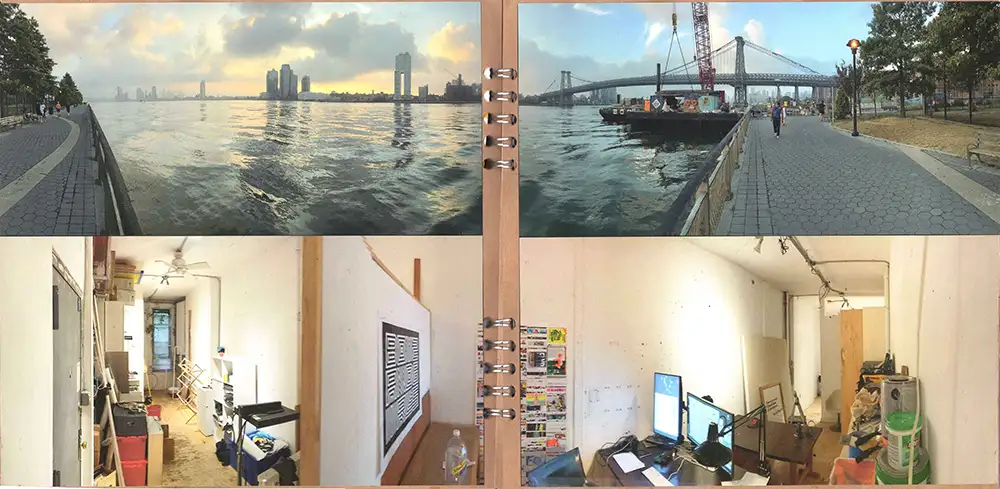
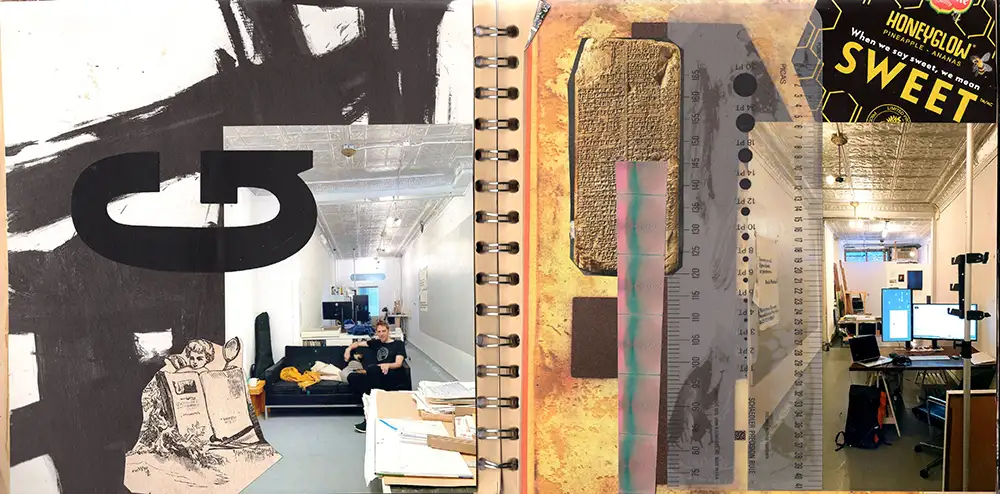
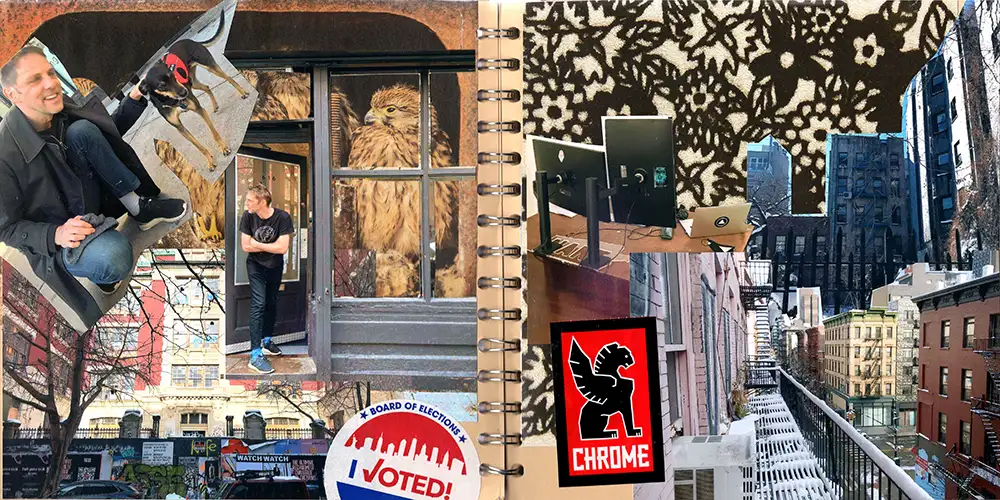
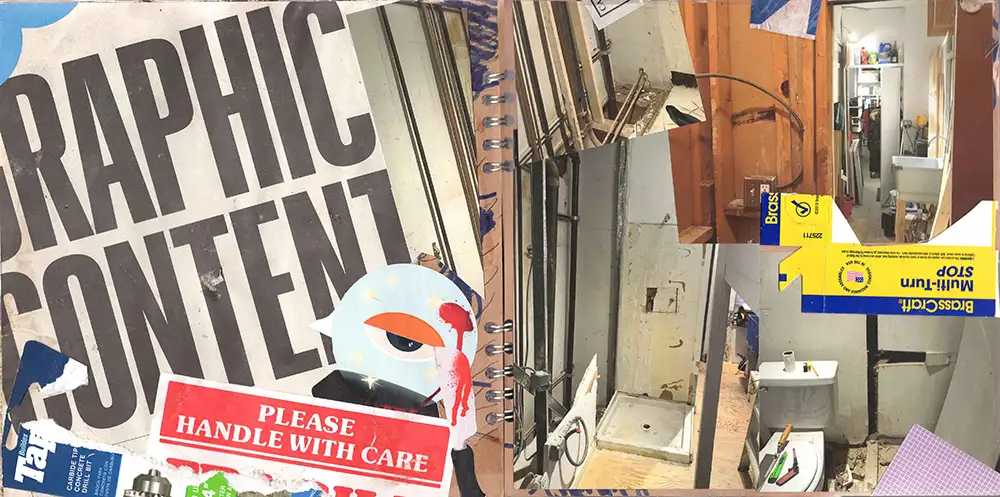
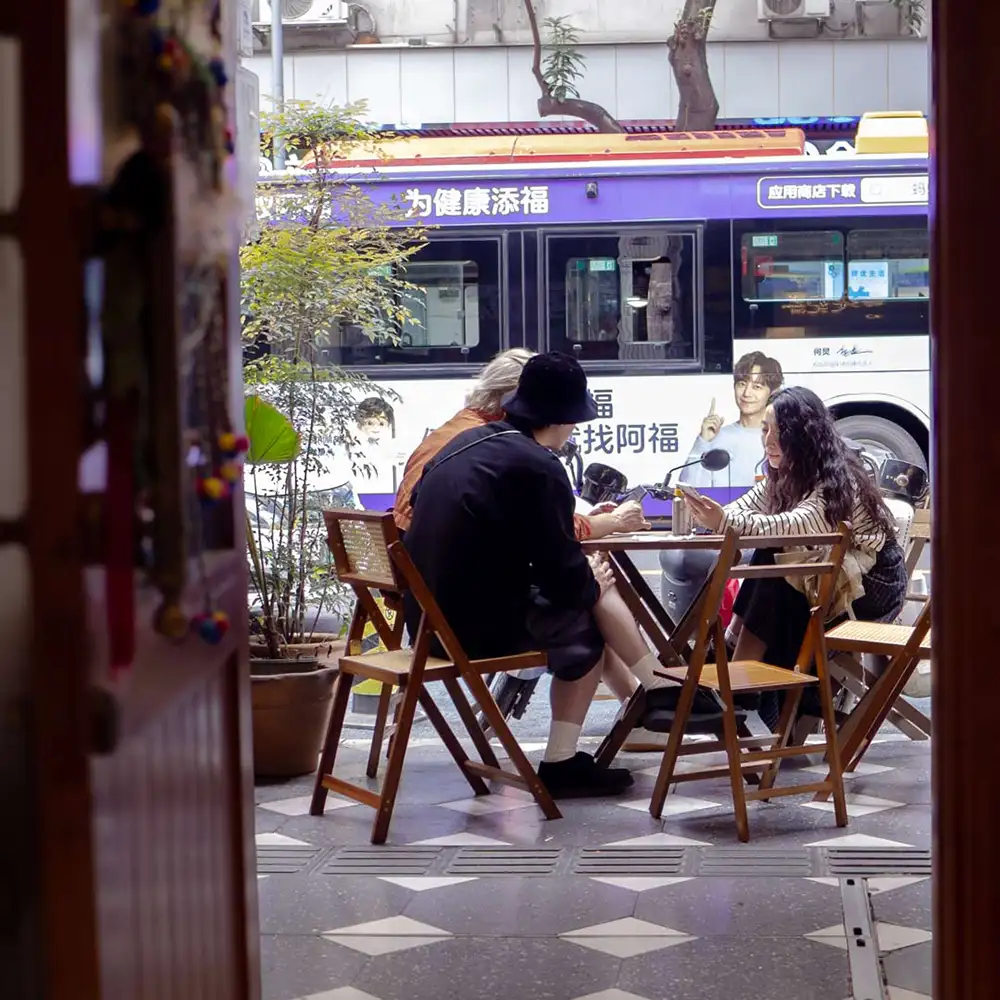
2&3: construction 618 e 9 st
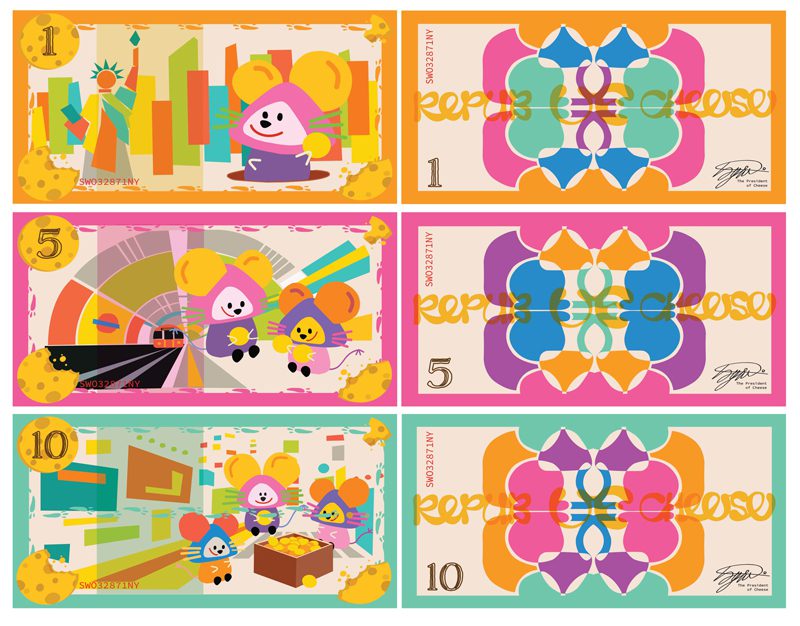
Yes, I do consider myself an artist. Because how does he think I can make a living in New York selling my paintings—the teenage watercolor postcards he is so proud of? I used to sell at the Christmas market. Now I push buttons in a square on a square with many squares inside, playing the keyboard like a well-tempered piano, a partiture of these times’ rules.
Graphic Design solves problems, but it’s also a really good tool to tell stories.
I found out I love stories. The ones that linger with you when you know, through our collective unconscious, that something was left unsaid. The blanks that were not revealed. A brand without a story is bland. As designers, we pride ourselves on being storytellers.
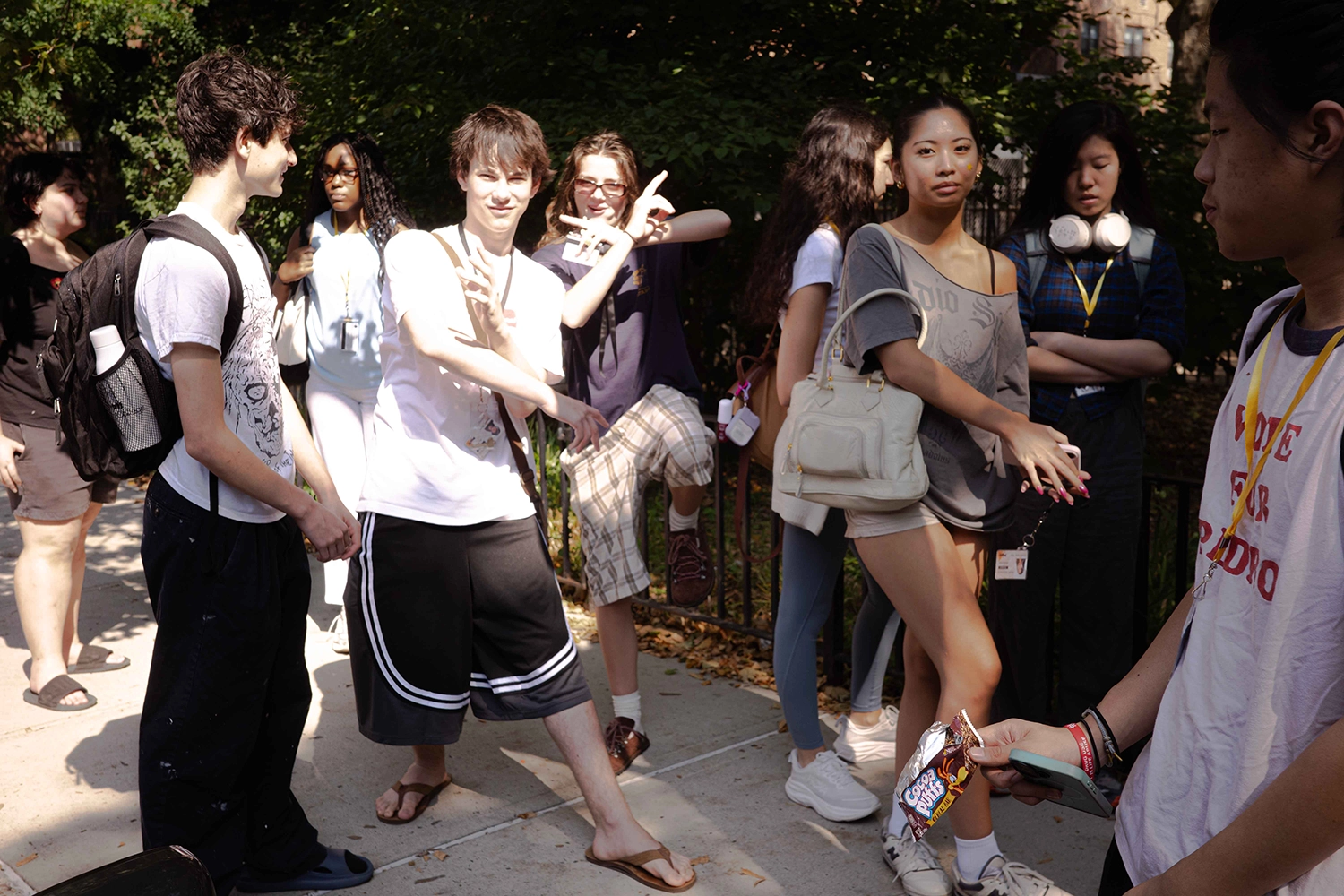
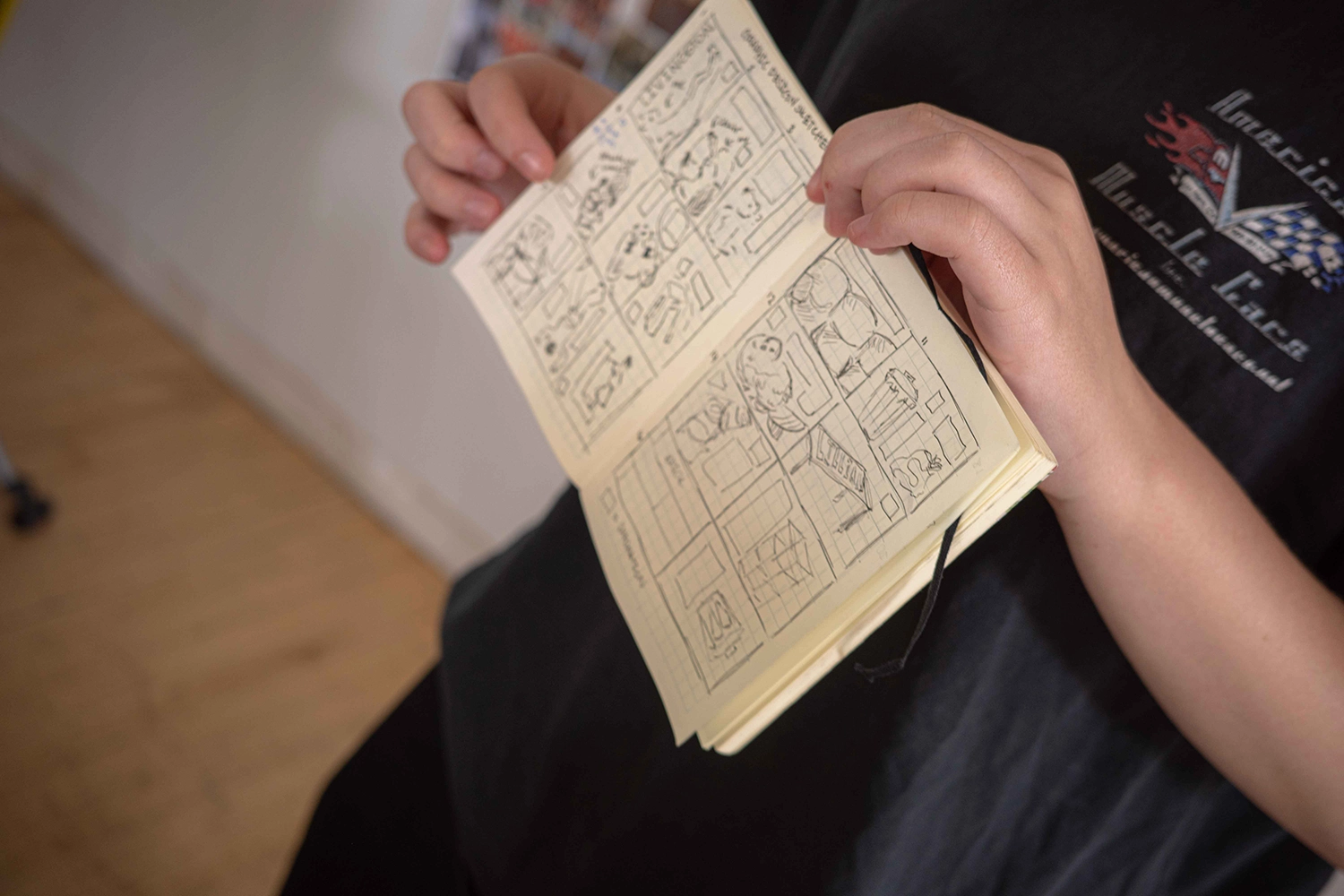
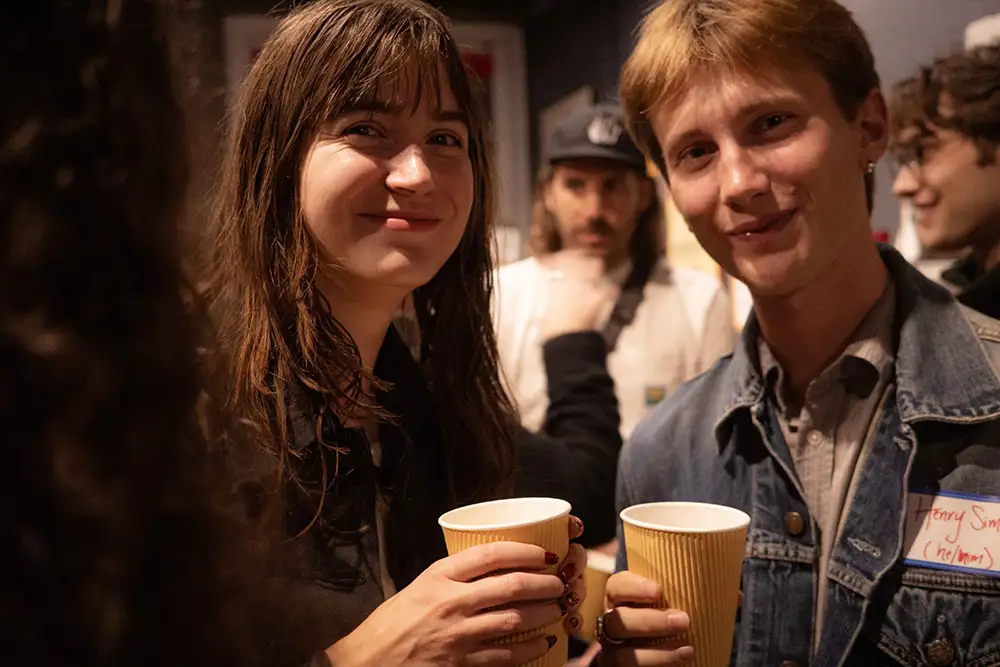
I asked my architect friend again about her favorite project, and she said she designed a room that brings people together. So what’s the room for a graphic designer? We don’t usually build with bricks but with images, language, shapes that people identify with. And a brand can be a visually shared space. It brings it all together, says Henry, a second-year student in my pre-press class.
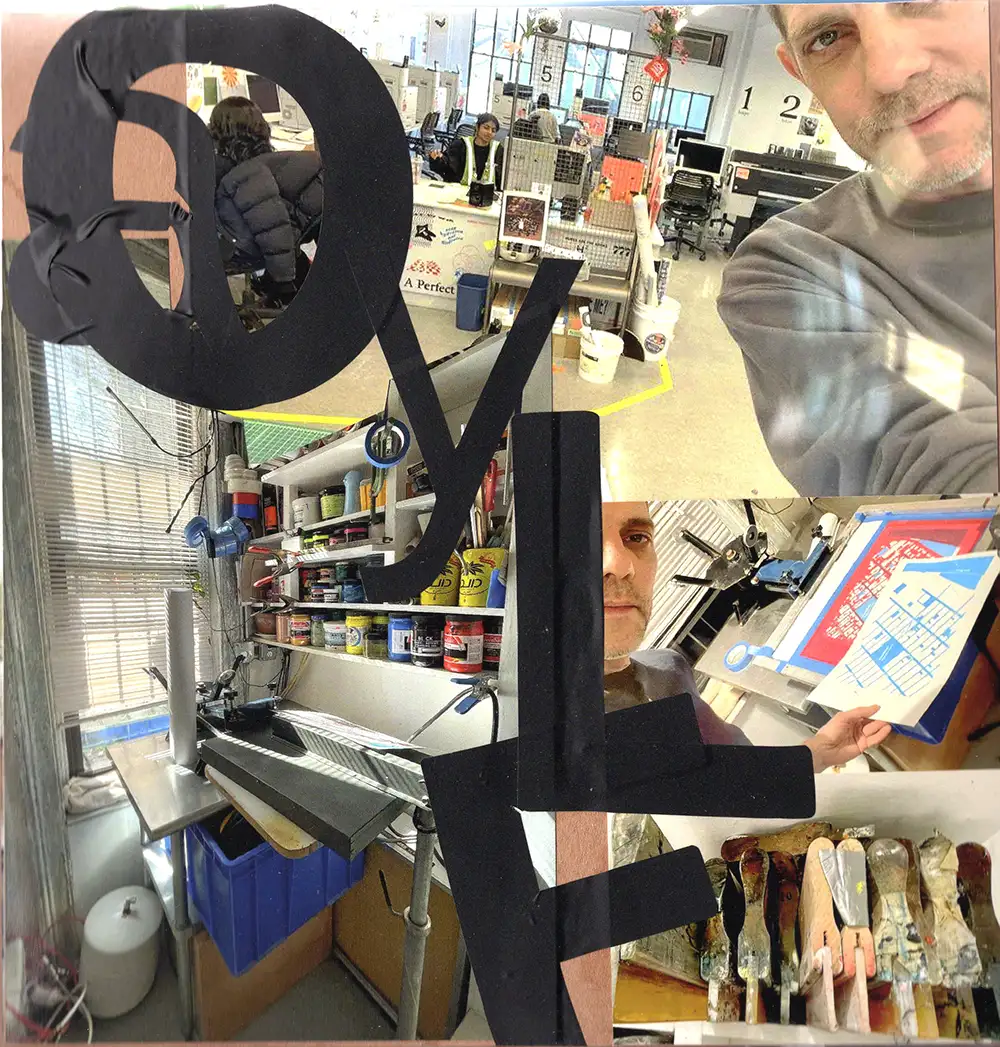
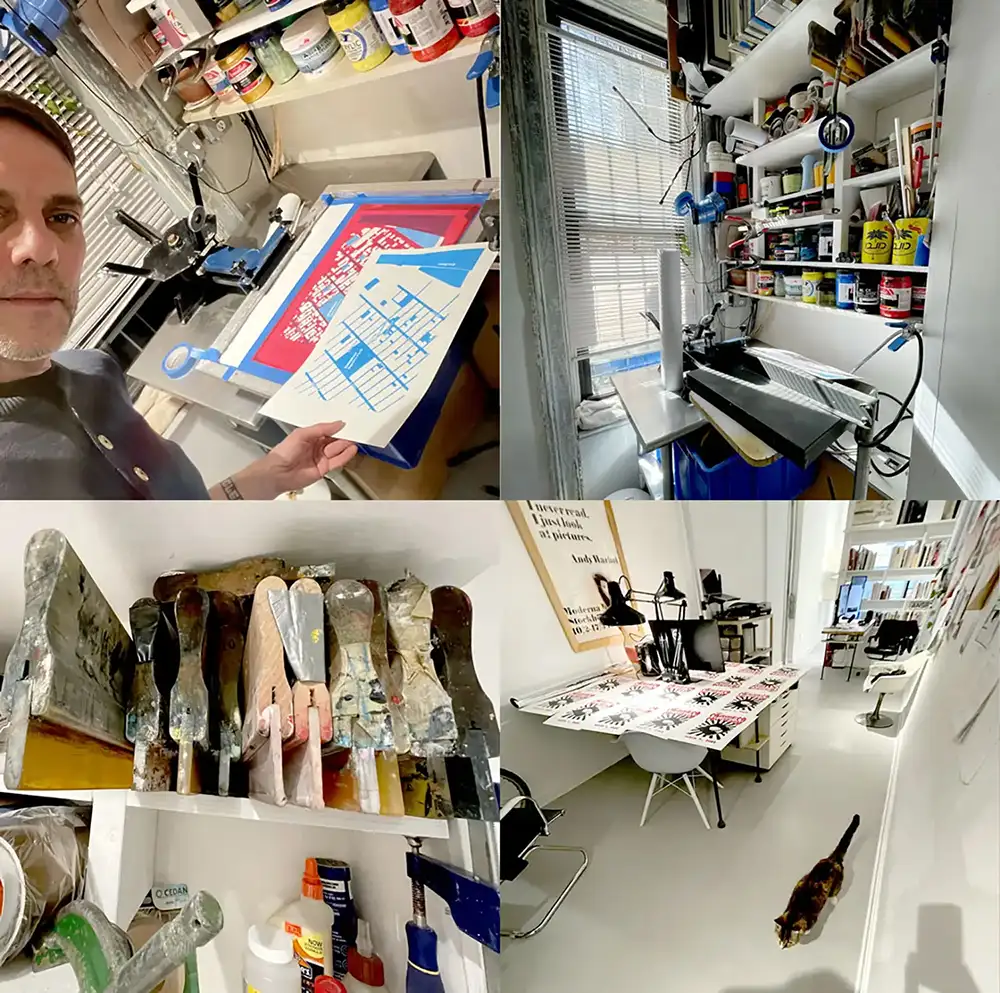
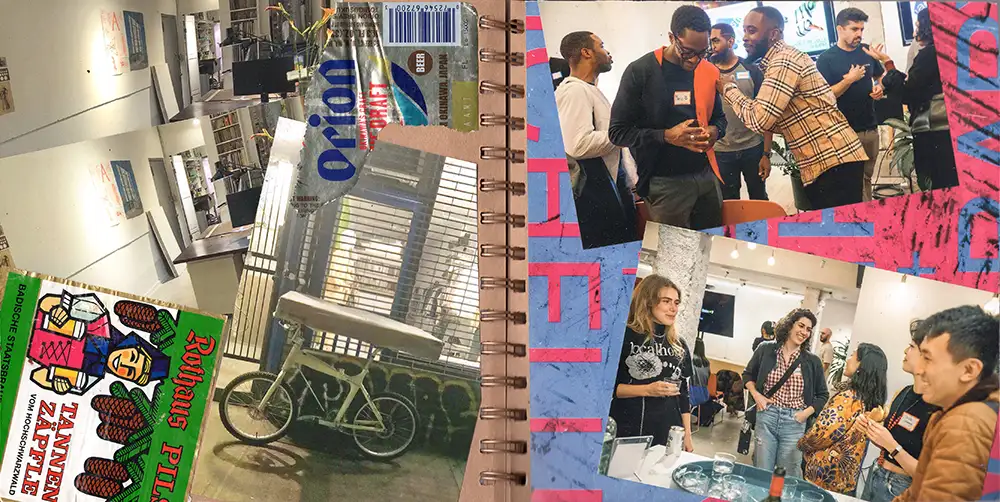
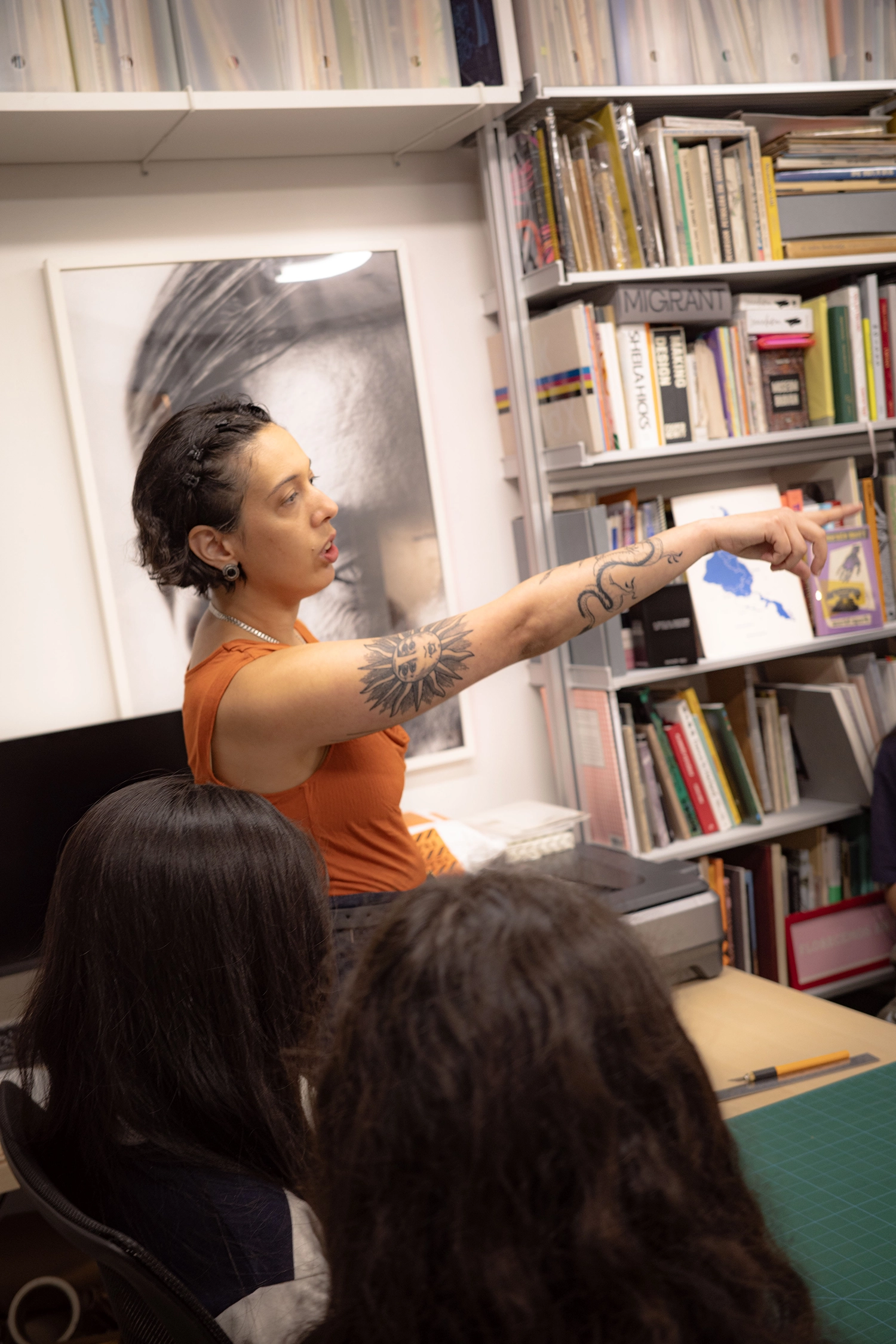
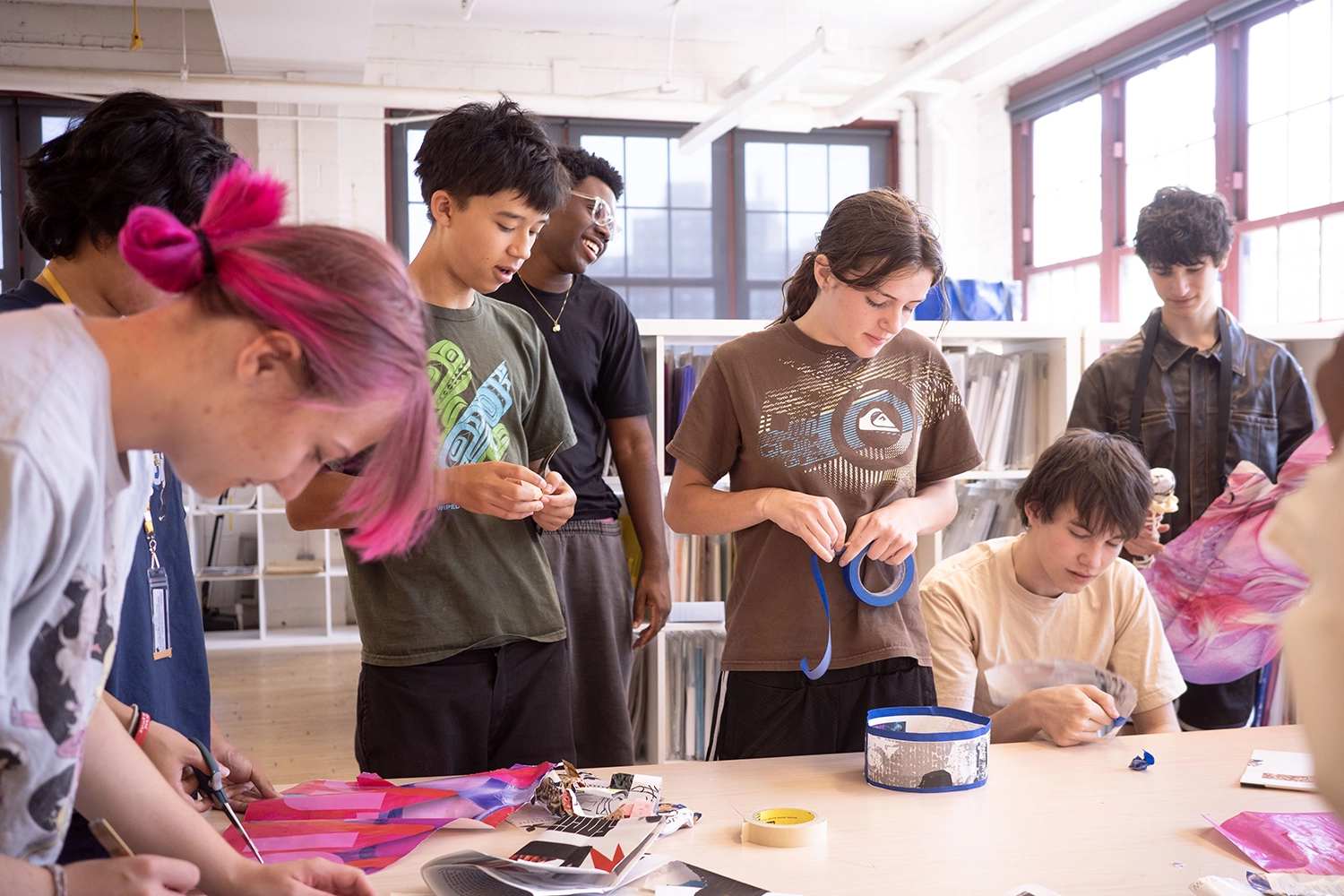
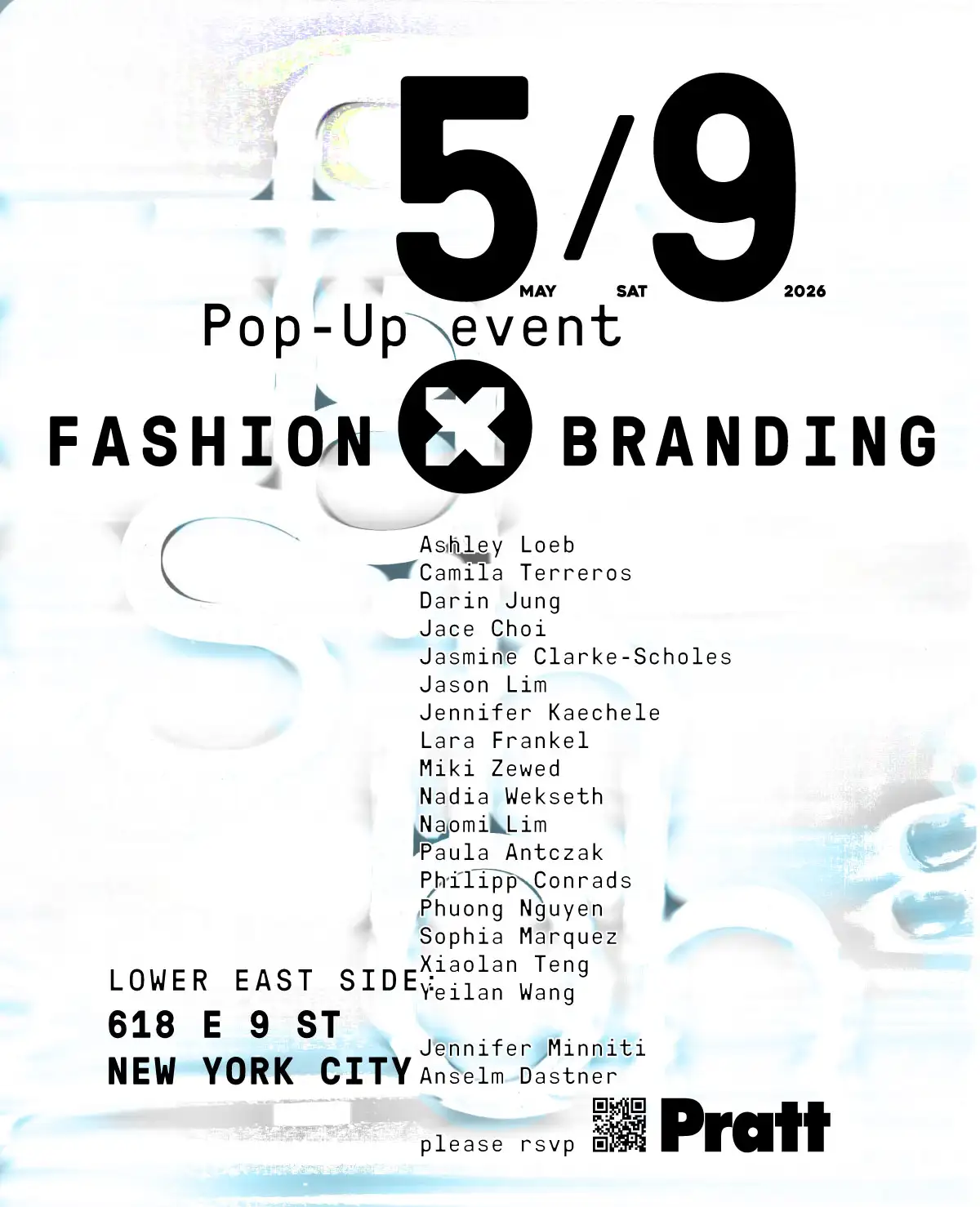
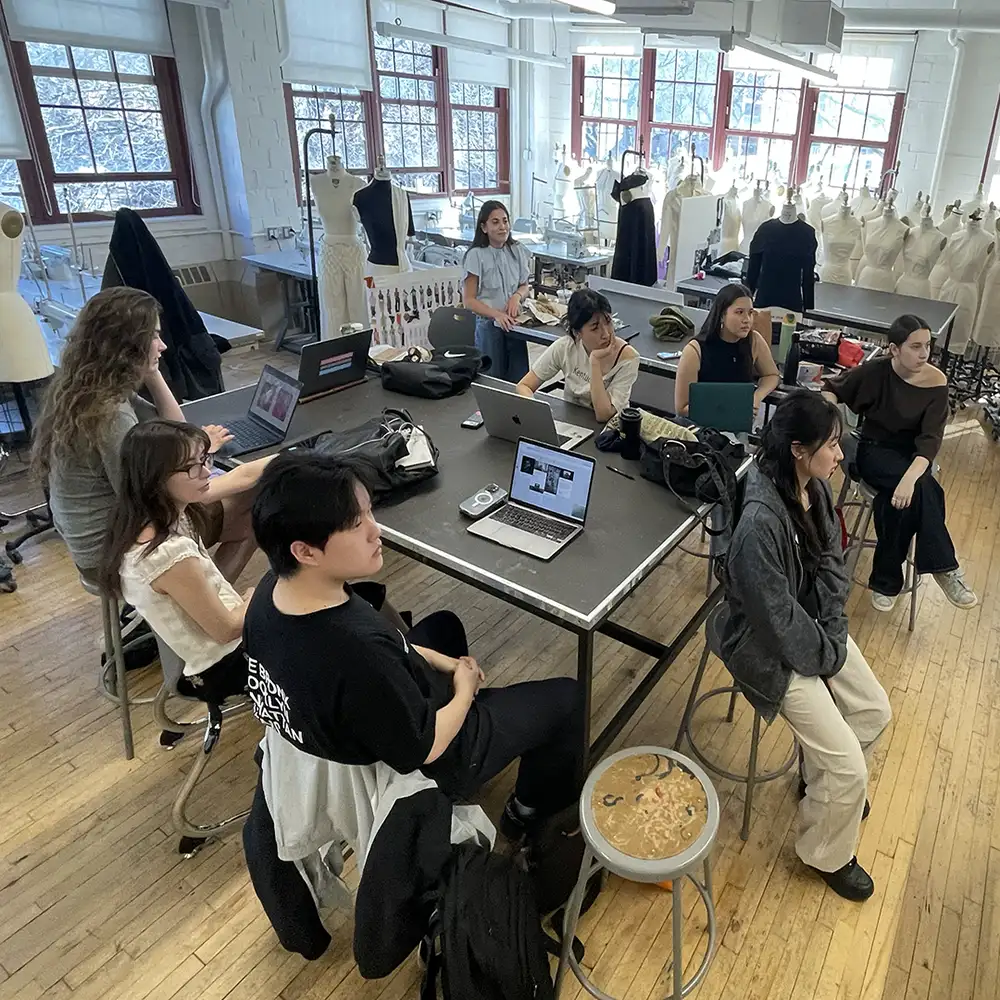
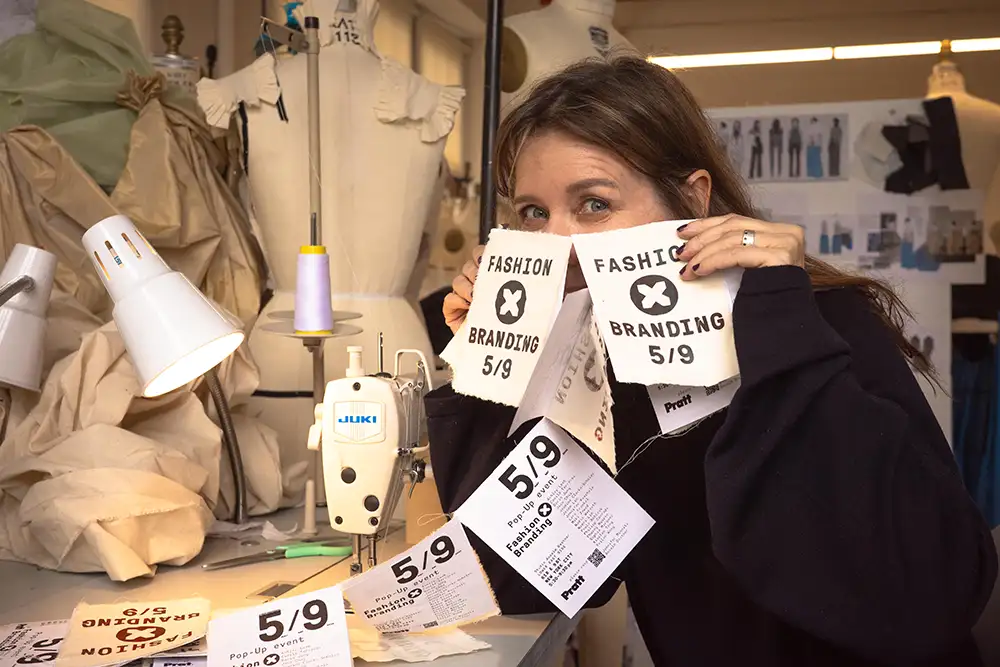
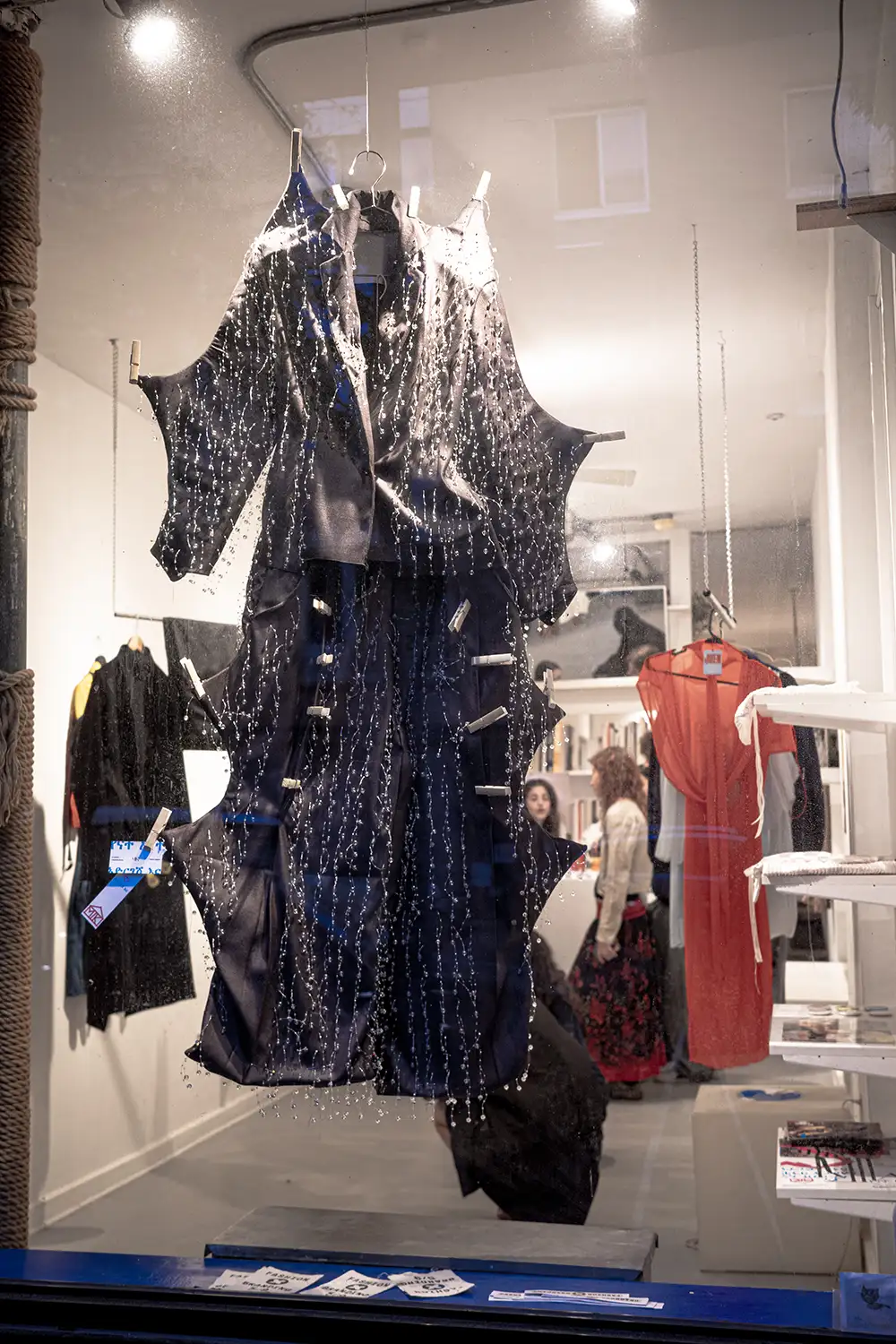
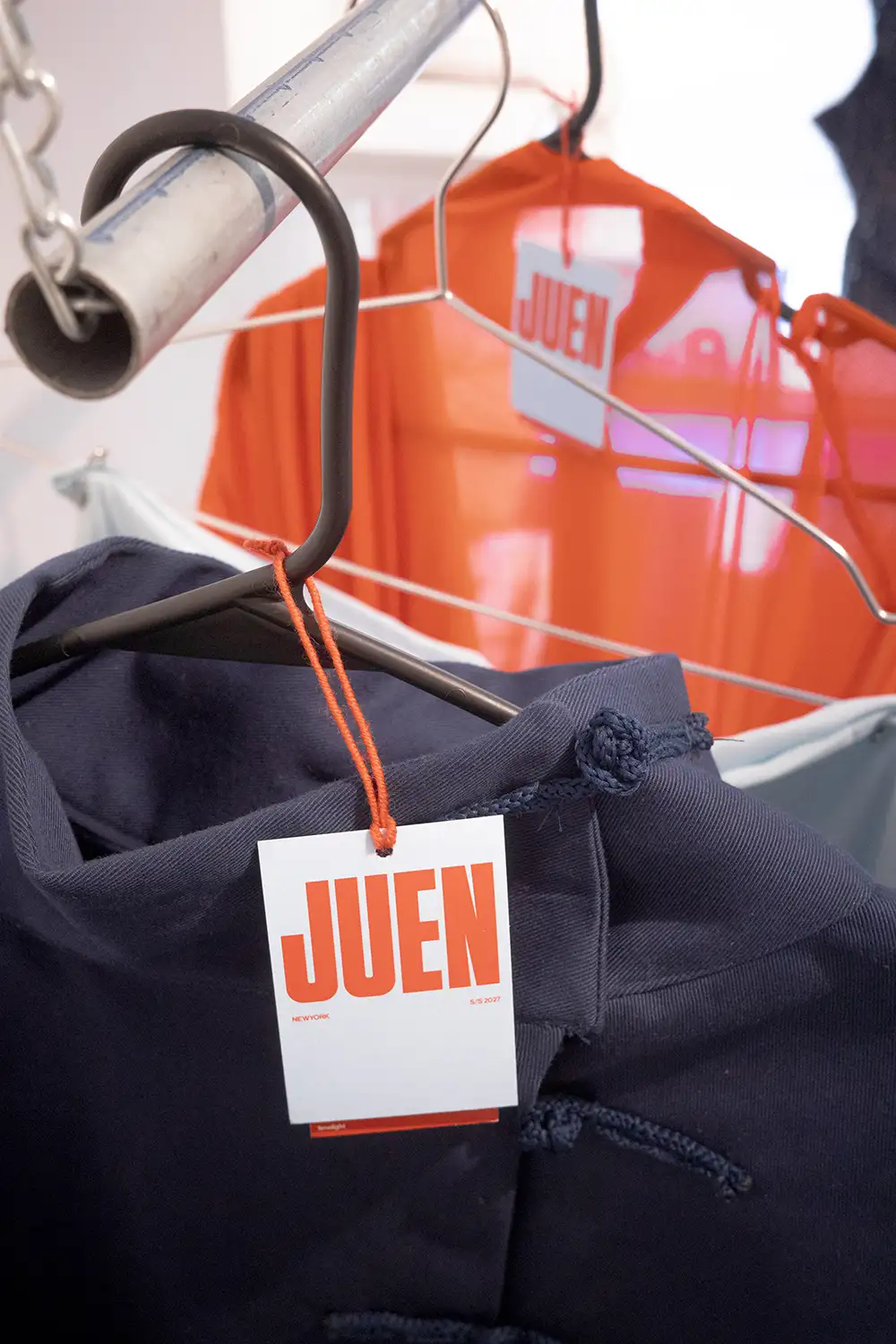
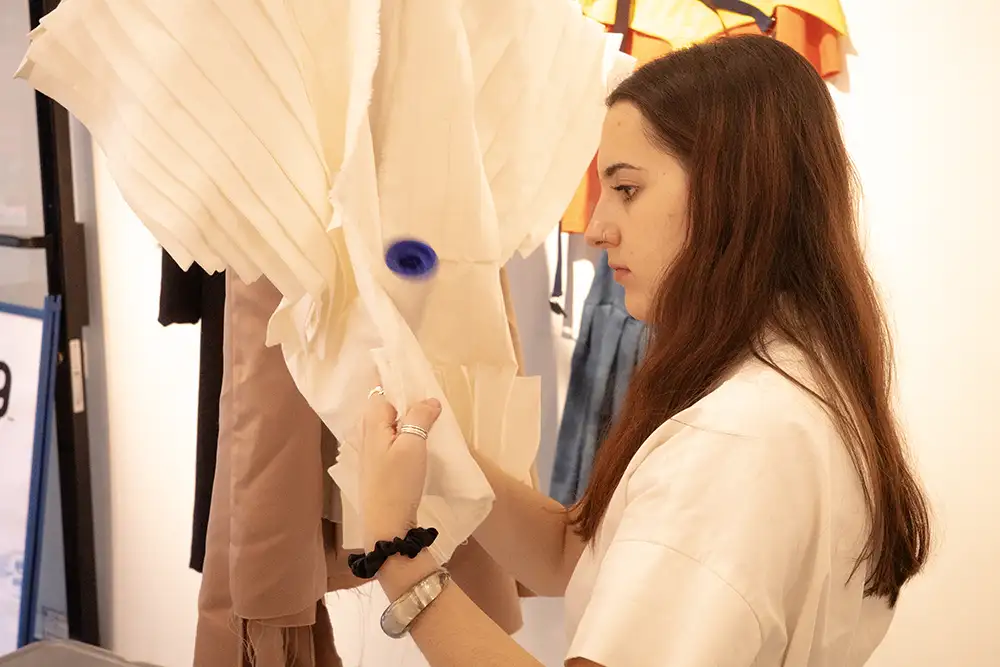
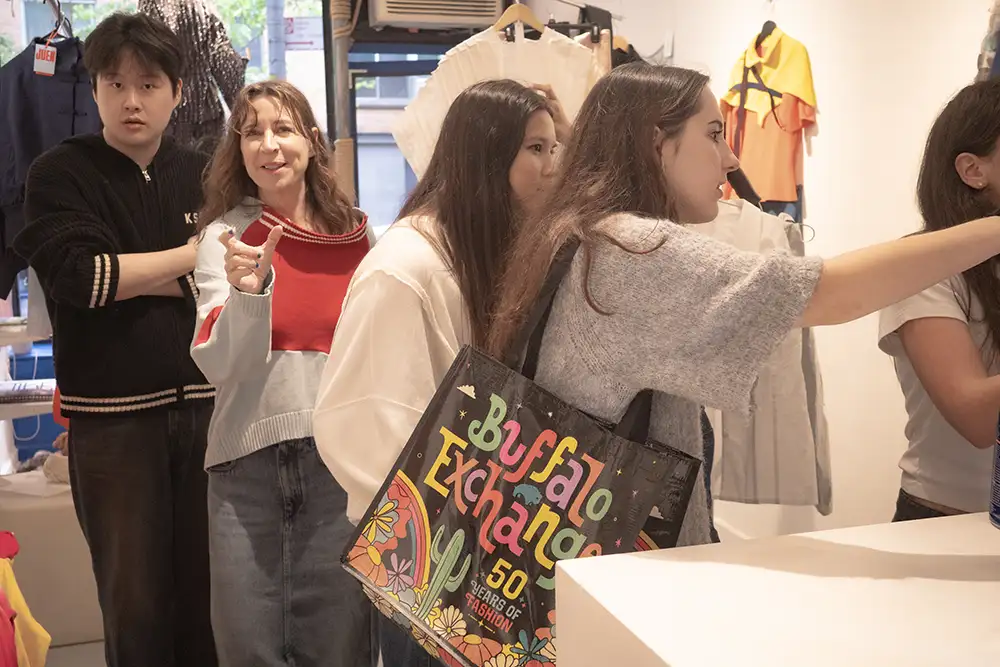
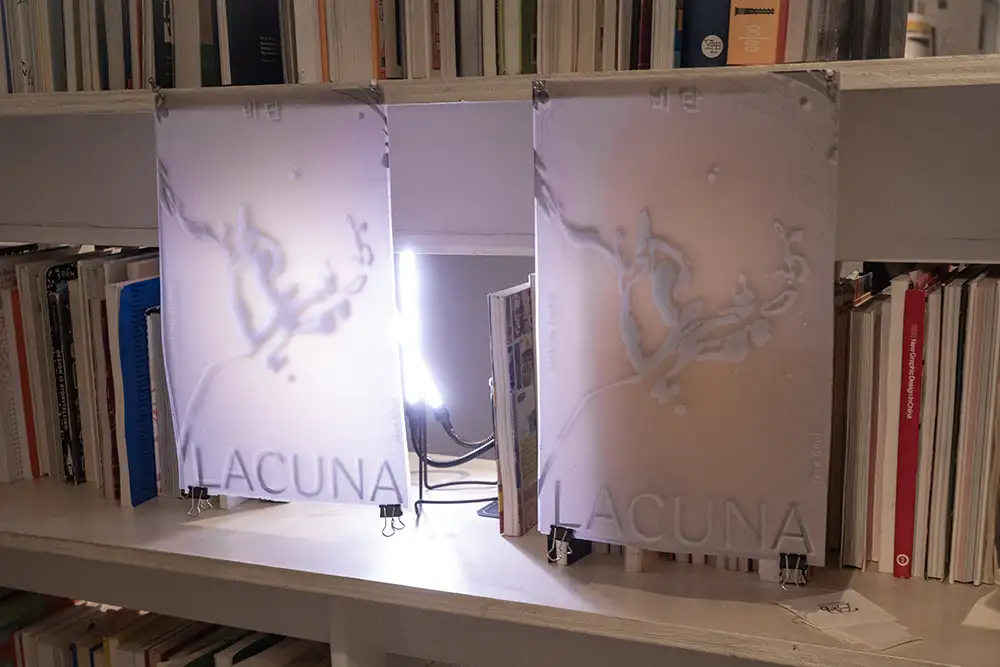
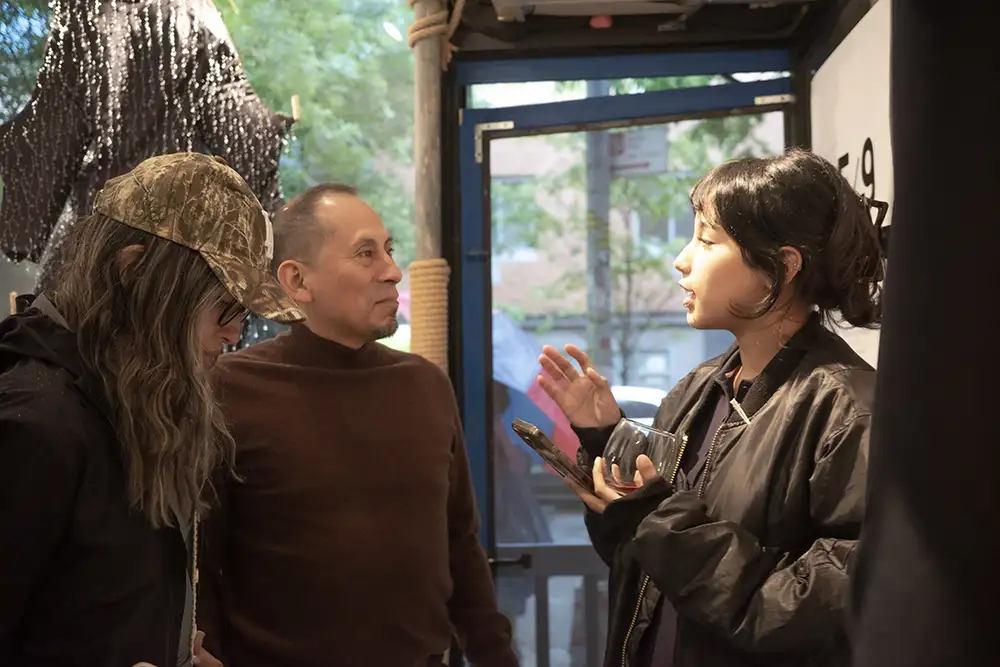
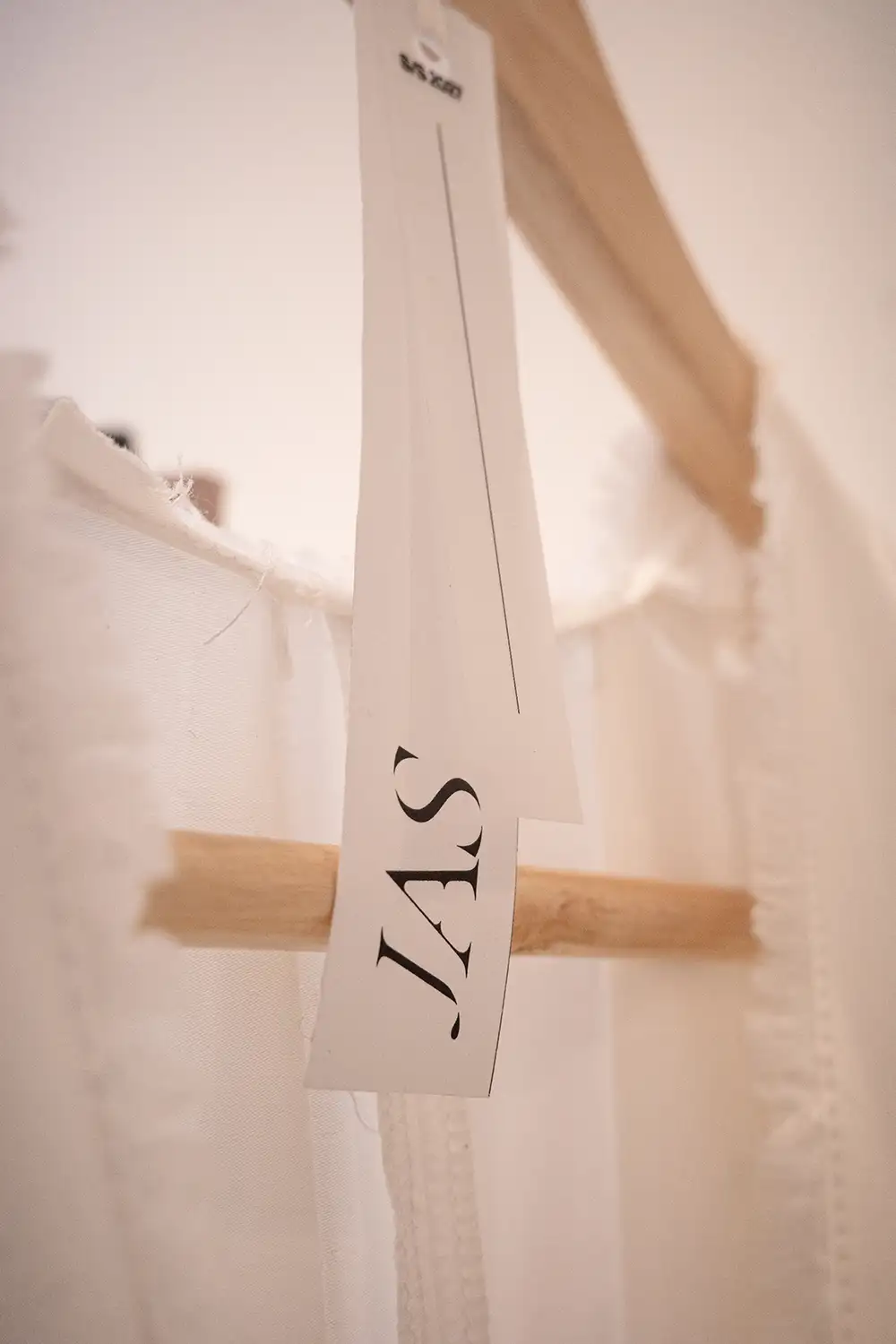
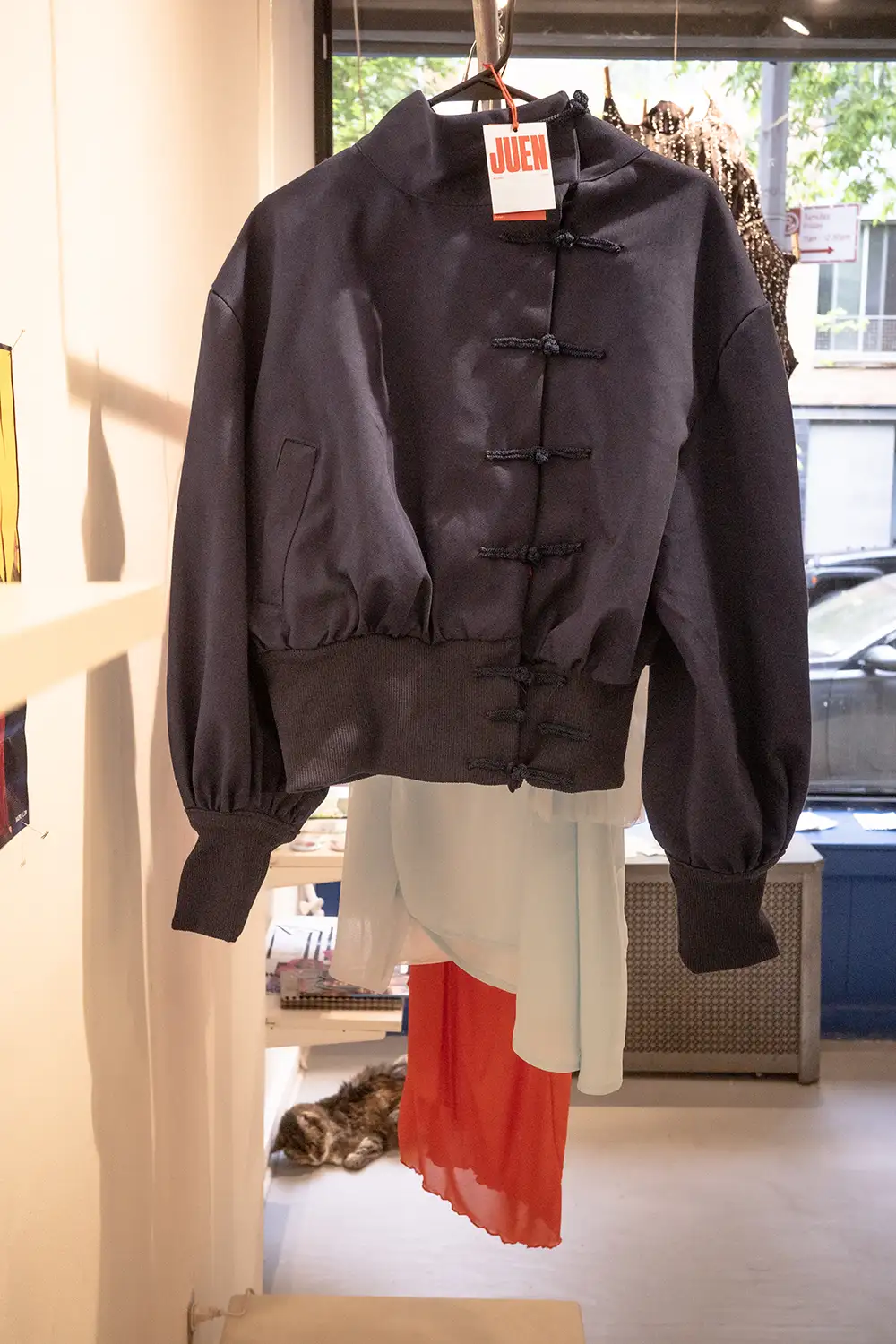
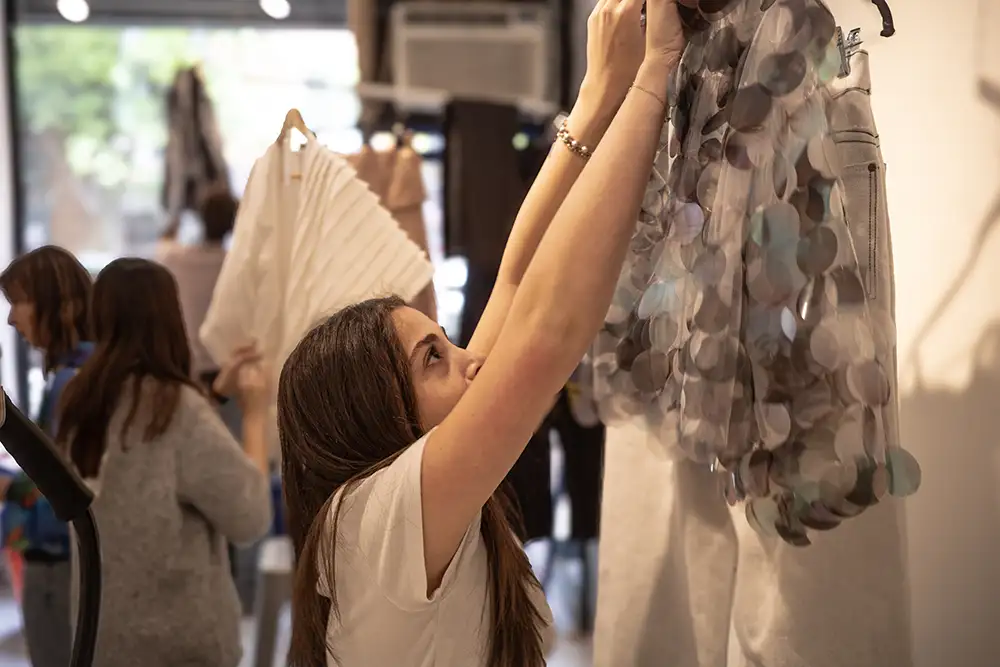
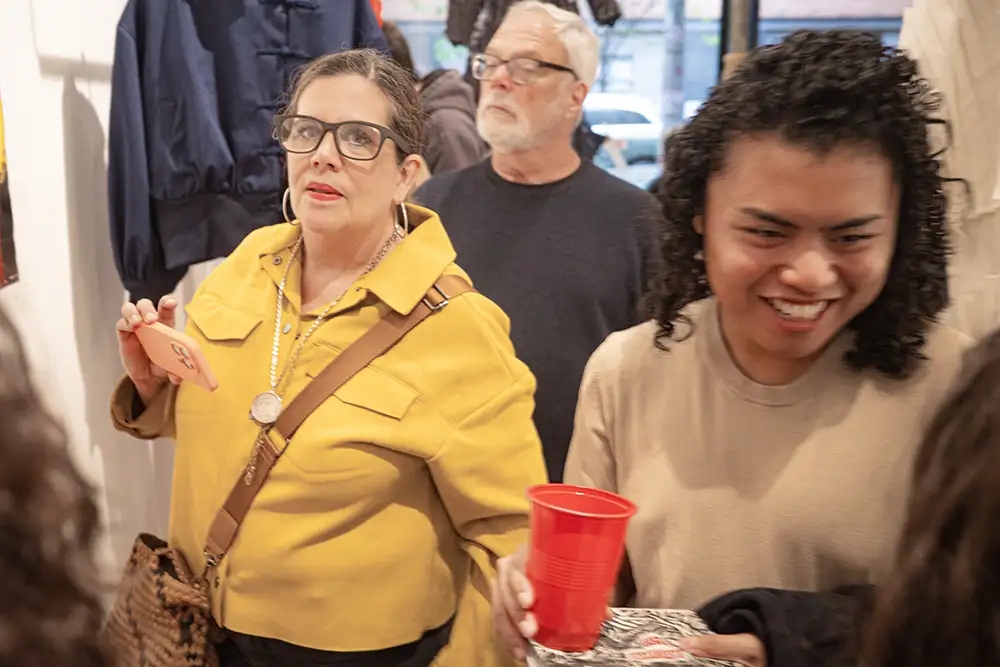
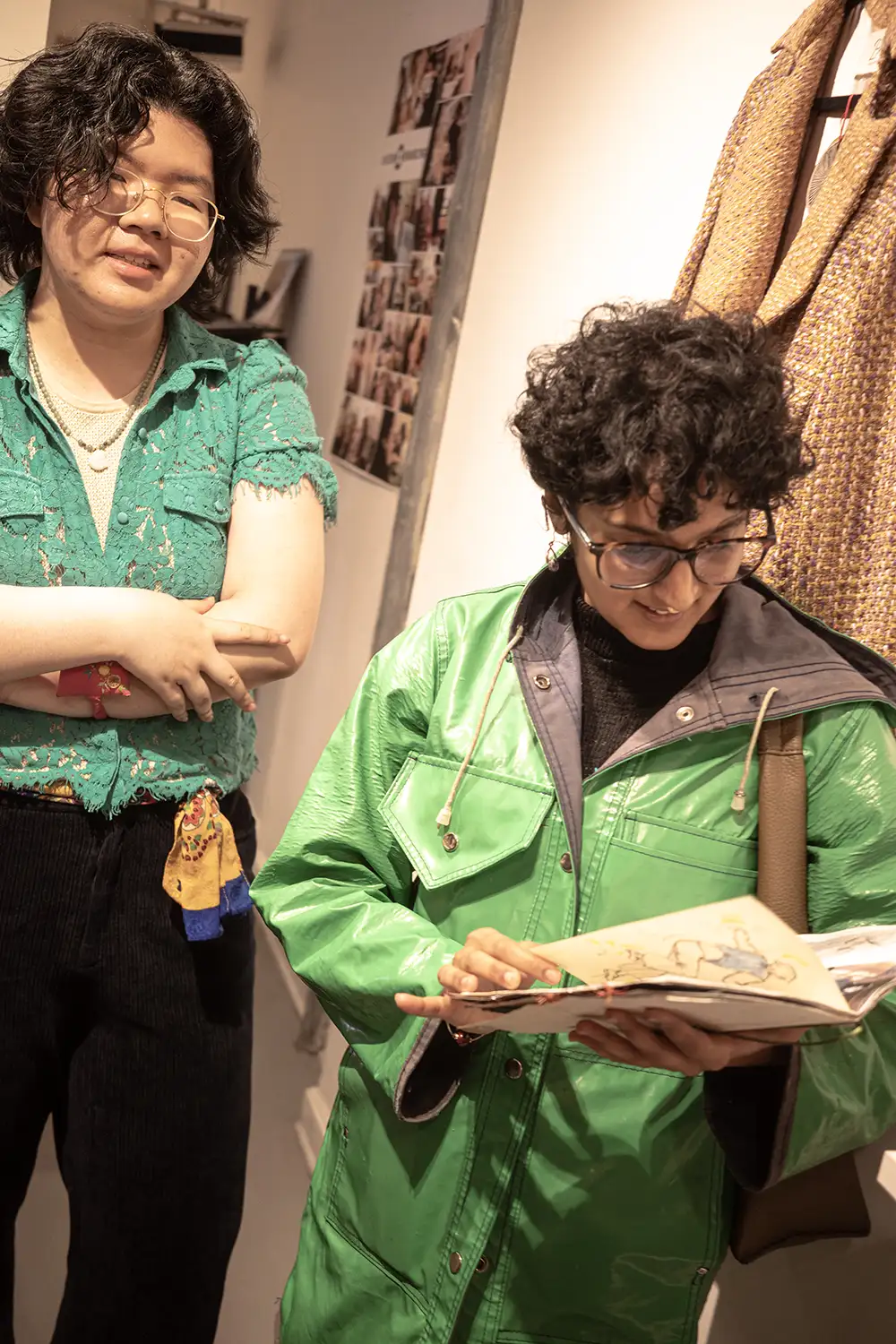
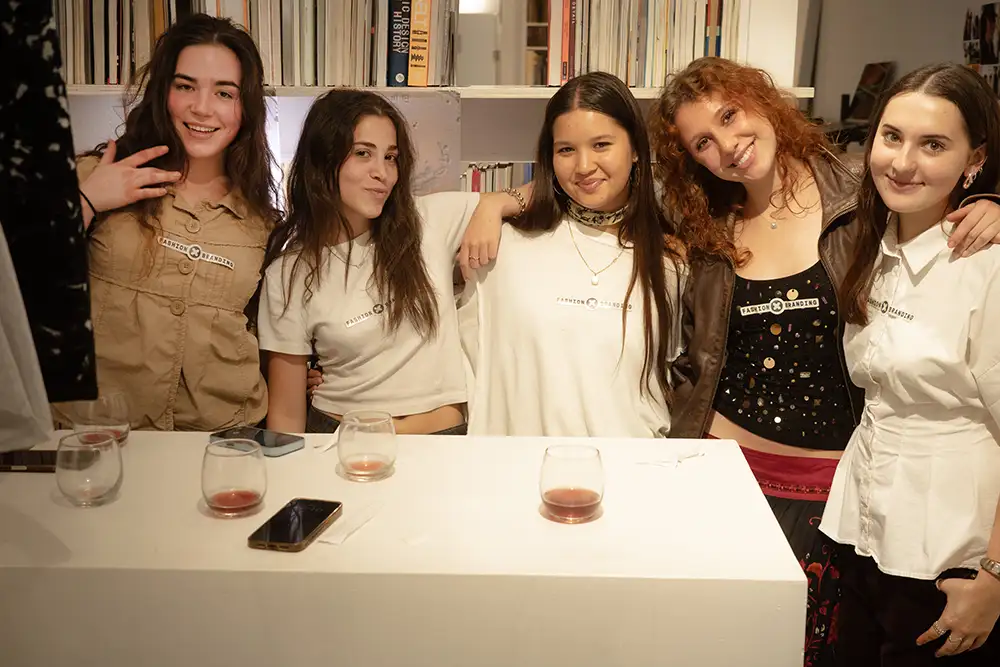
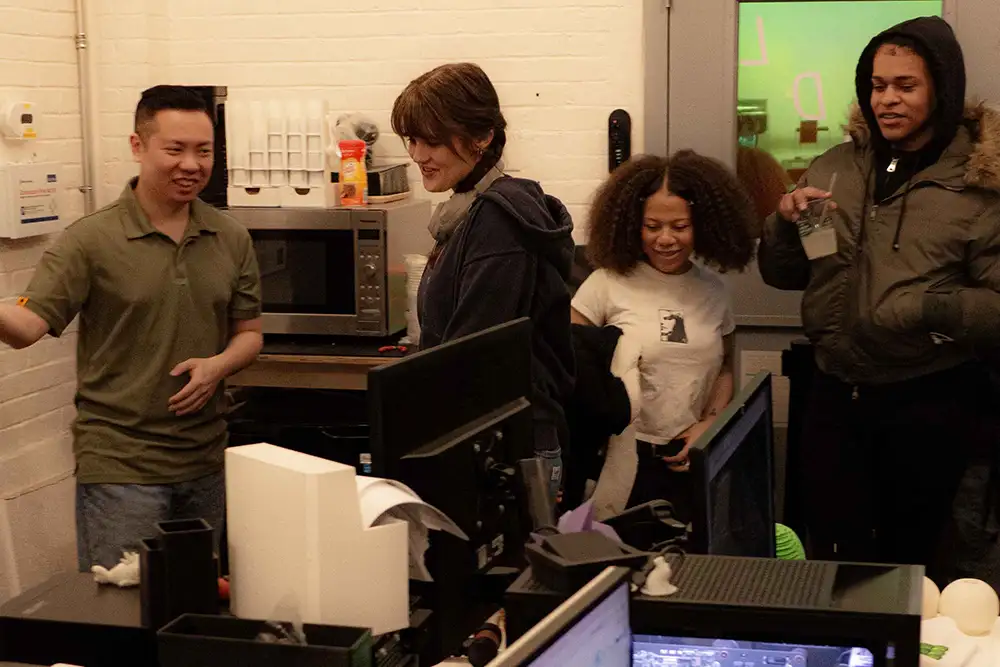
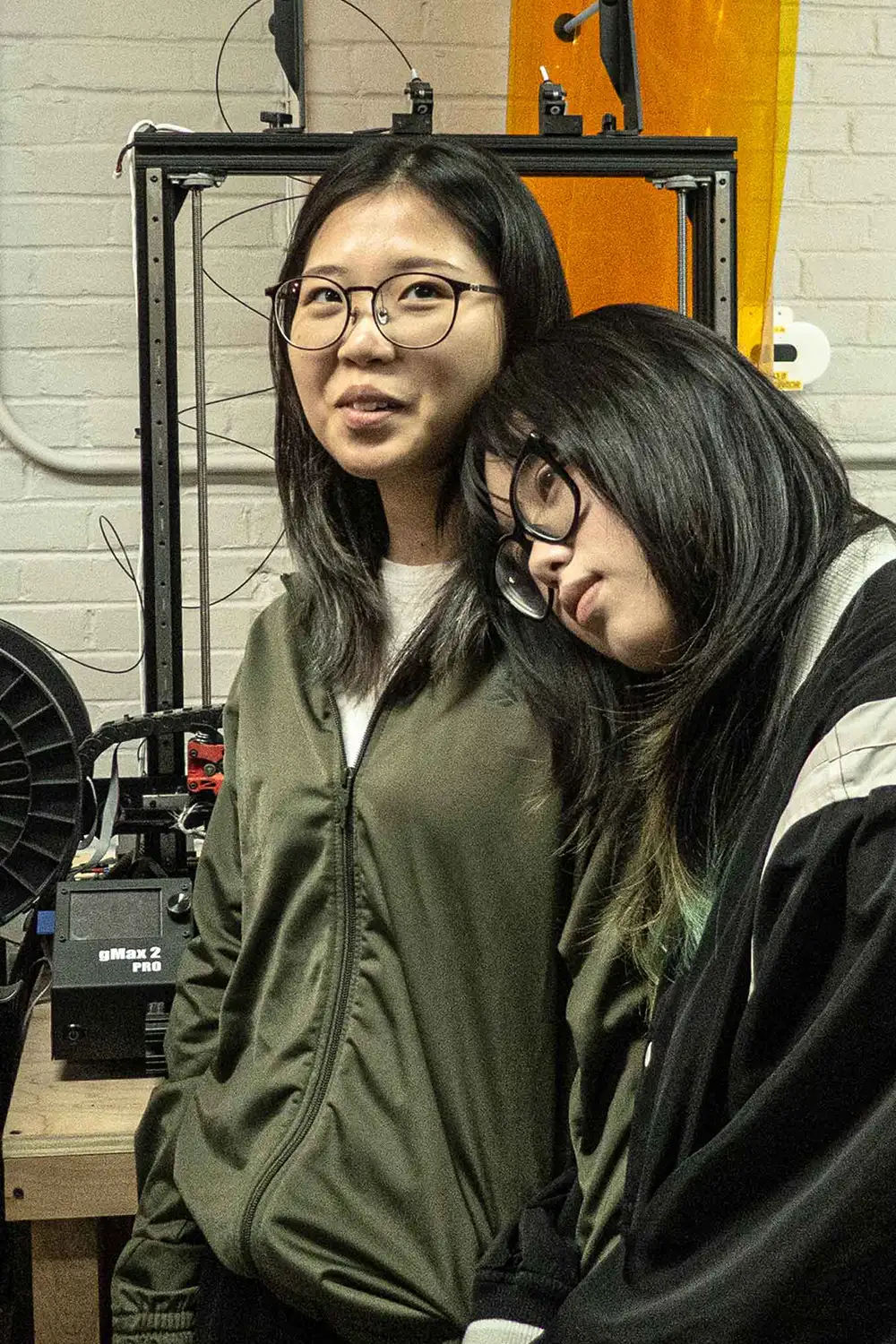
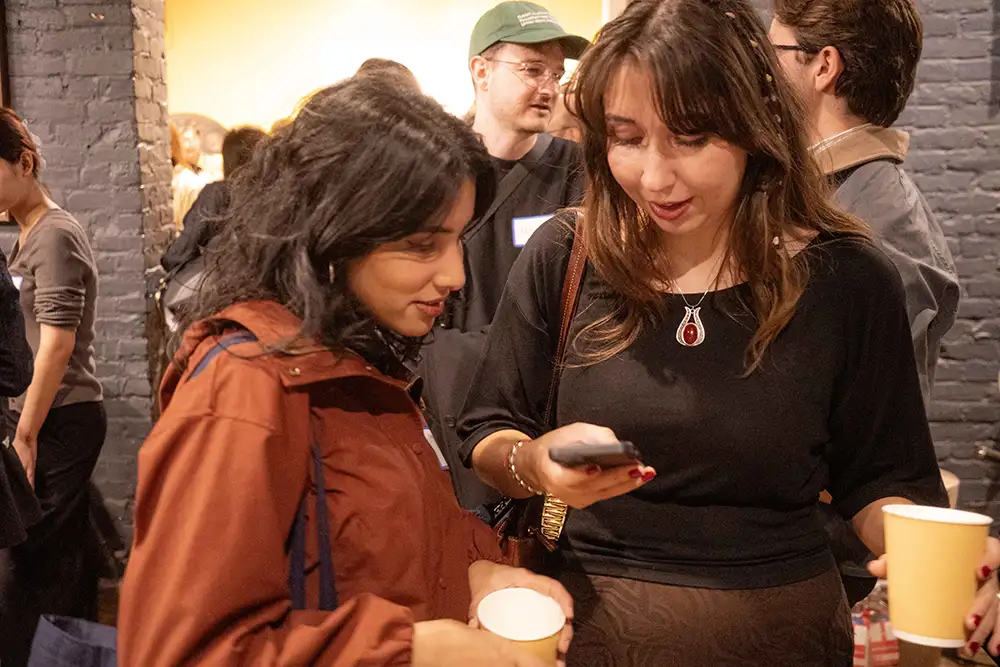
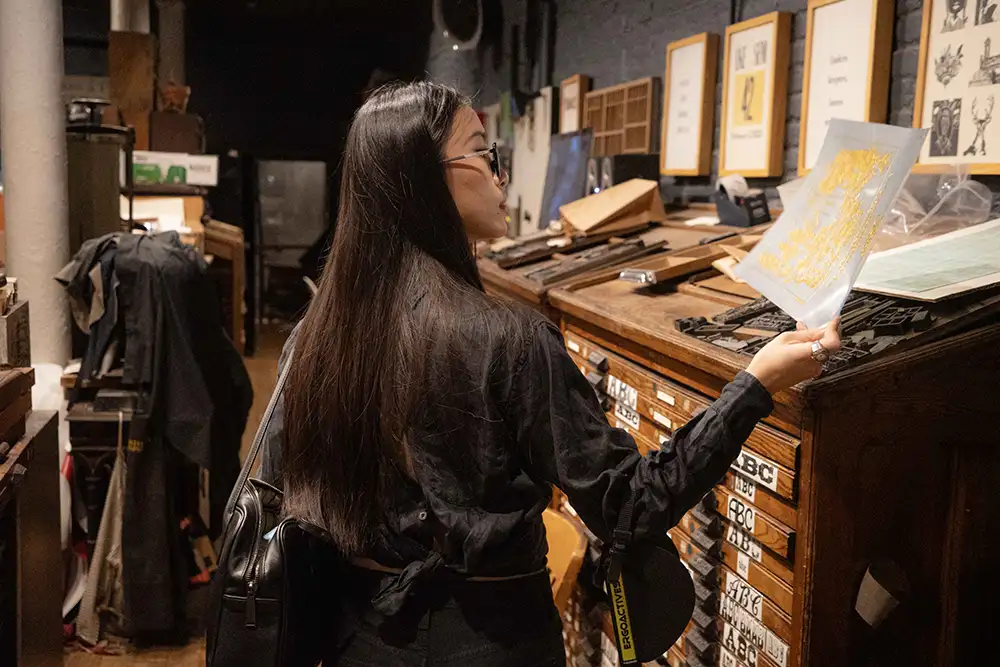
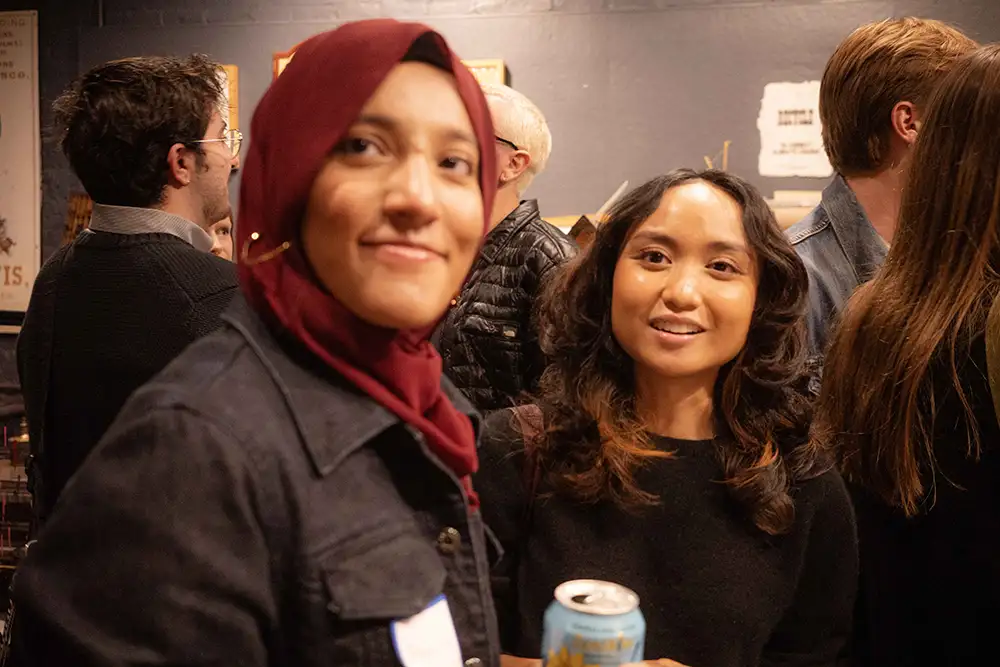
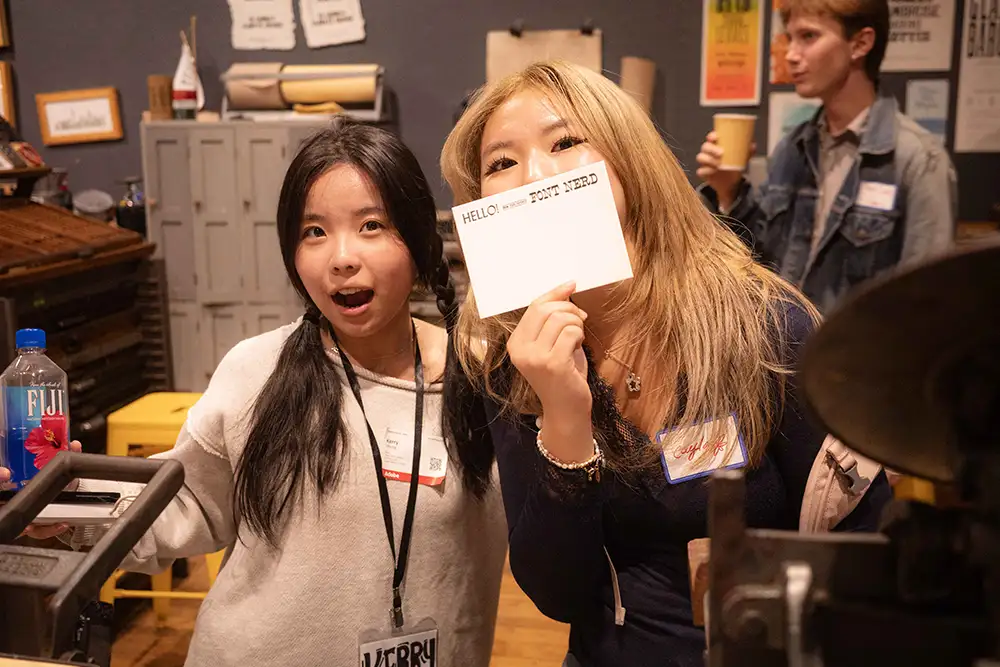
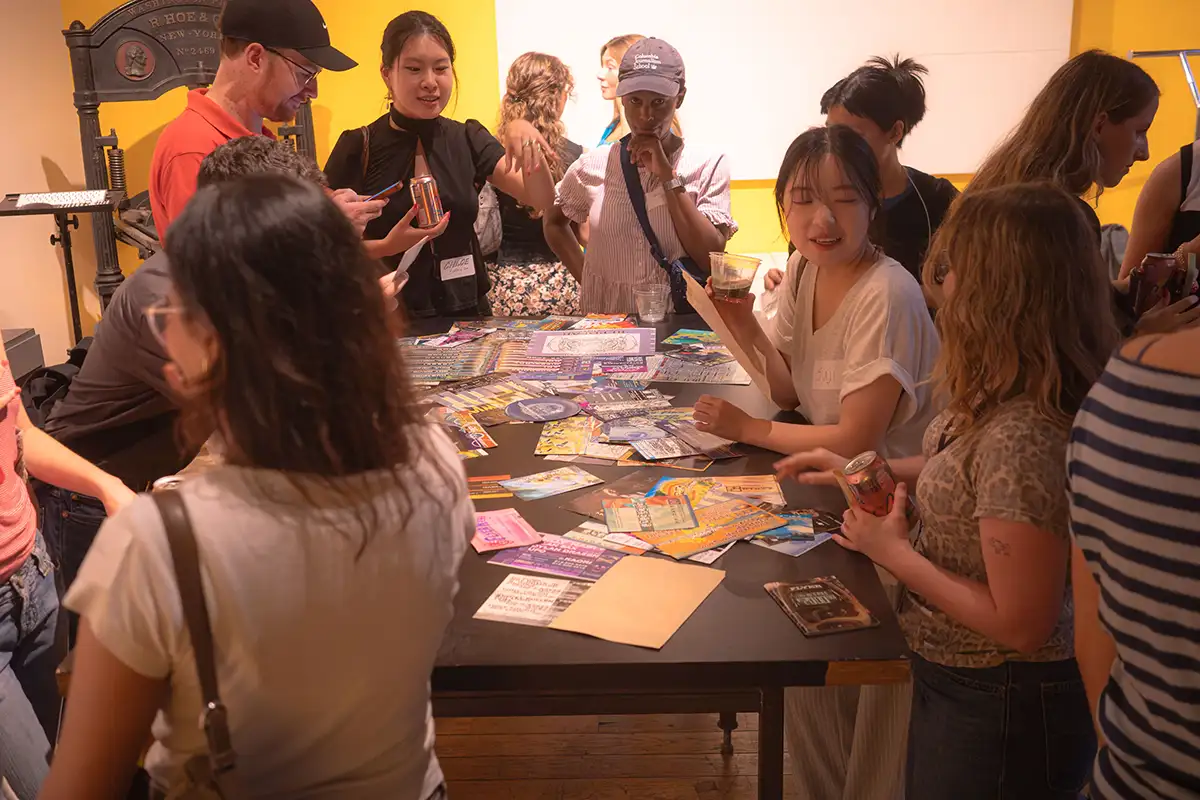
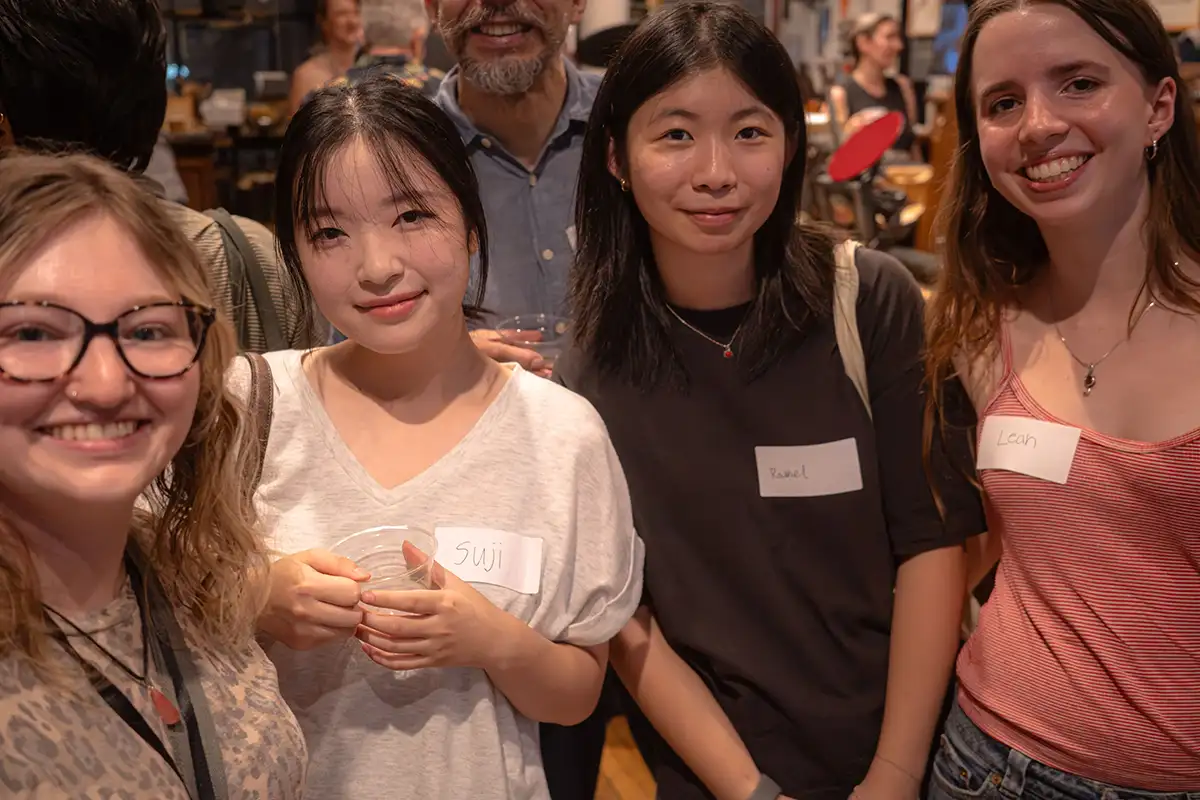
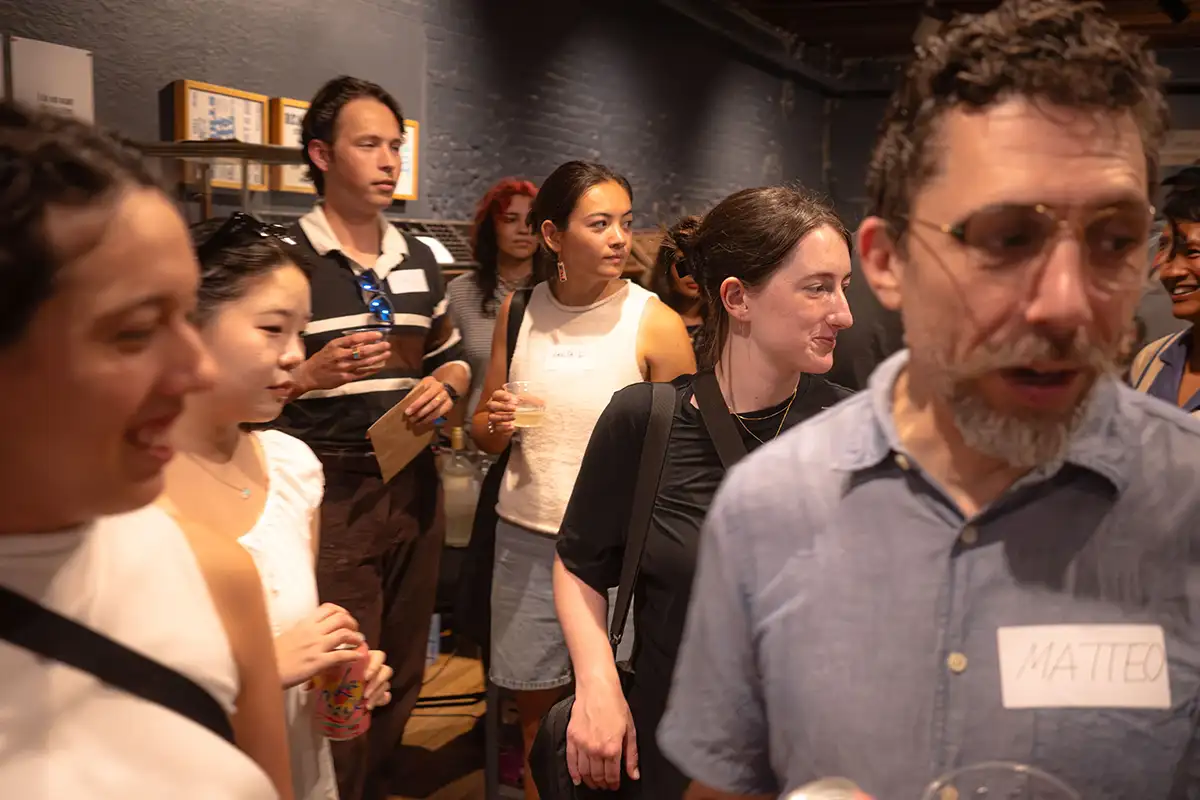
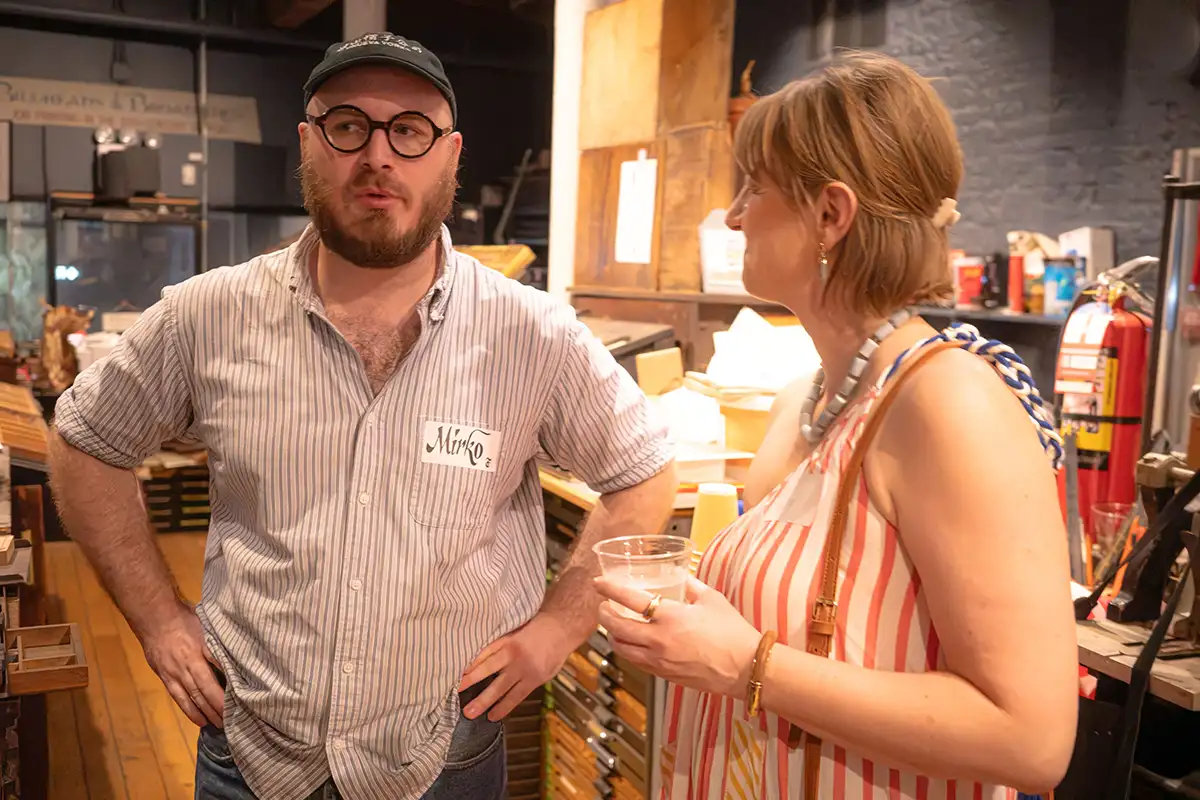
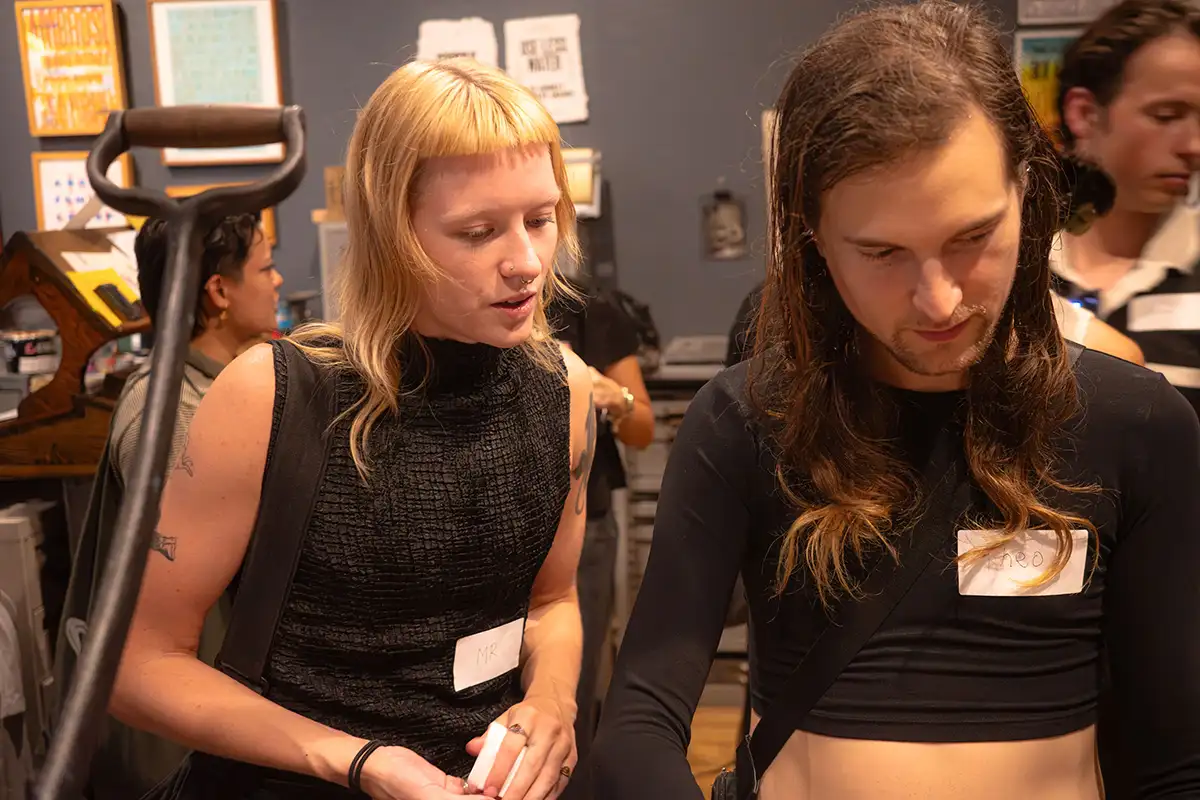
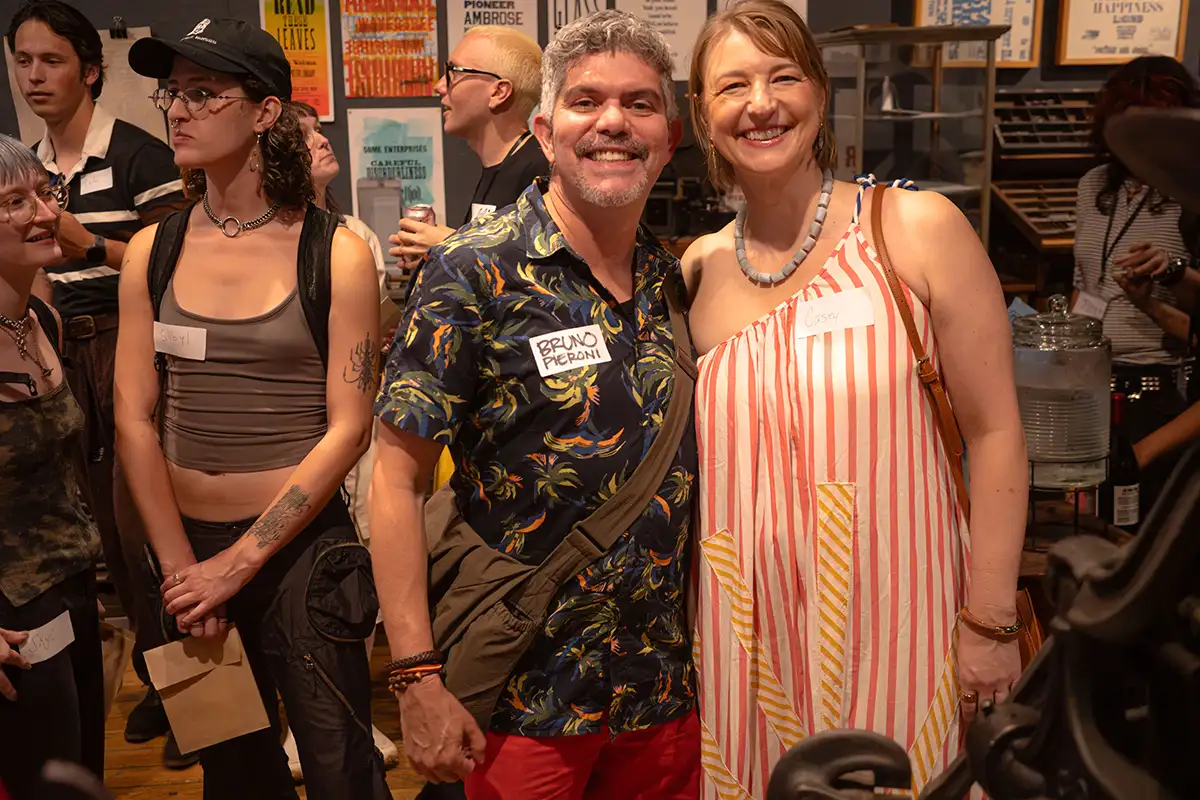
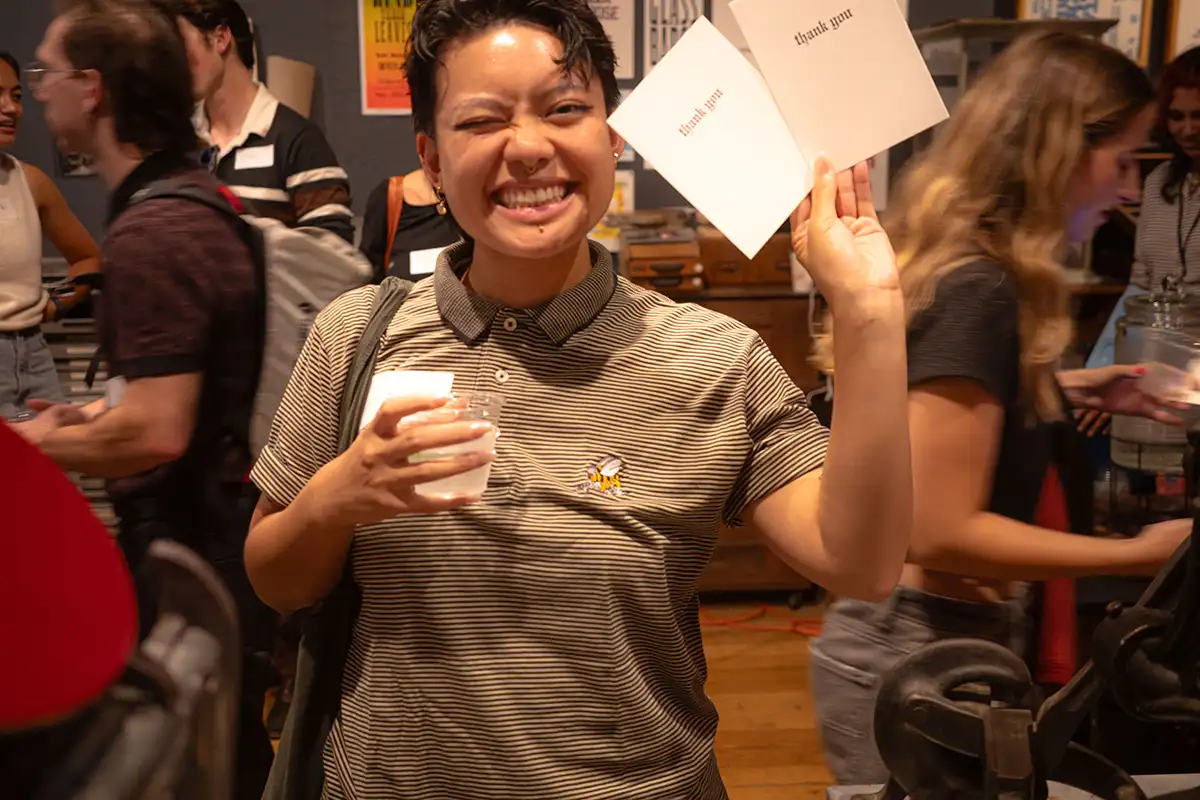
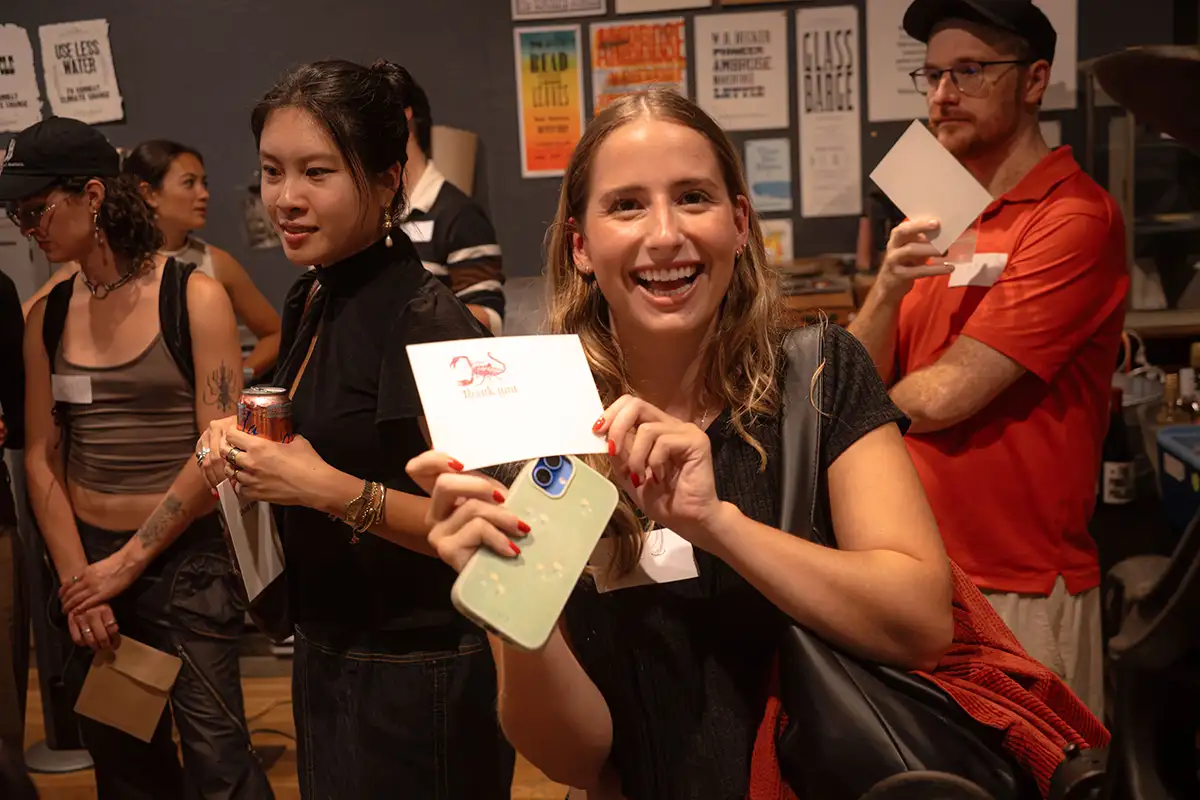
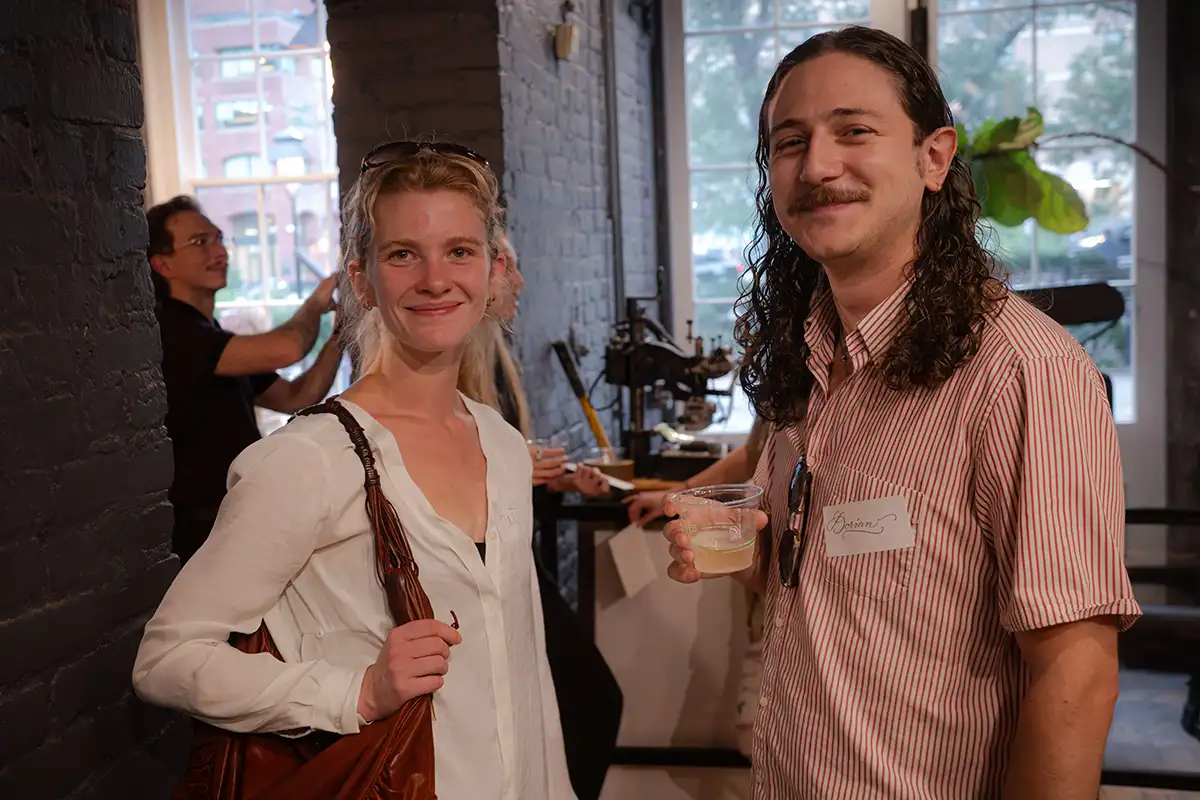
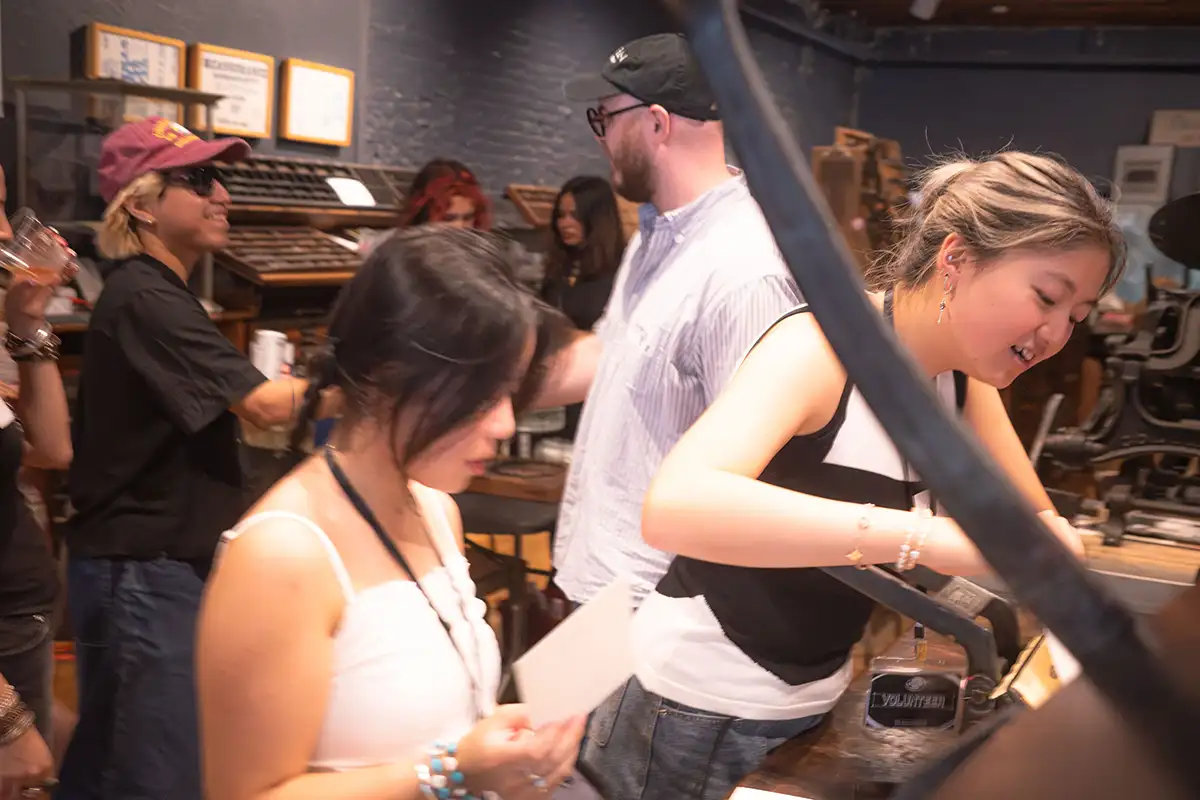
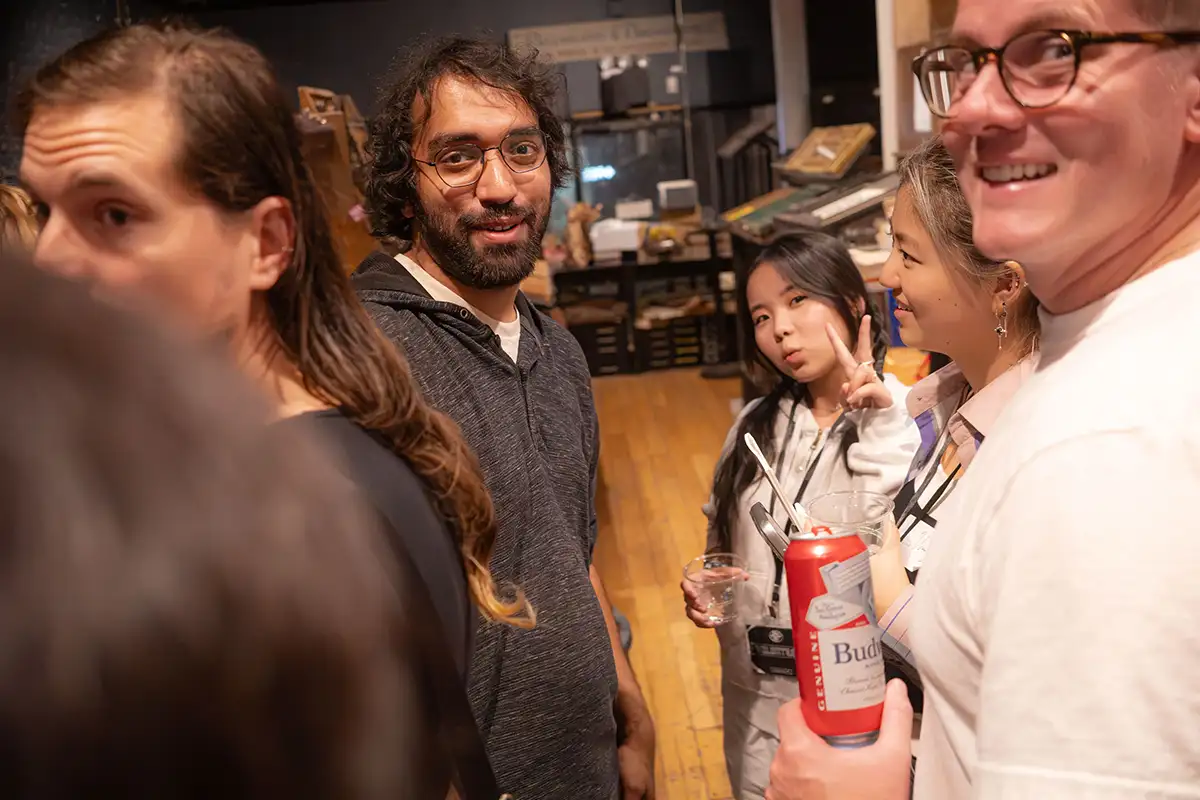
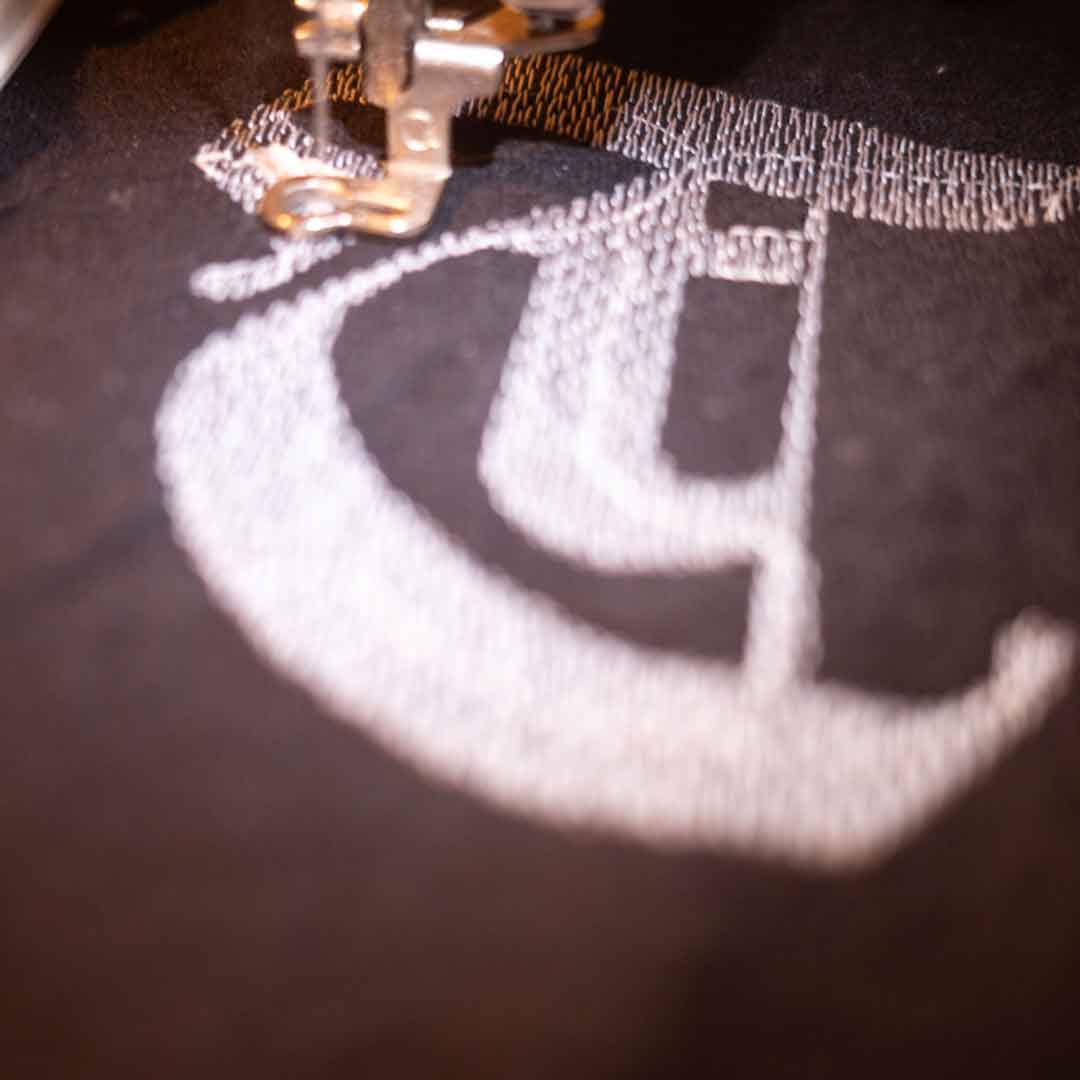
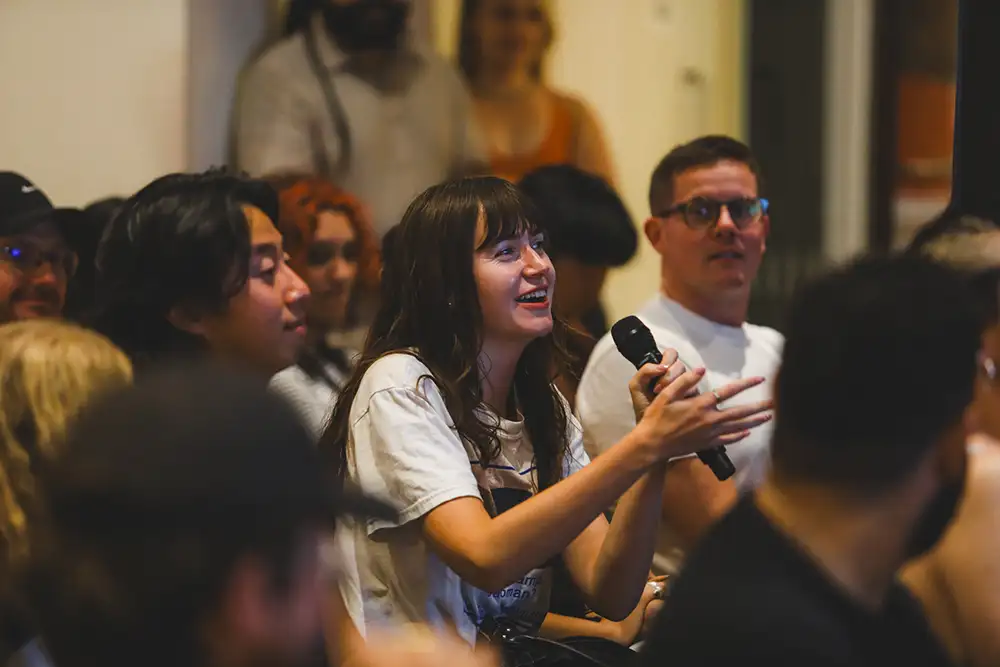
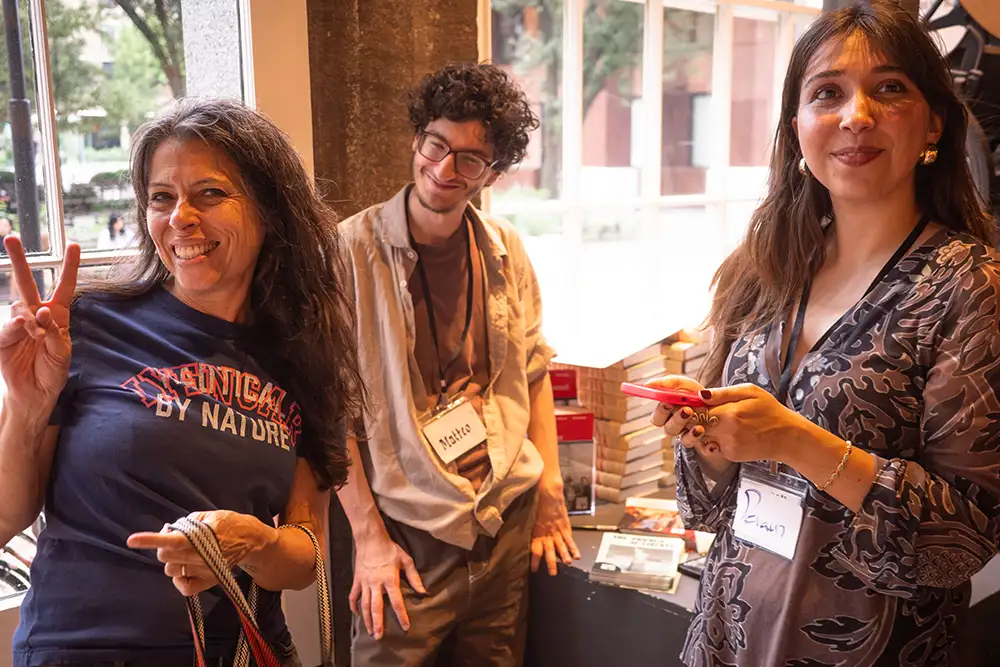
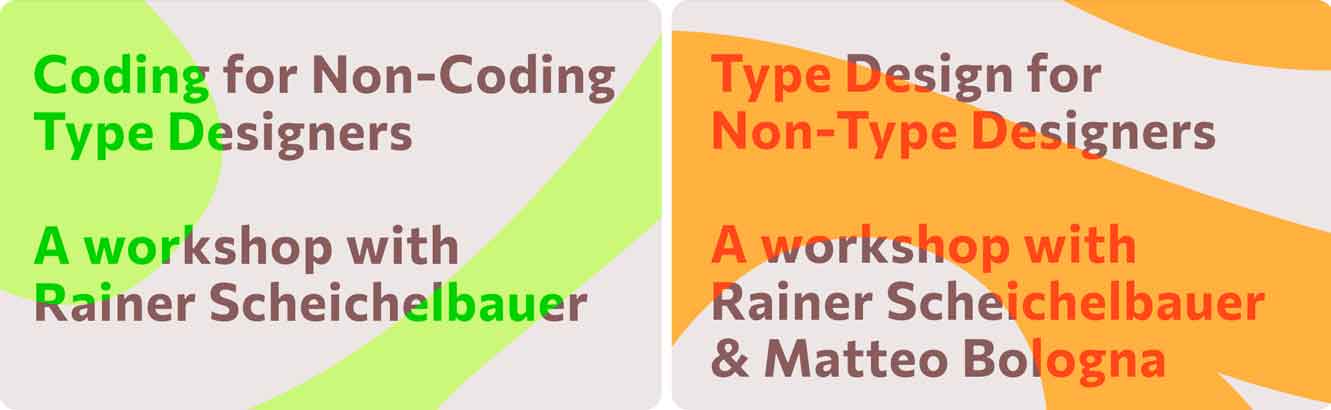
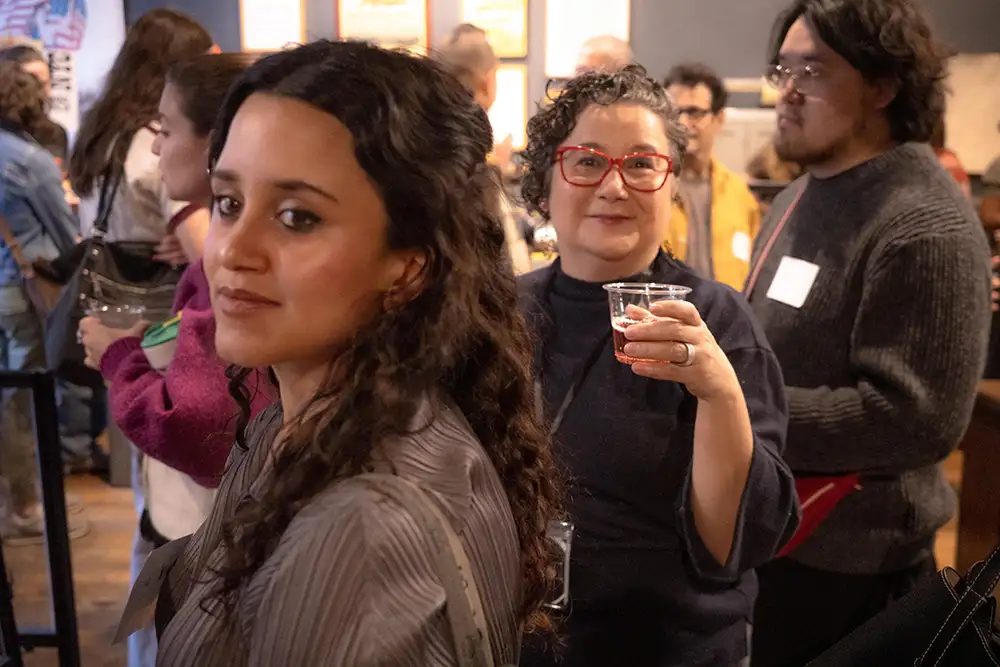
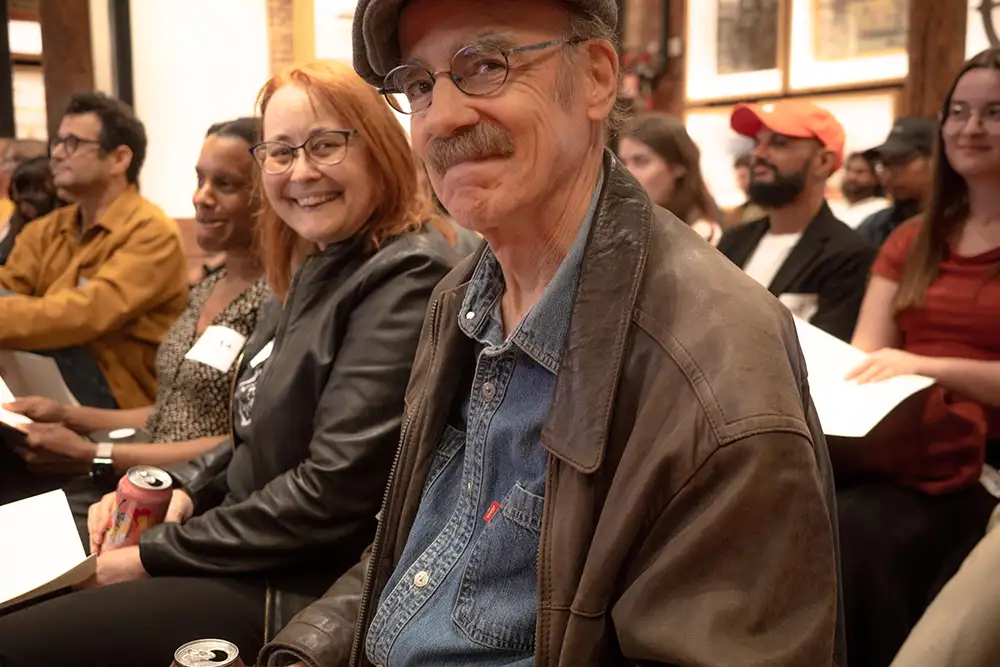
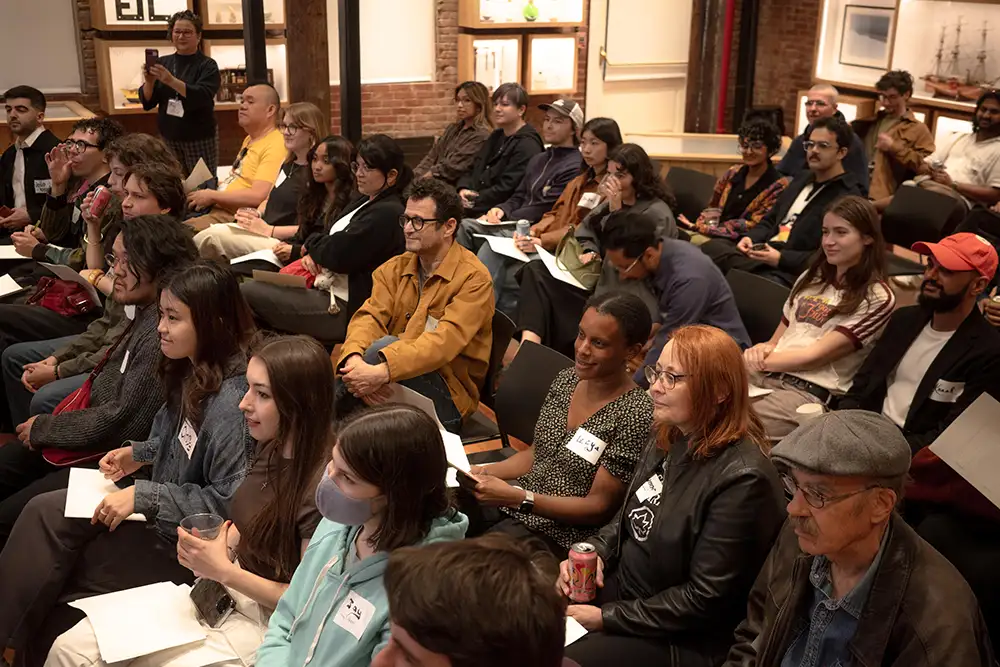
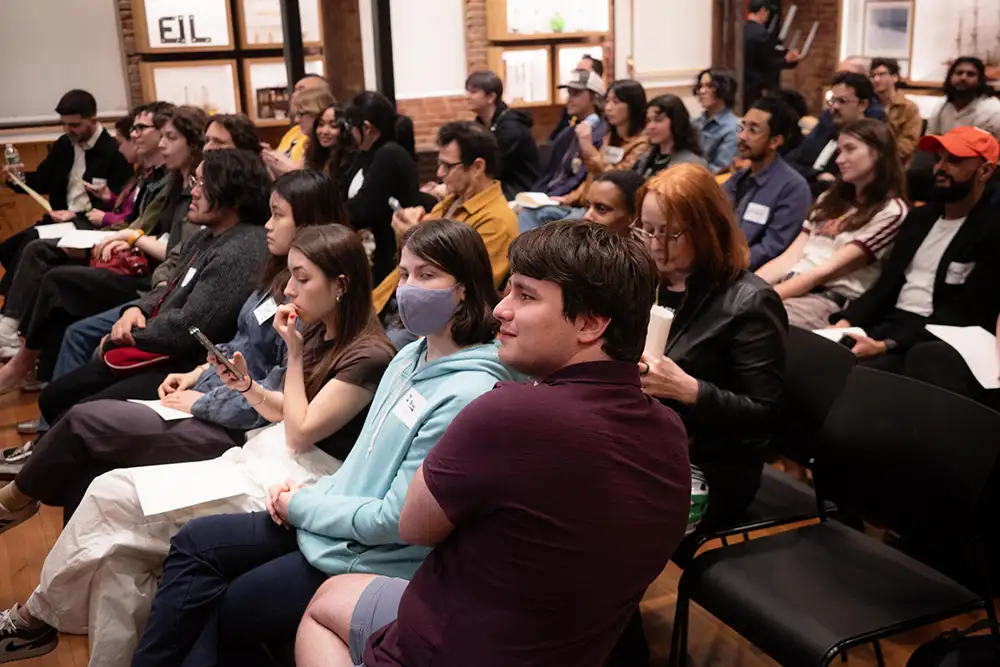
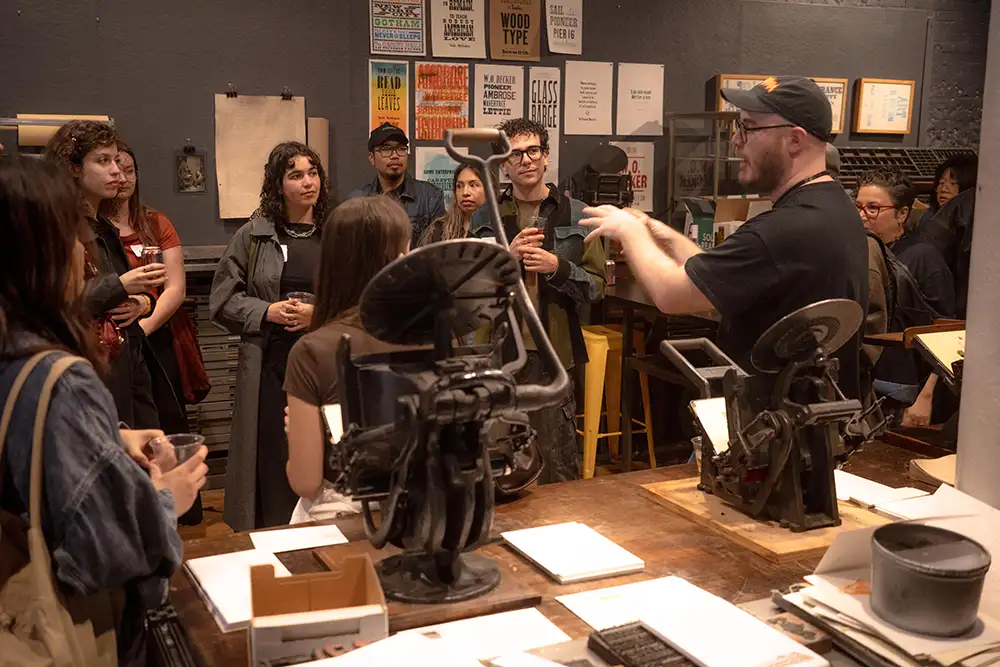
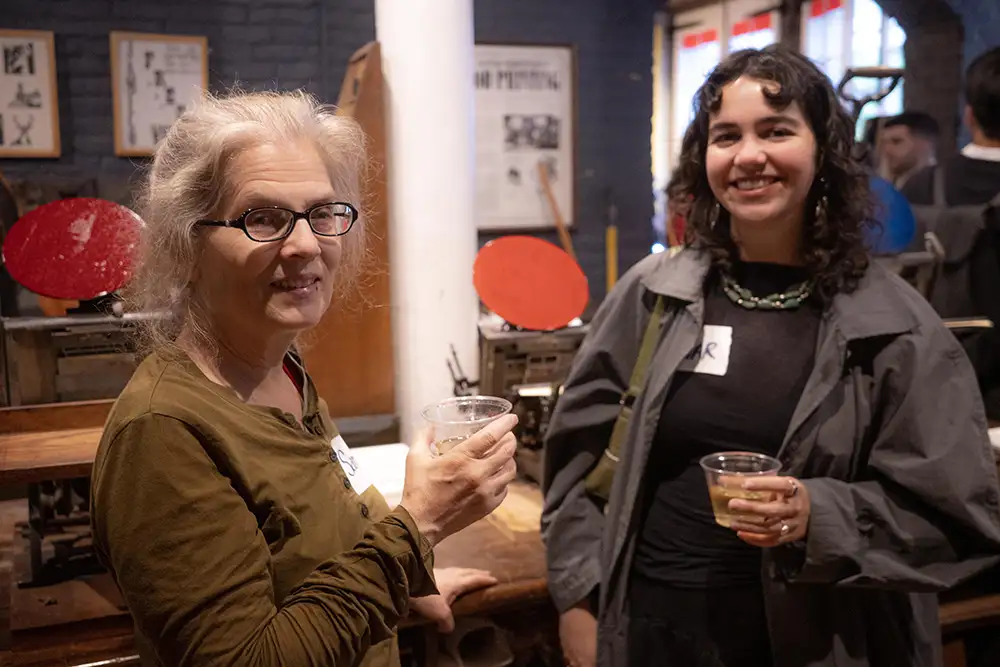
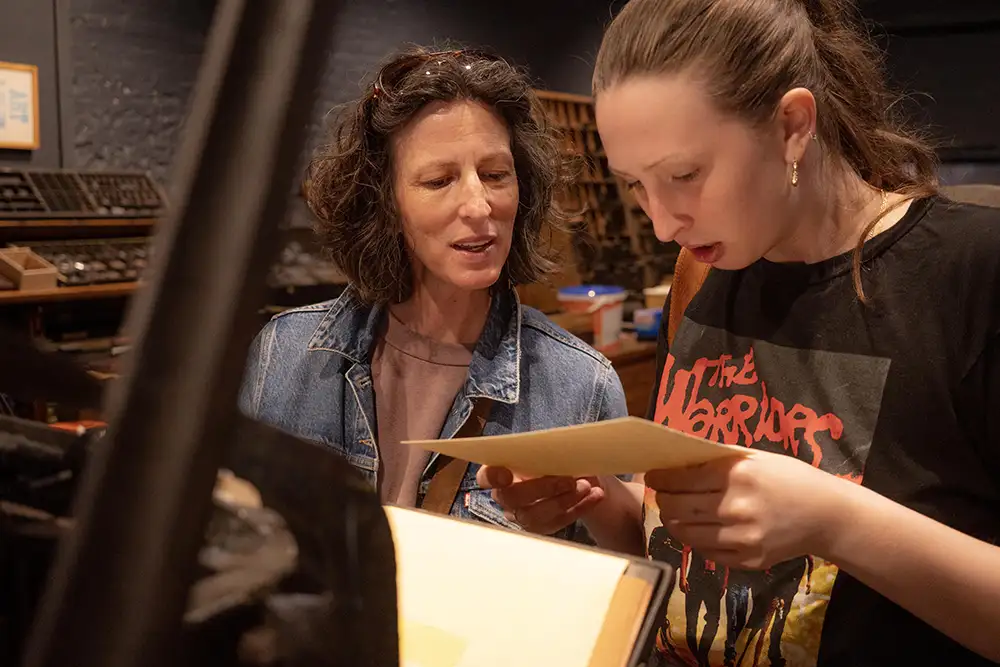
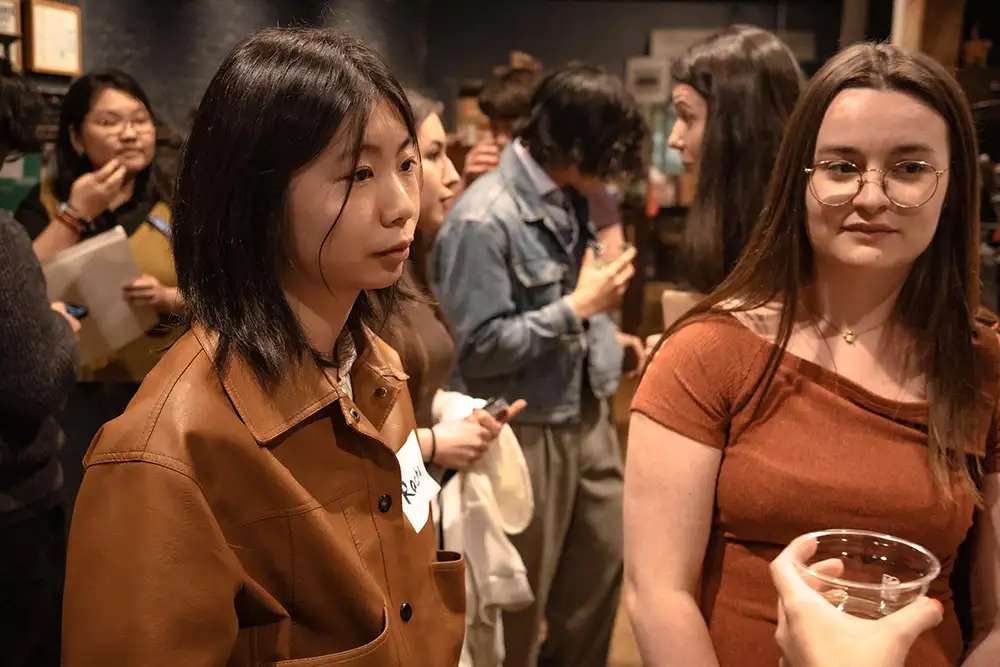
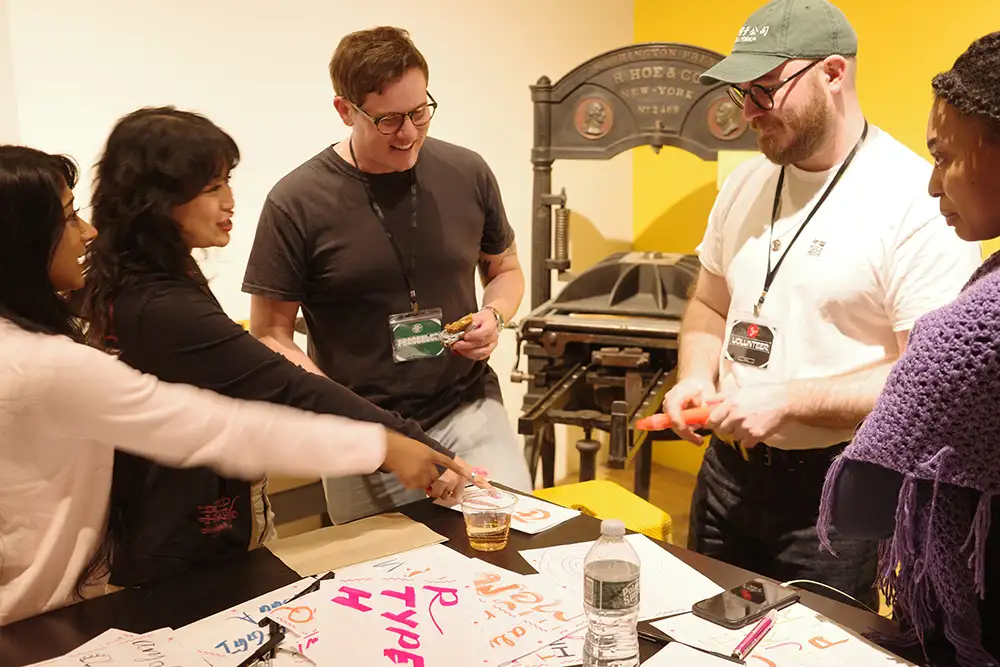
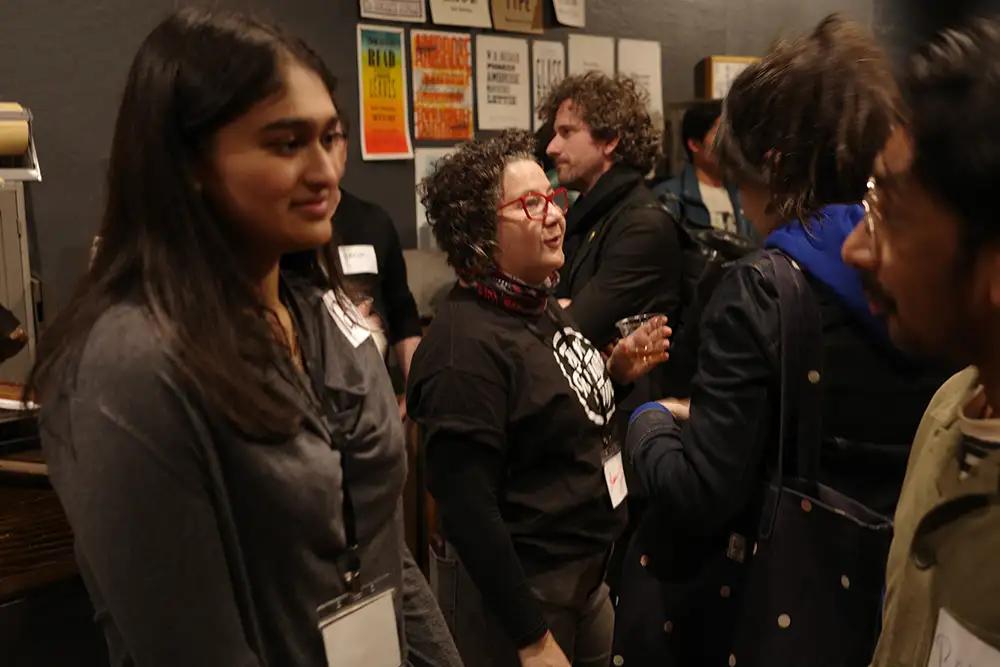
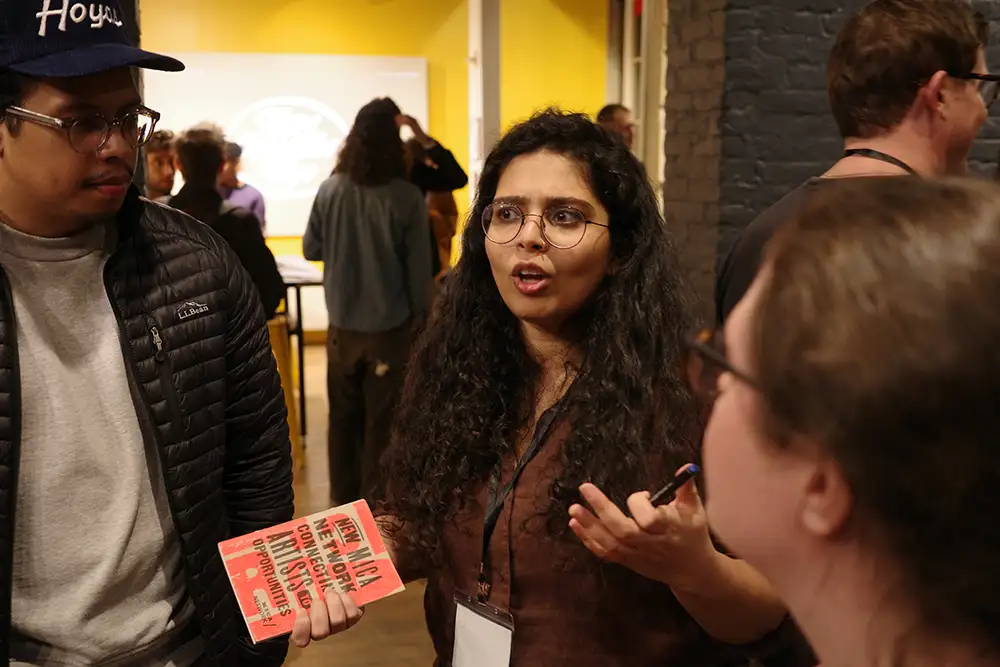
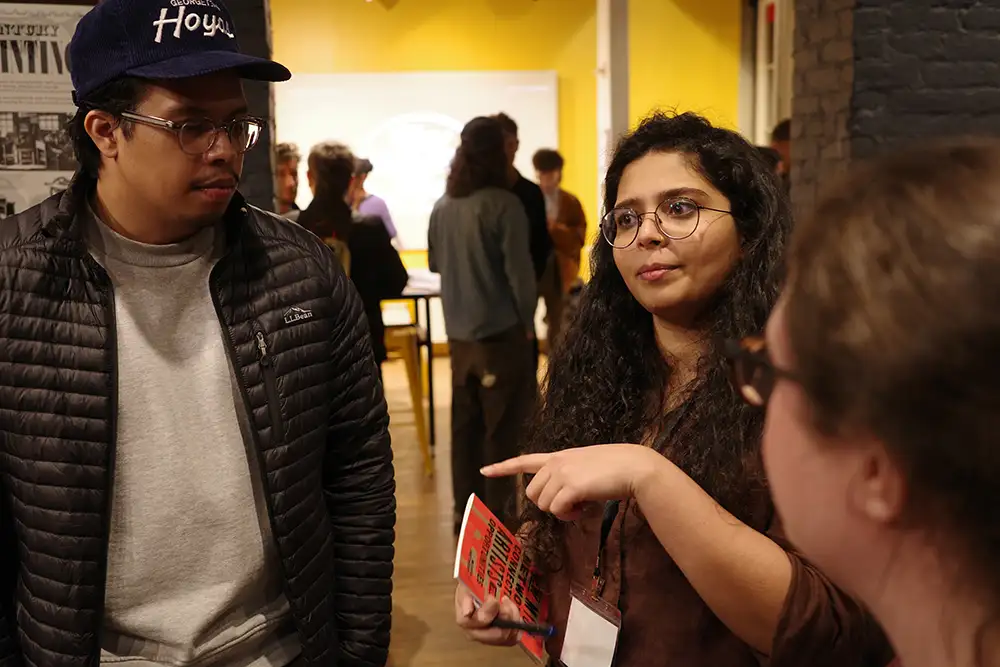
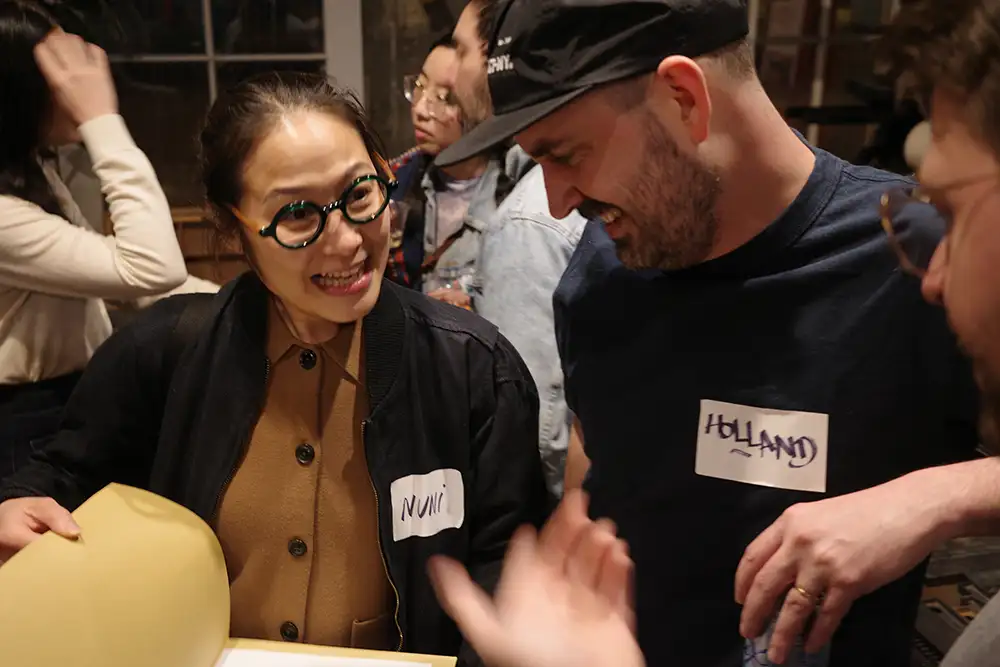
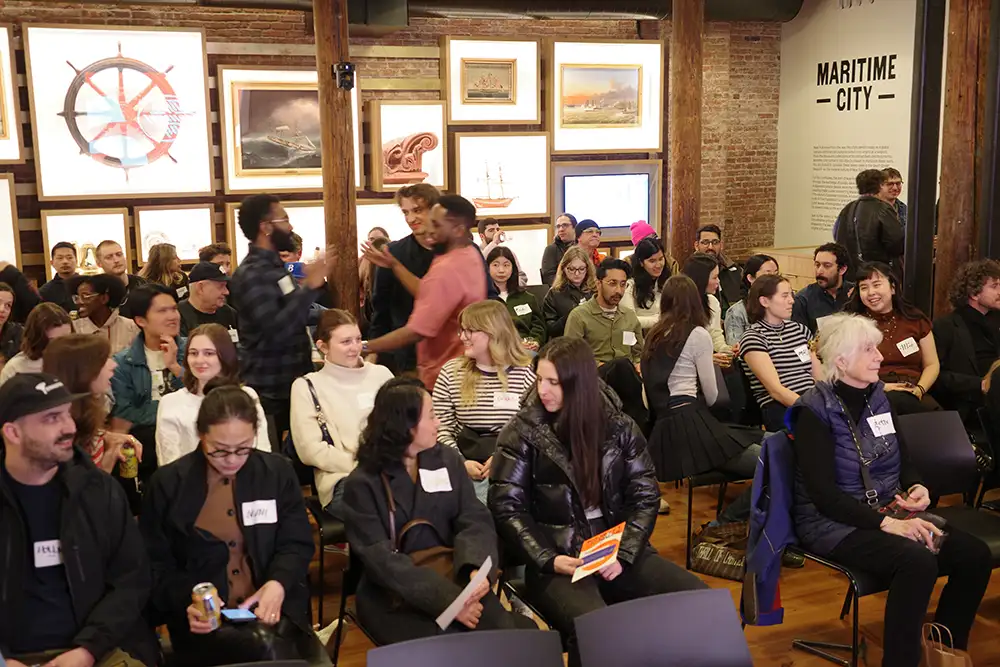
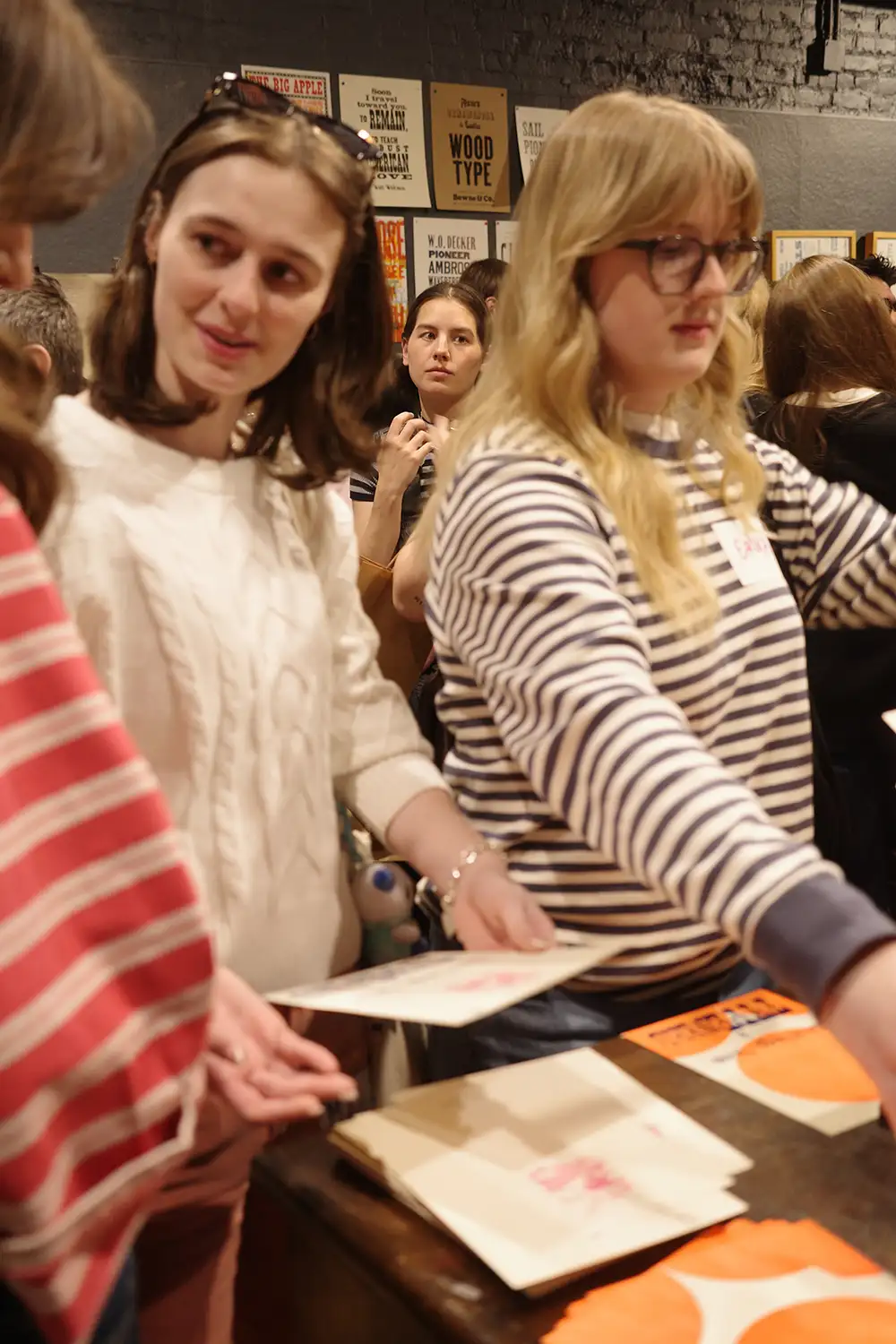
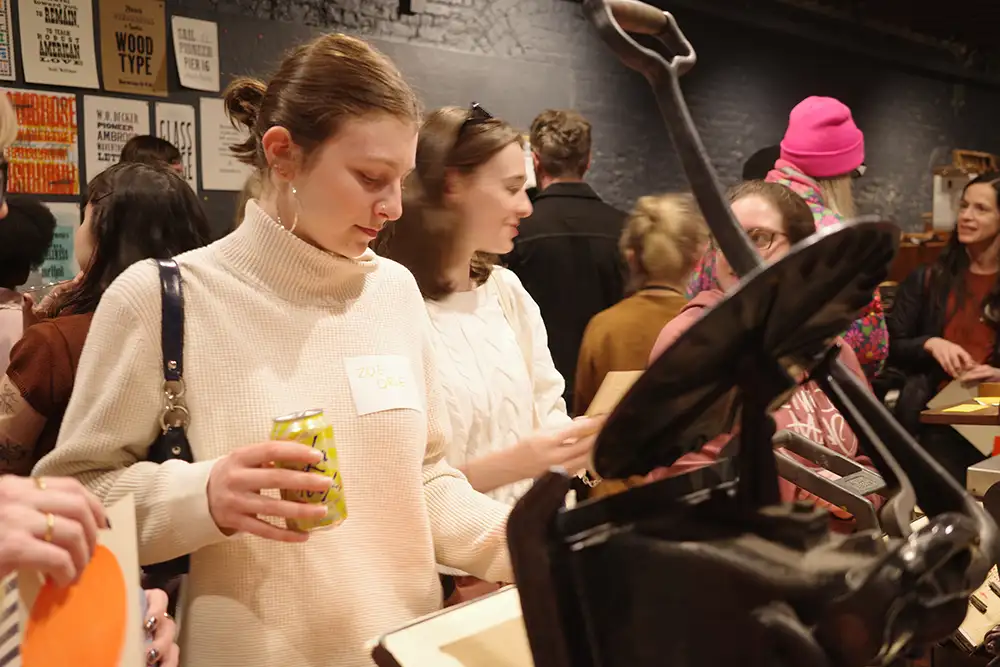
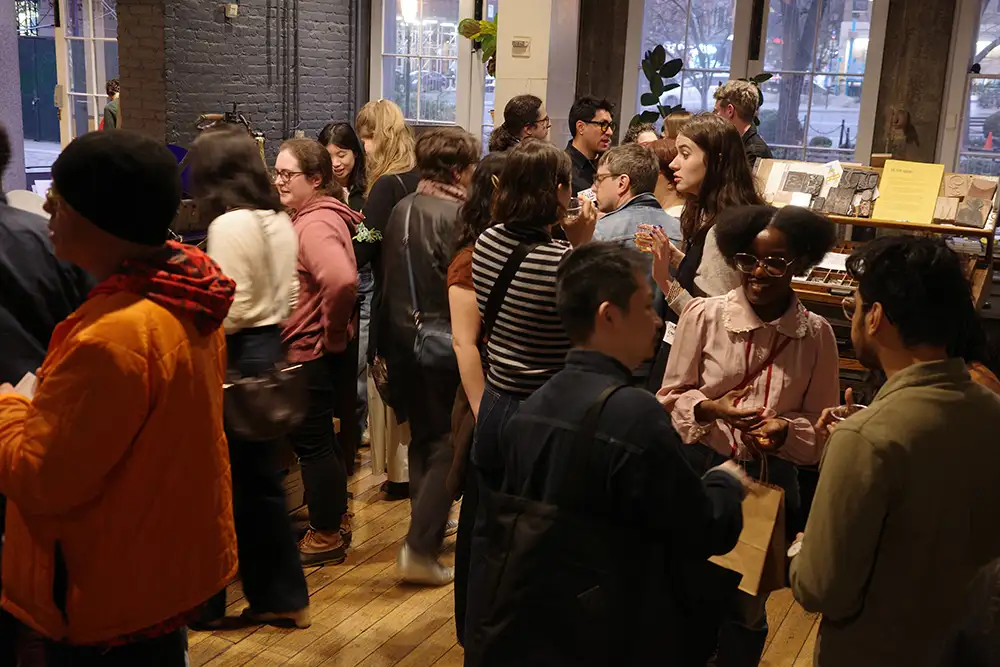
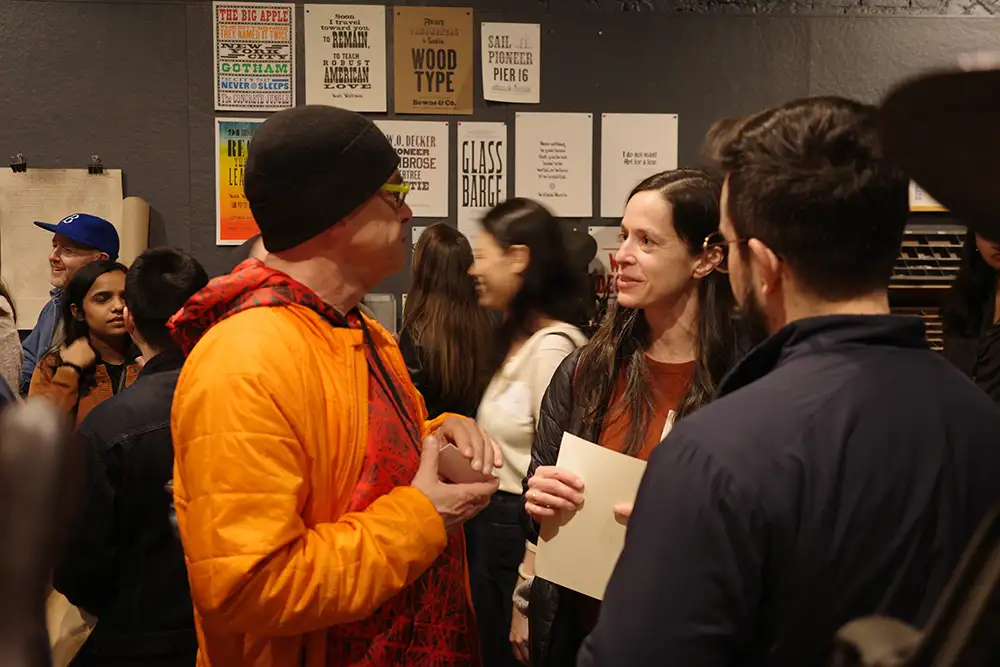
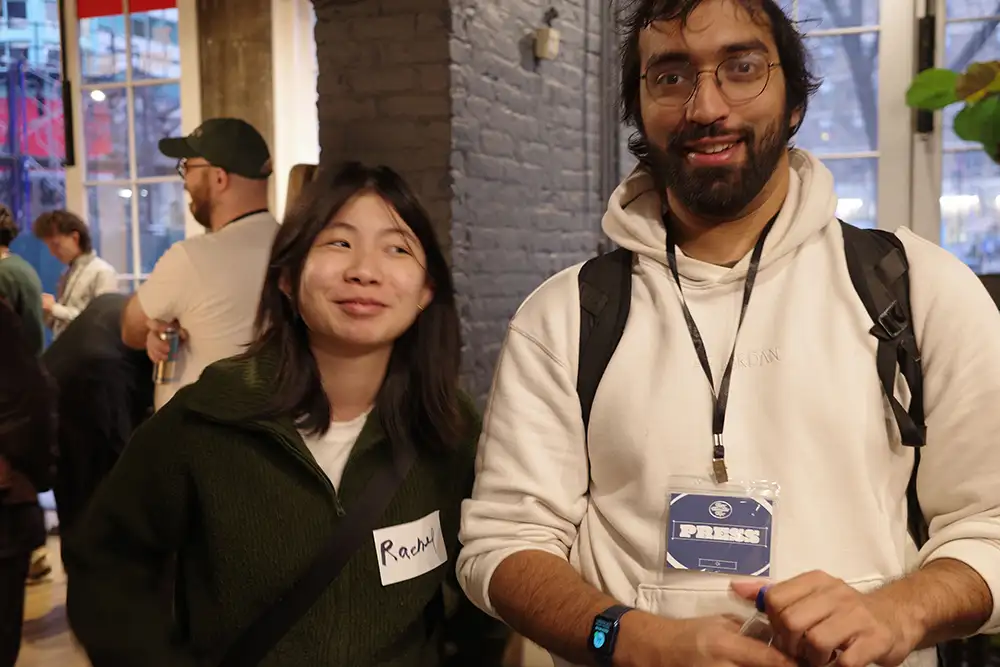
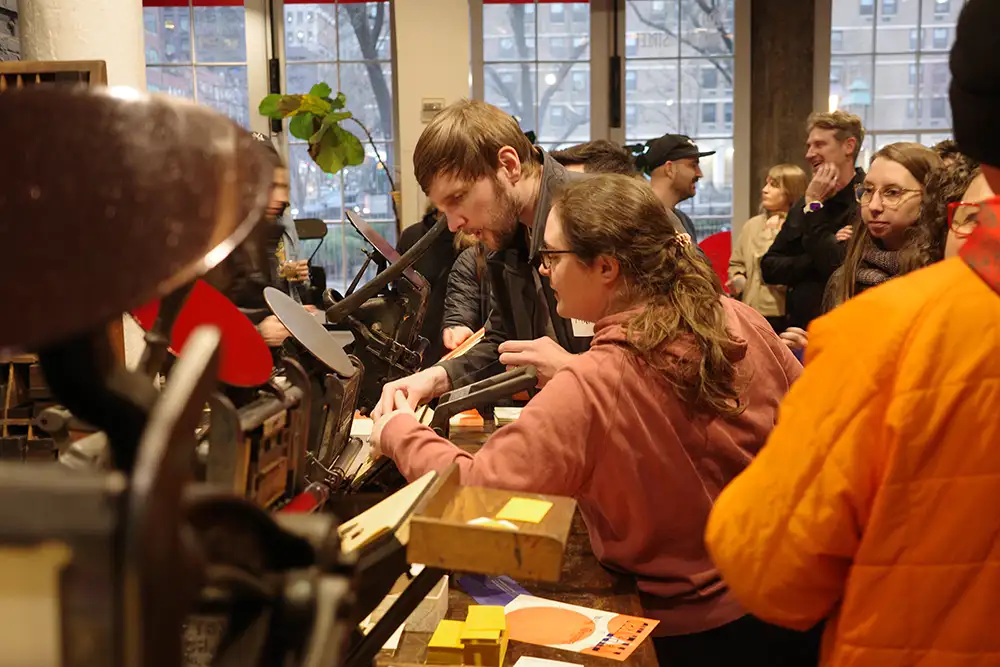
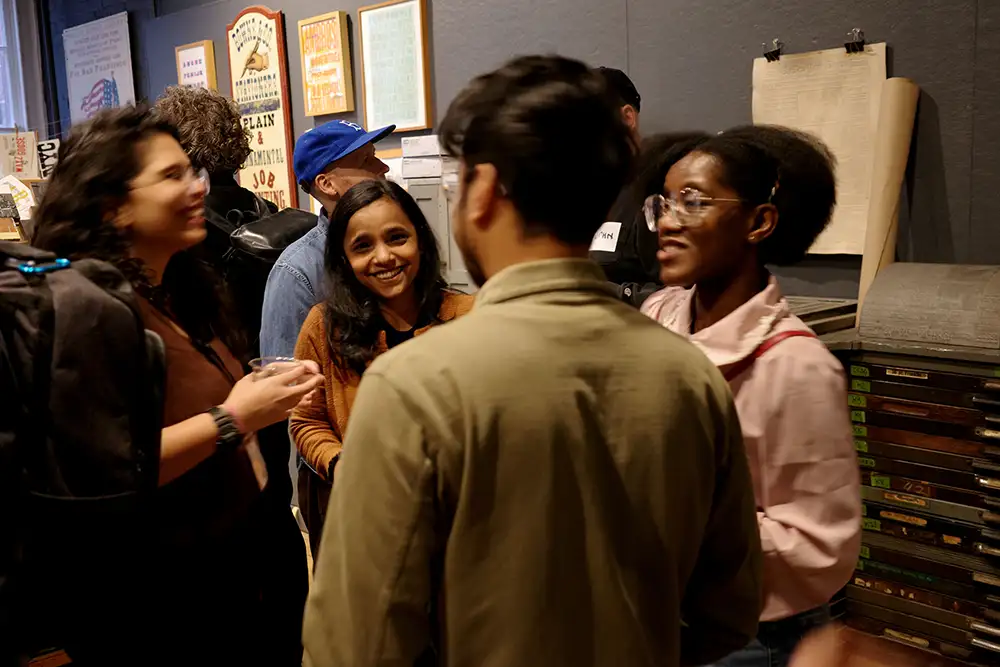
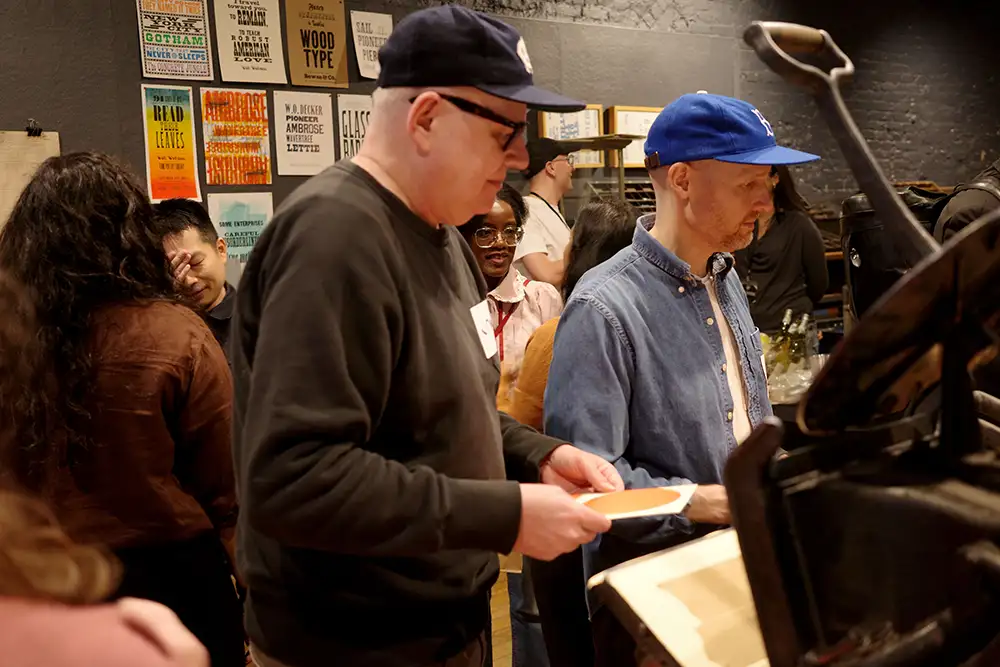
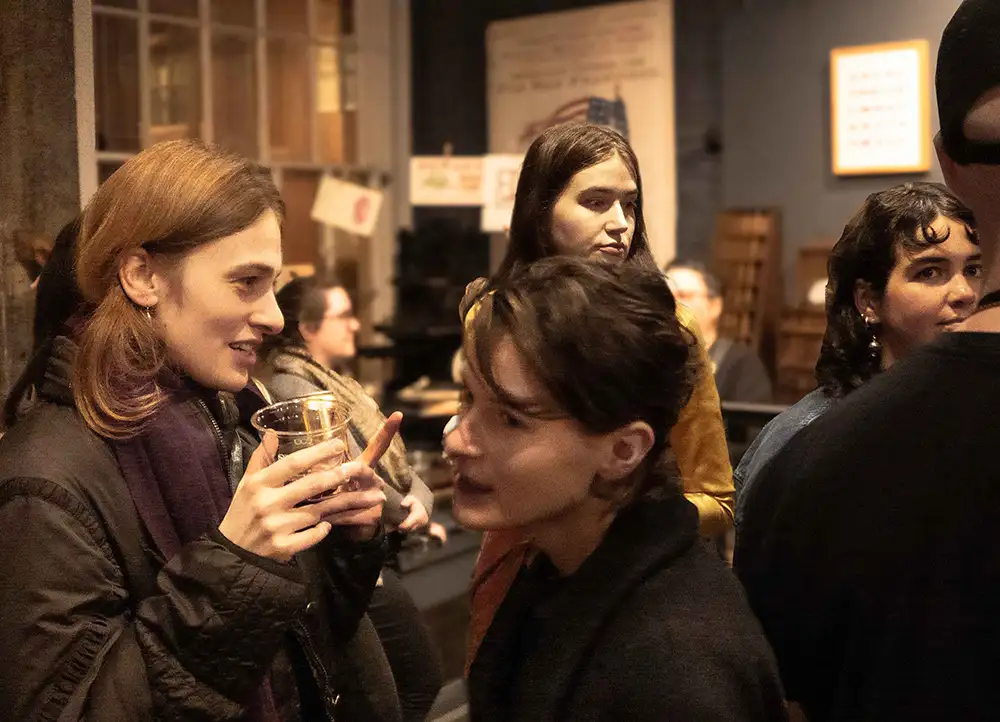
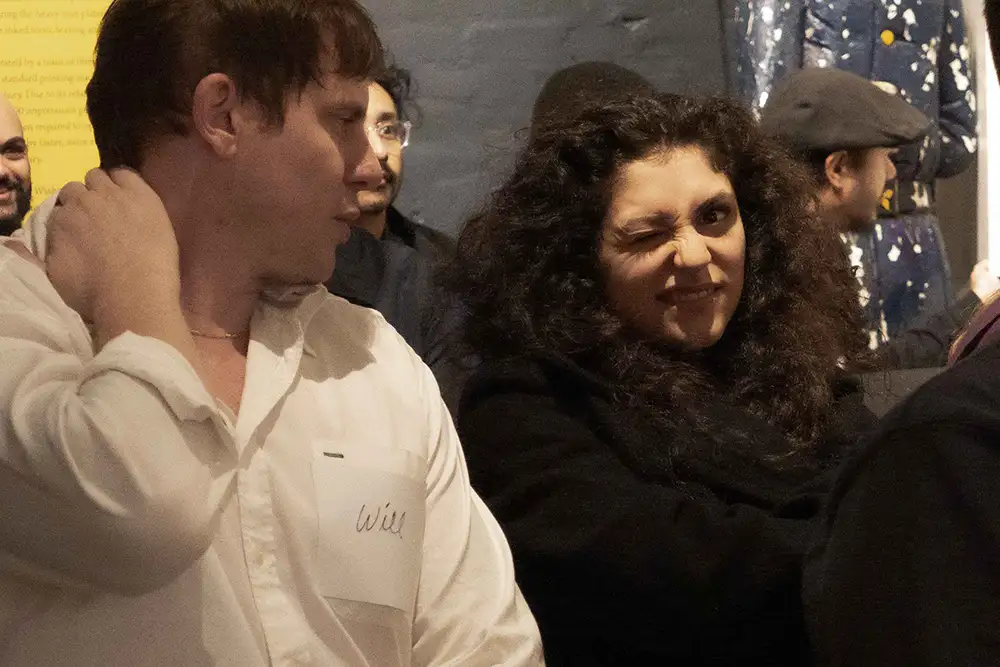
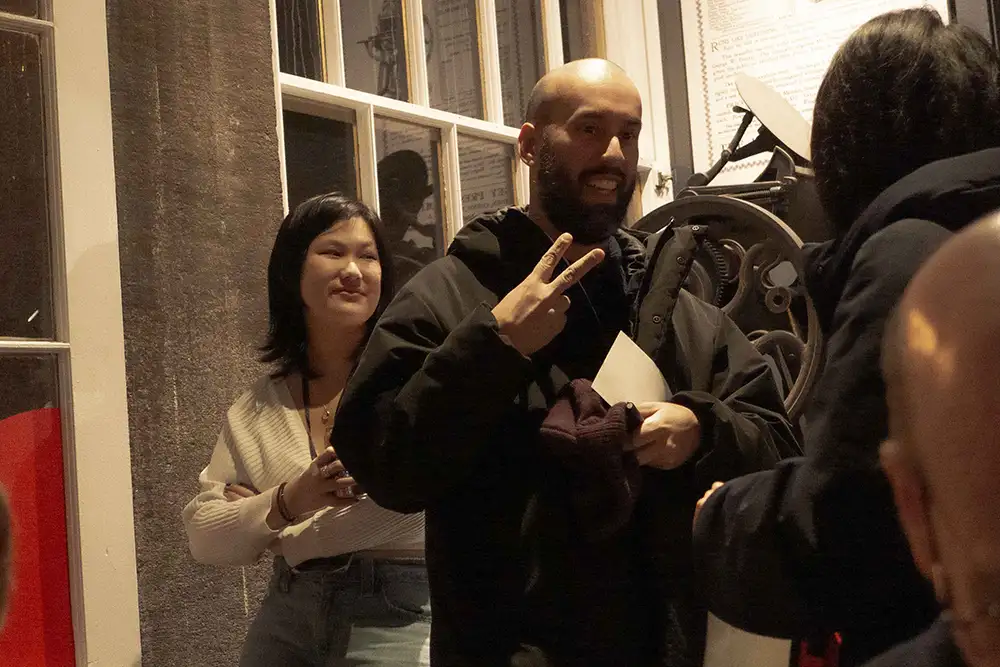
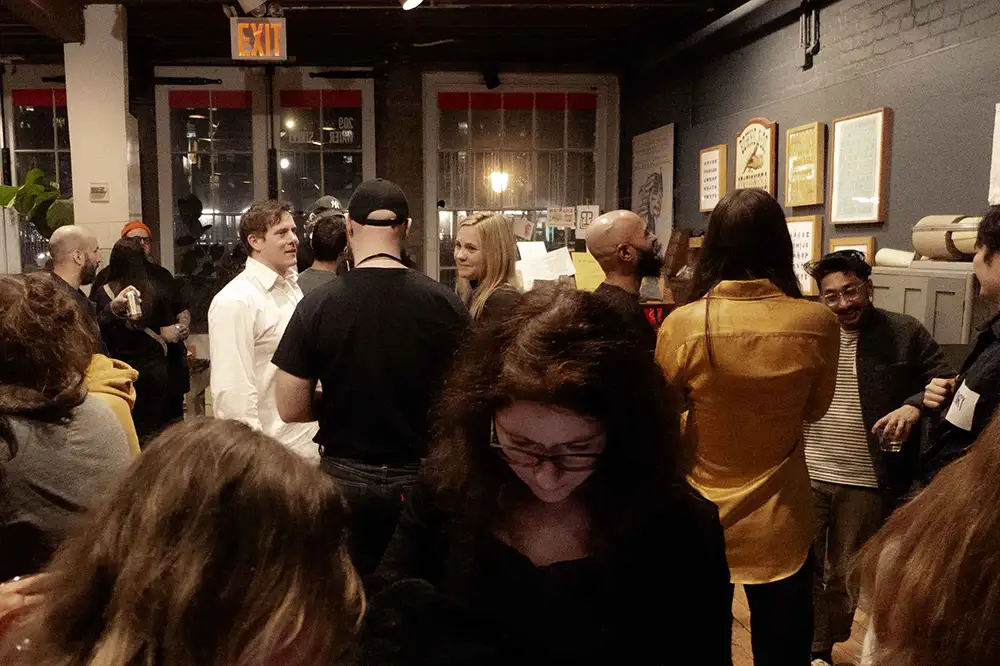
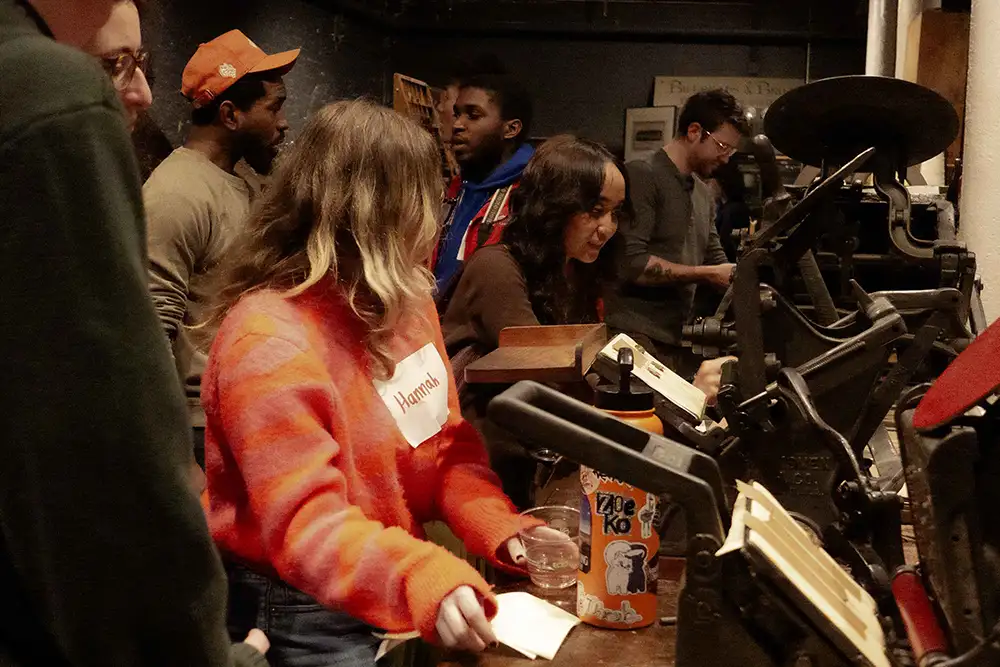
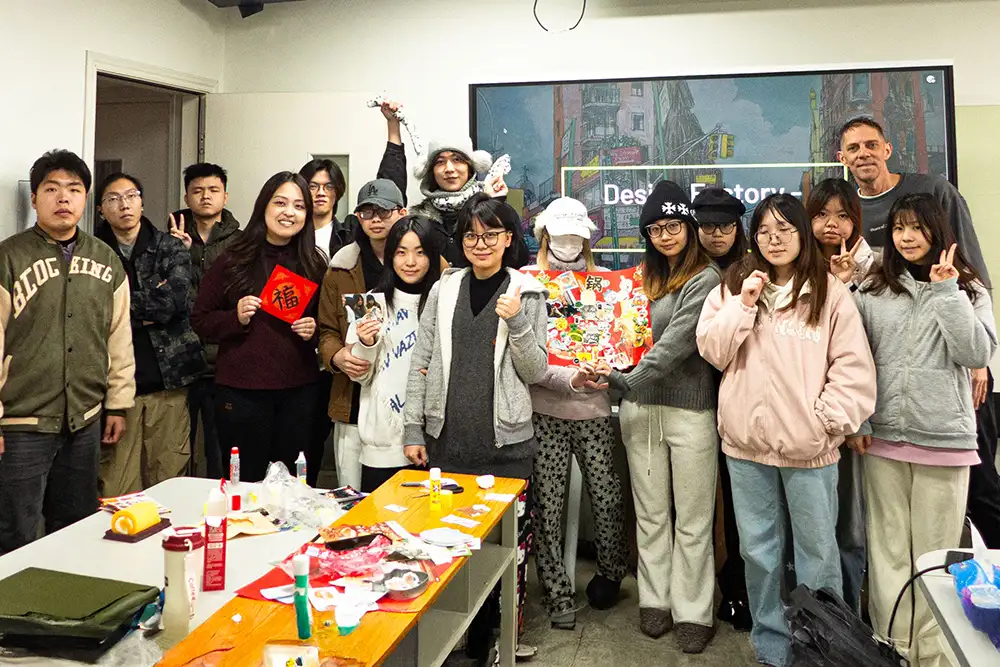
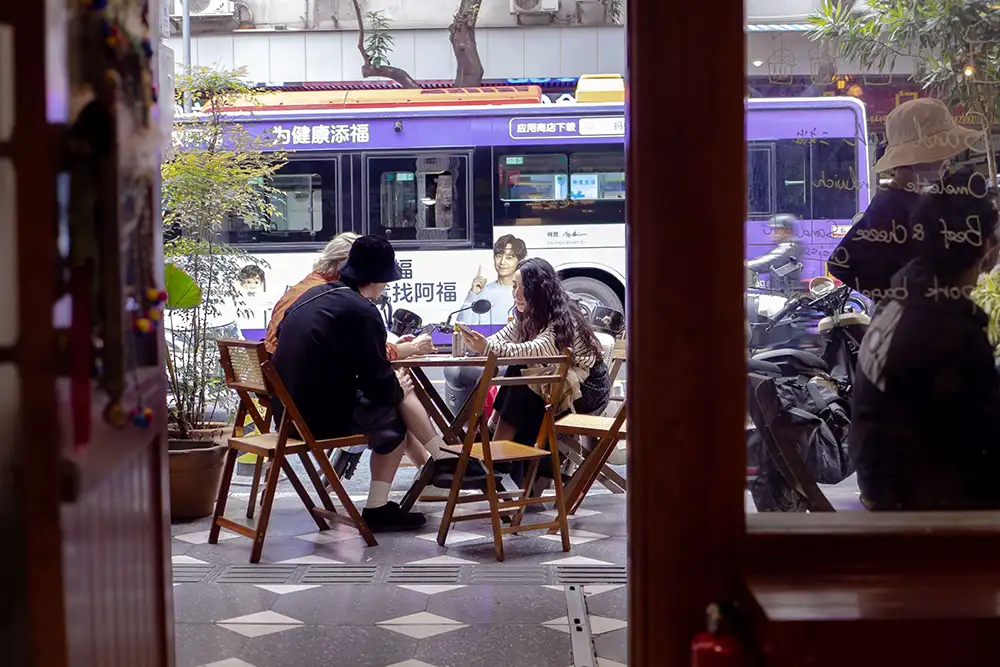
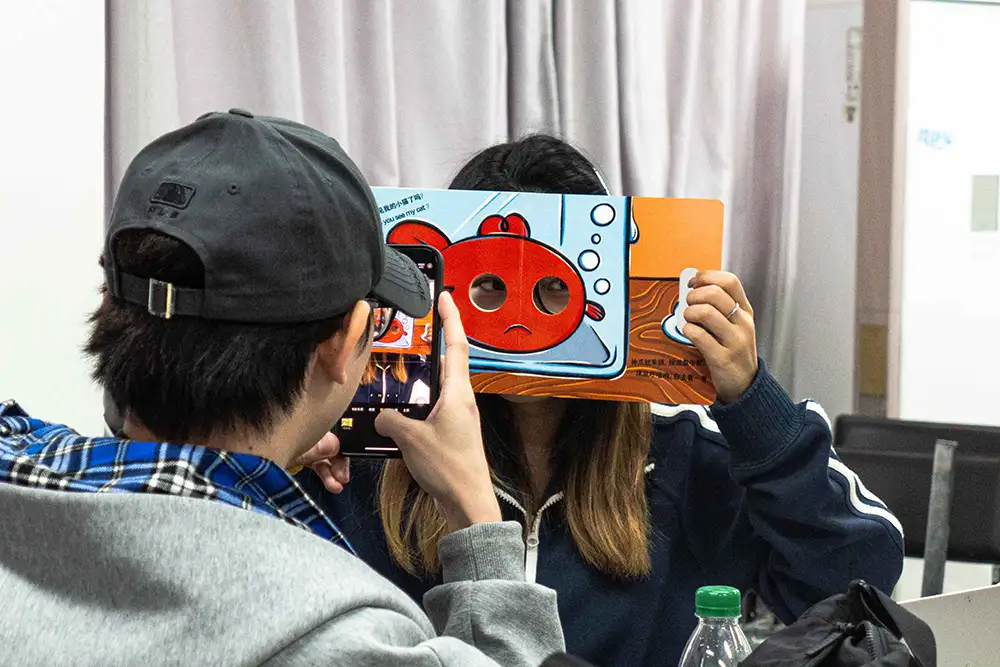
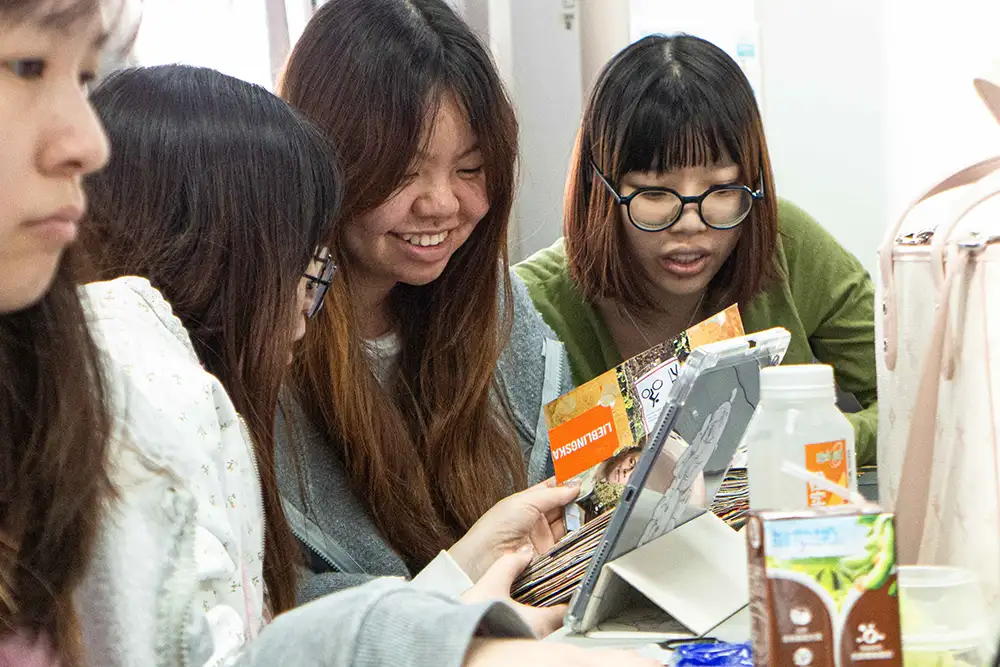
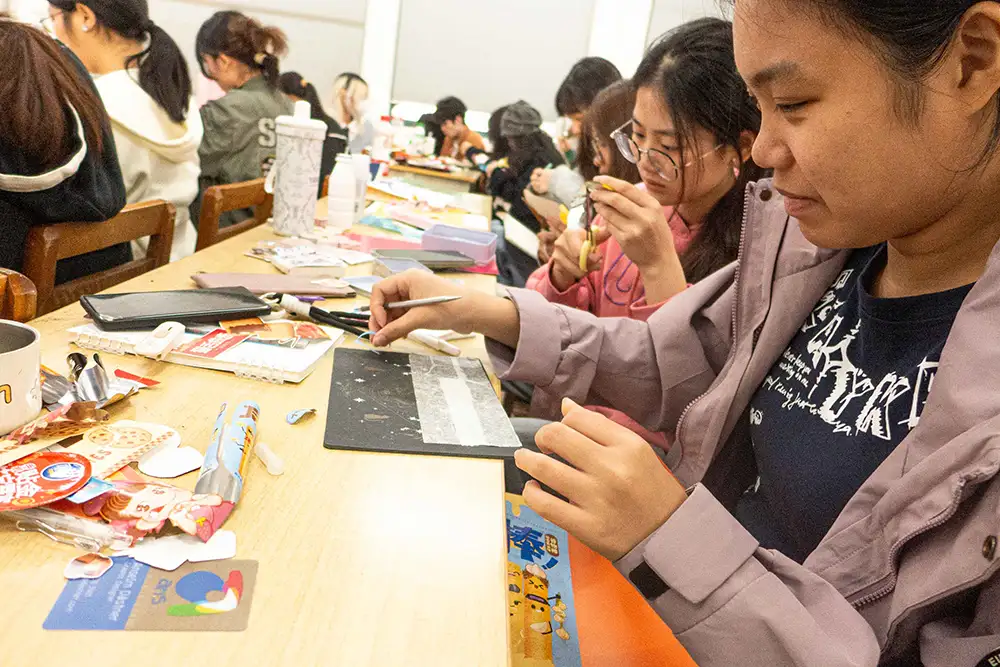
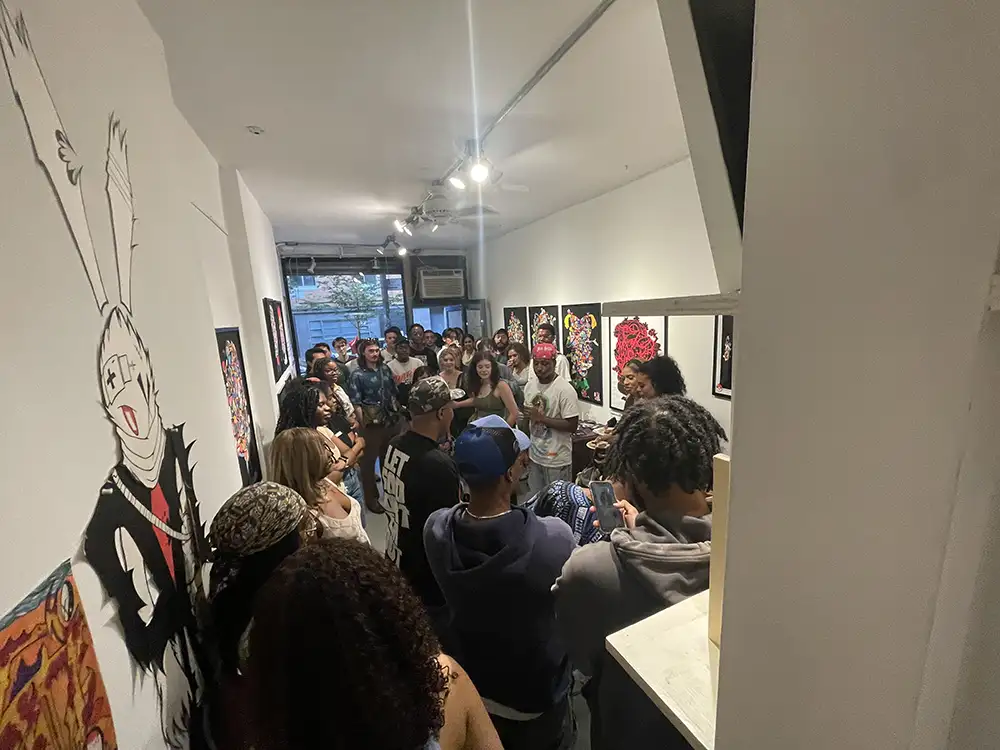
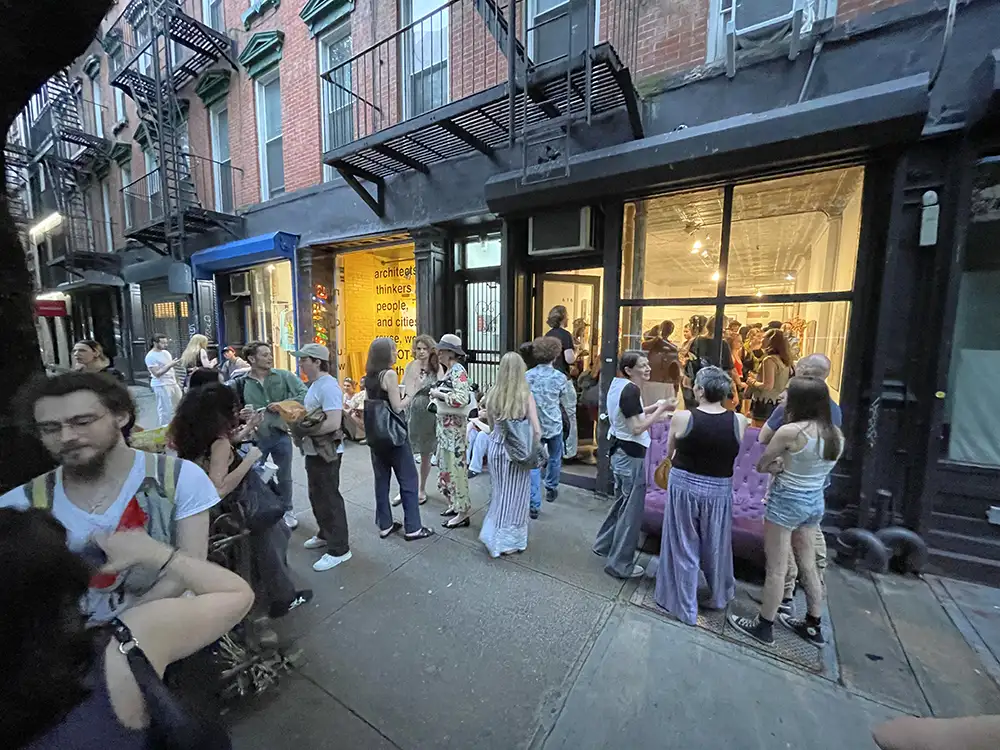
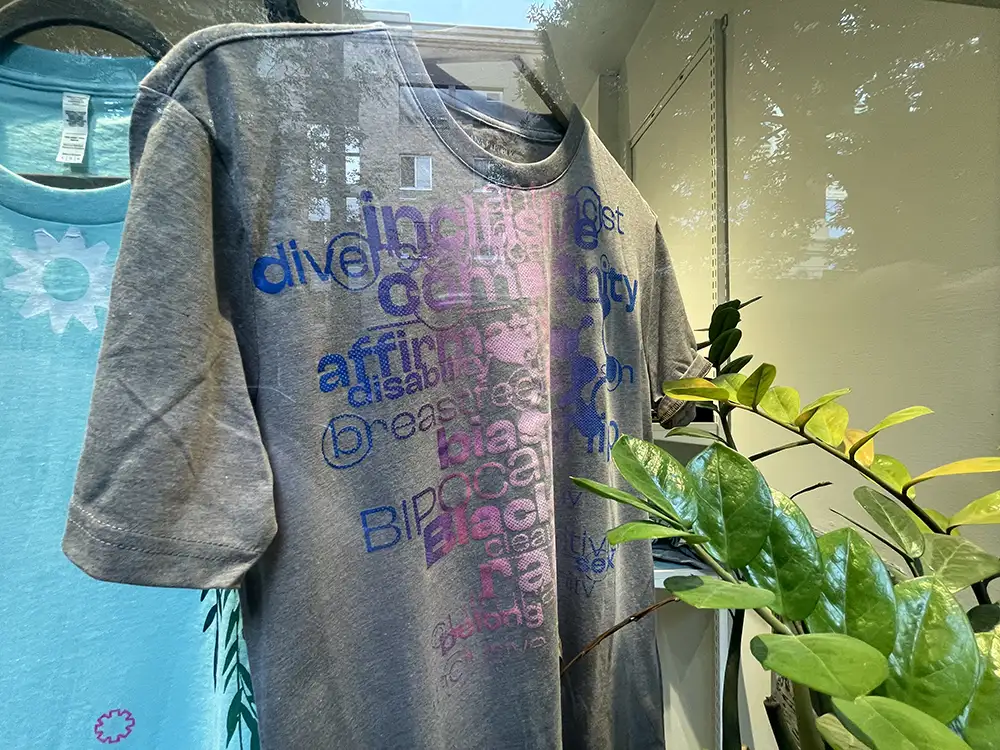
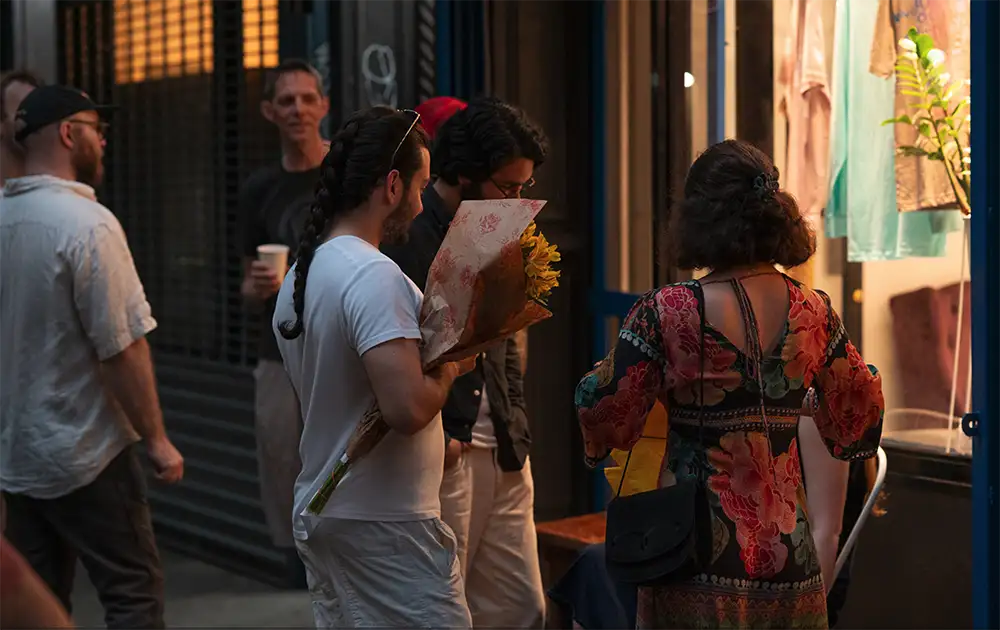
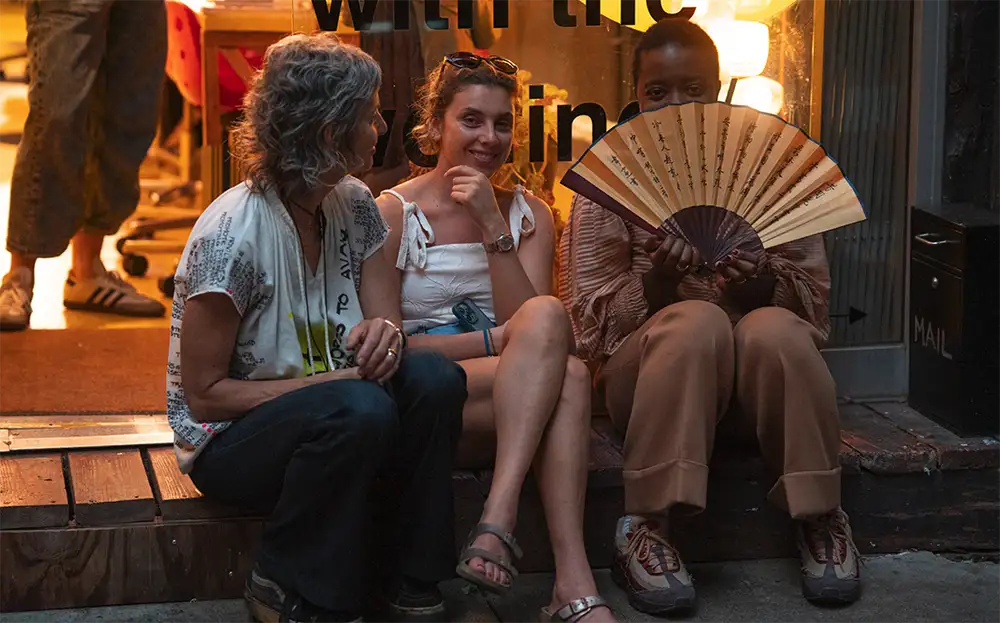
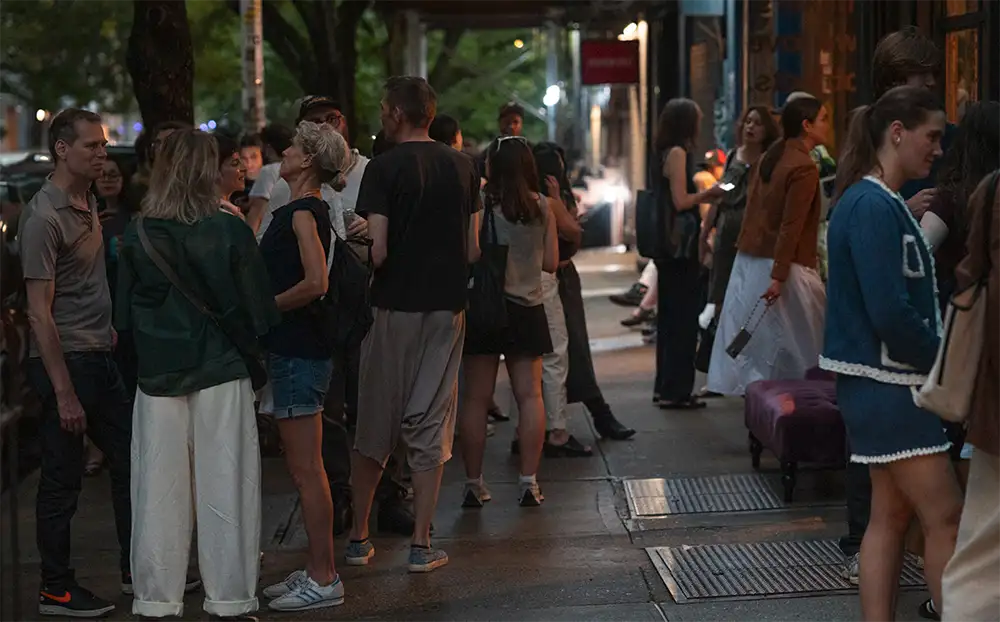
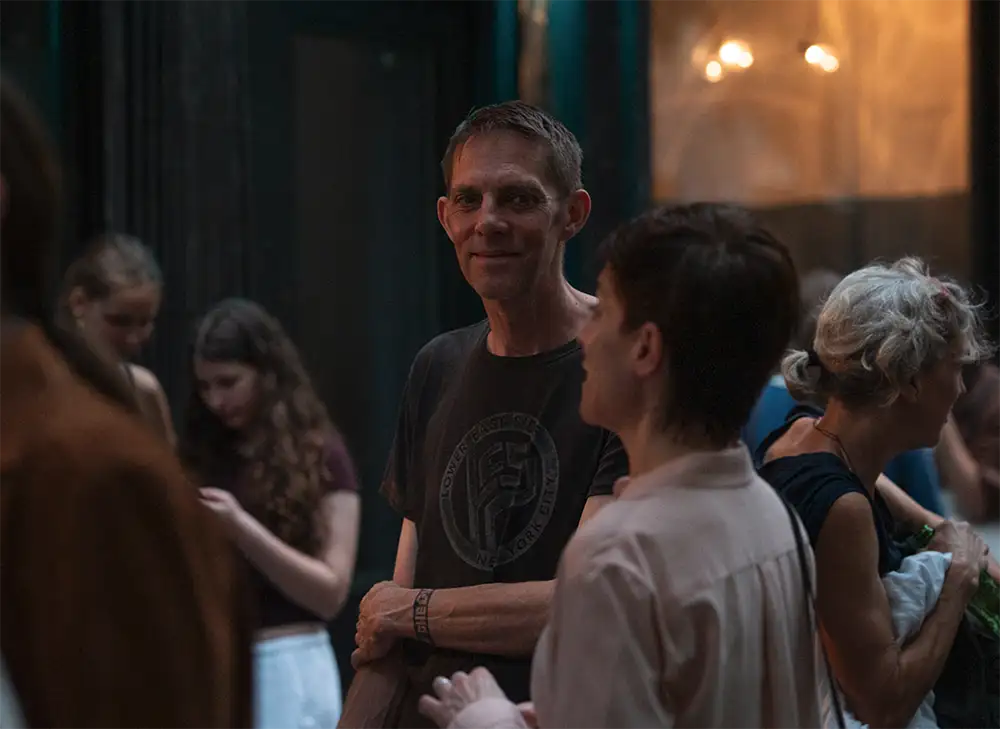
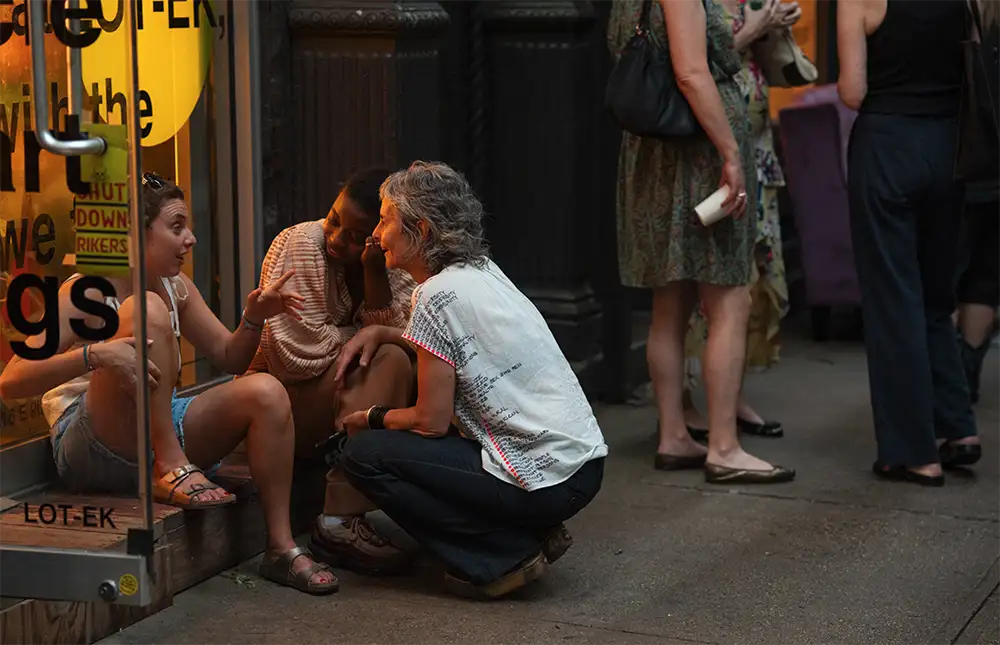
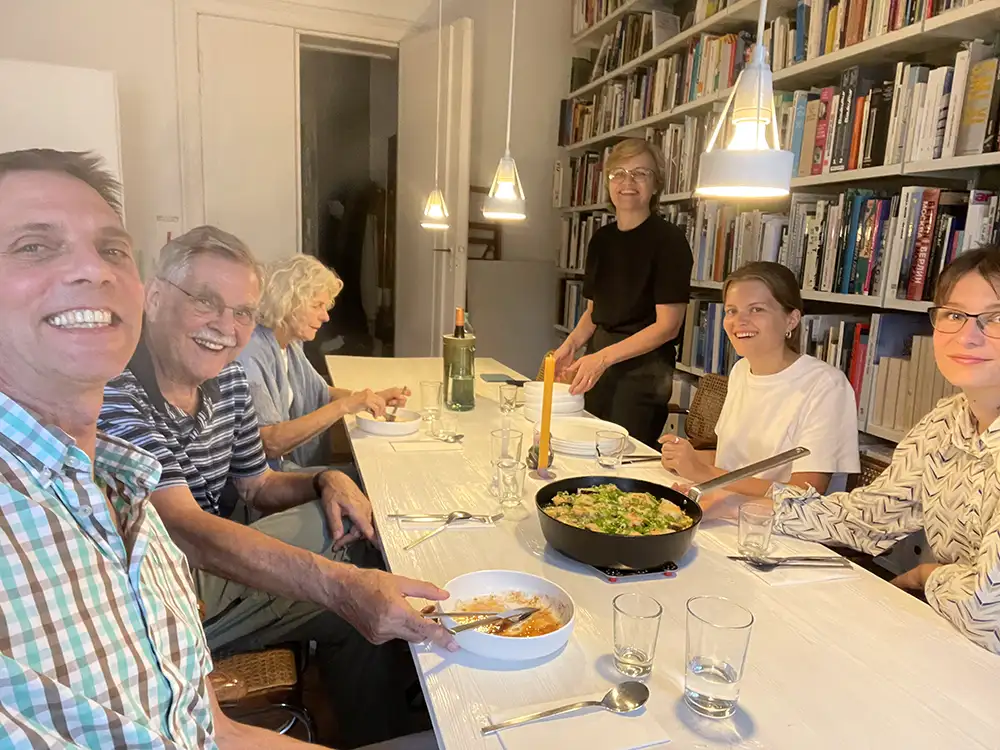
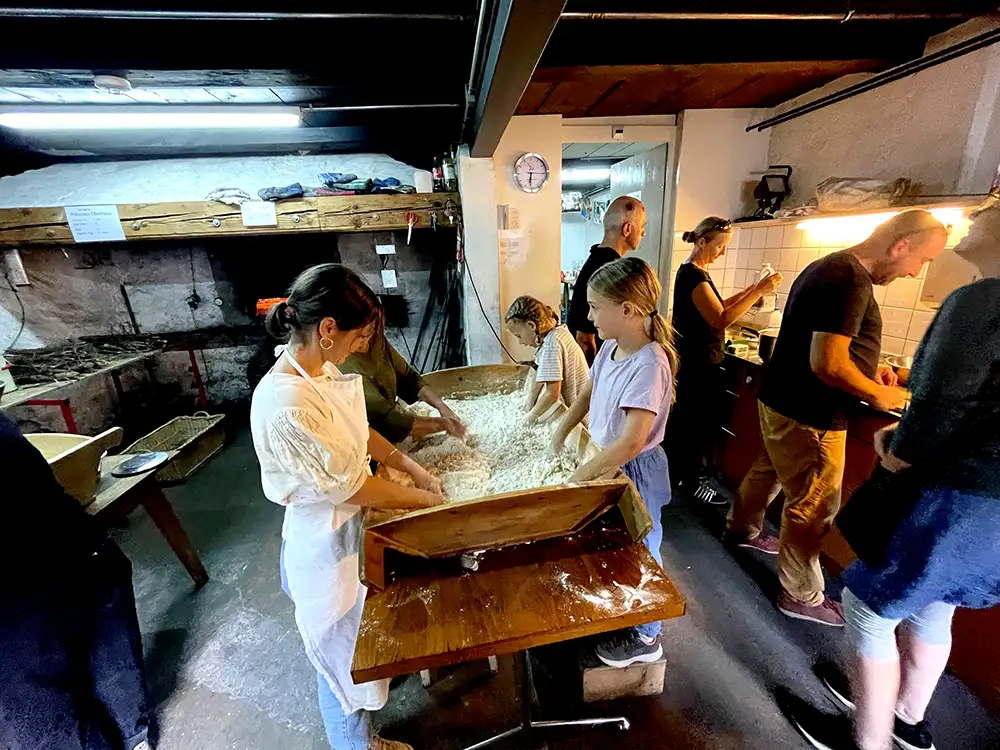
And of course we always work in groups and teams. You can hear us and my neighbors say, “We are living our dreams.” The studio has plenty of space for it: a silk-screen setup, embroidery machines, a scanner, printers, a large reference library, all kinds of paint, an industrial sink. We organize workshops here. I rent out the front store area to pop-up galleries and up-and-coming fashion labels, book launches, cheese tastings, and engagement proposals.
Arts vs. artisan, originals vs. reproductions are good reminders, and they spark innovation, creativity, and grander visions, but those discussions happen in any creation. In Graphic Design, we get giddy when we can find reasons, and the best reason wins the layout. We can try to never be just a cog in ‘Modern Times’. At its heart, it remains a deeply personal act of authorship.